In today’s fast-paced manufacturing landscape, companies are constantly under pressure to bring products to market faster without compromising quality. This is where CNC machining and rapid prototyping play a crucial role. Together, these technologies streamline the product development cycle, reduce risks, and improve overall efficiency.
From concept validation to full-scale production, combining these two manufacturing approaches enables businesses to stay competitive and innovative.
Understanding CNC Machining and Rapid Prototyping
Before exploring how they work together, it’s important to understand each process individually.
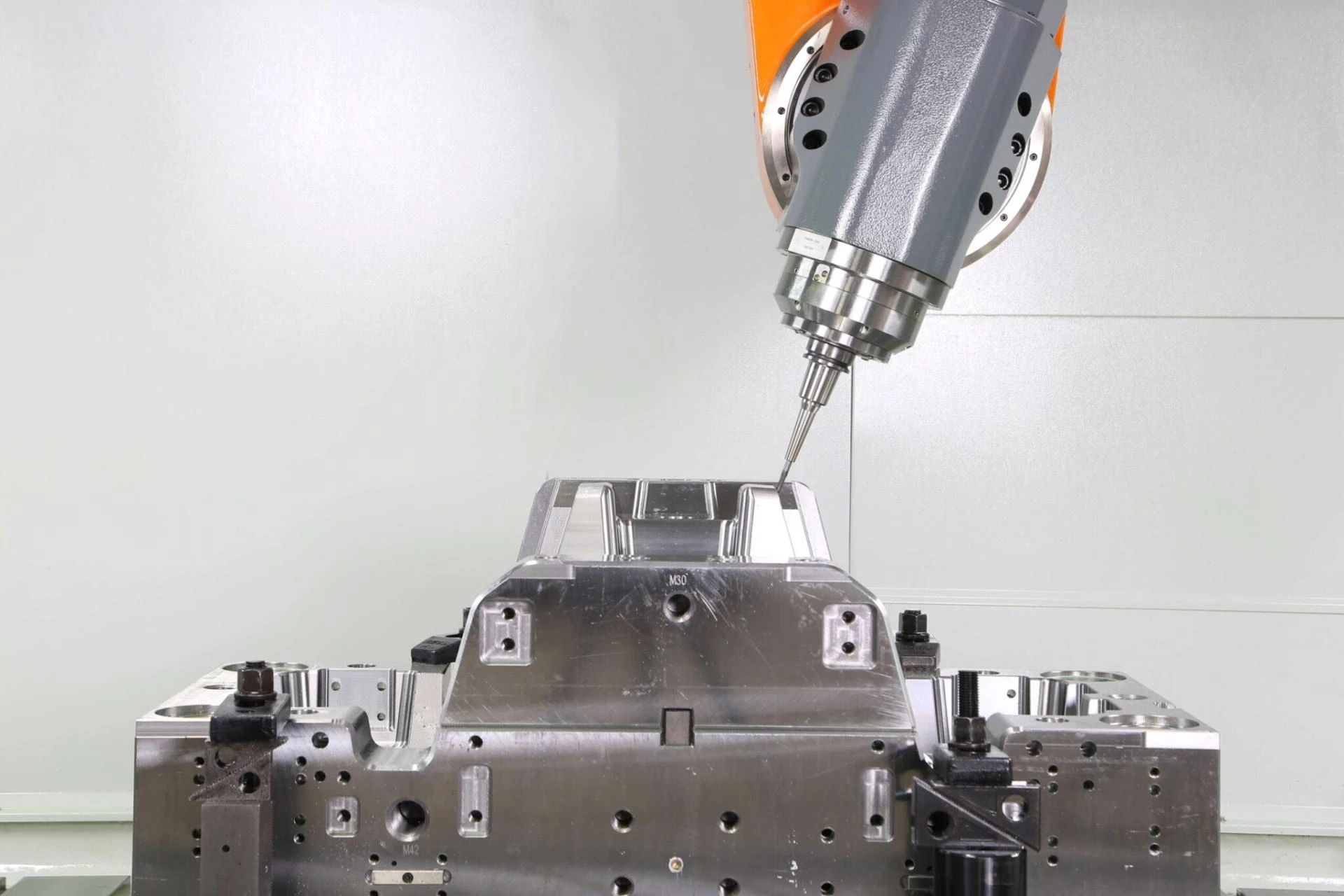
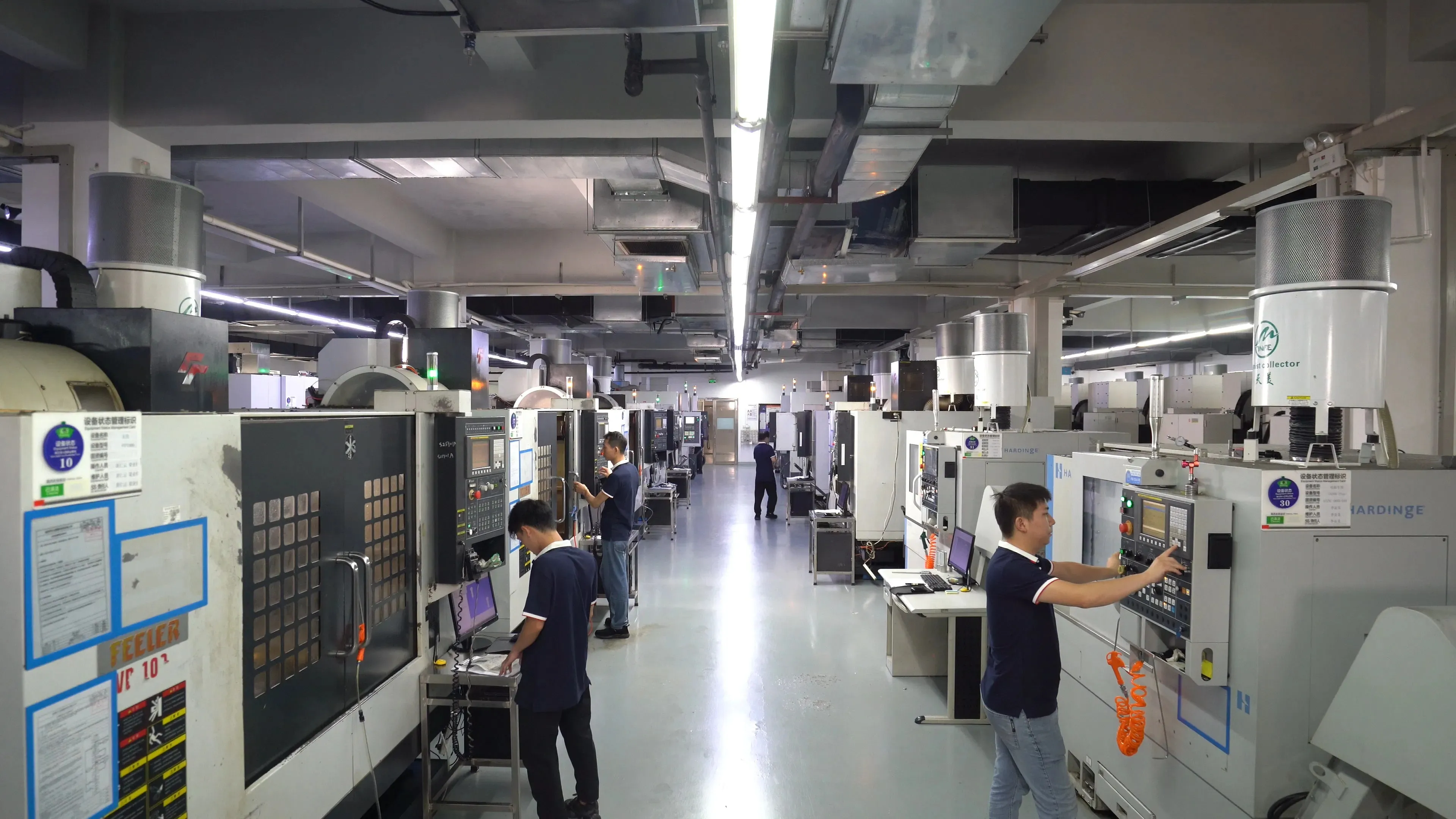
CNC machining services involve the use of computer-controlled machines to produce highly precise and complex parts from materials like metal and plastic. This method is ideal for achieving tight tolerances and consistent quality.
On the other hand, rapid prototyping services focus on quickly creating a physical model of a product using technologies such as 3D printing or CNC machining. This allows designers and engineers to test and refine their ideas before moving into production.
The Role of Rapid Prototyping in Early Product Development
Rapid prototyping is often the first step in turning an idea into reality. It allows manufacturers to:
- Validate design concepts quickly
- Identify design flaws early
- Reduce costly errors in later stages
- Improve communication between teams
By creating a tangible version of a product, businesses can make faster and more informed decisions.
How CNC Machining Enhances Prototype Accuracy
While 3D printing is commonly used for prototyping, CNC machining takes prototypes to the next level by offering:
- High precision and tight tolerances
- Real material testing (metal or production-grade plastics)
- Superior surface finish
- Functional testing capabilities
This makes CNC machining an essential step when transitioning from a basic prototype to a production-ready design.
From Prototype to Production: A Seamless Workflow
One of the biggest advantages of combining CNC machining and rapid prototyping is the smooth transition from prototype to production.
Here’s how the process typically works:
- Concept Design – Initial ideas are developed into CAD models
- Rapid Prototyping – Quick prototypes are created for testing and validation
- Design Refinement – Adjustments are made based on feedback
- CNC Machining – High-precision parts are manufactured for final testing
- Production – Scalable manufacturing begins
This integrated approach significantly reduces development time and ensures a more efficient workflow.
Benefits of Combining CNC Machining and Rapid Prototyping
1. Faster Time-to-Market
By accelerating design validation and production readiness, businesses can launch products more quickly.
2. Cost Efficiency
Early detection of design flaws minimizes expensive rework and material waste.
3. Improved Product Quality
Using CNC machining for functional prototypes ensures that the final product meets performance standards.
4. Flexibility in Design
Rapid prototyping allows for quick iterations, enabling teams to experiment and innovate freely.
5. Better Decision-Making
Physical prototypes provide real-world insights that digital models alone cannot offer.
Applications Across Industries
The combination of CNC machining and rapid prototyping is widely used across industries such as:
- Automotive
- Aerospace
- Medical devices
- Consumer electronics
- Industrial equipment
These industries rely on precision, speed, and reliability—making this approach essential for modern manufacturing.
Choosing the Right Manufacturing Partner
To fully leverage the benefits of CNC machining and rapid prototyping, it’s important to work with a manufacturing partner that offers:
- Advanced CNC machining capabilities (including 5-axis machining)
- Comprehensive prototyping solutions
- Material expertise
- Surface finishing options
- End-to-end production support
A reliable partner ensures consistency, quality, and efficiency throughout the product lifecycle.
Conclusion
The integration of CNC machining and rapid prototyping has transformed the way products are developed. By combining speed with precision, manufacturers can reduce development cycles, lower costs, and deliver high-quality products to market faster.
With advanced capabilities in CNC machining, rapid prototyping, and end-to-end manufacturing solutions, Rapidcision supports businesses in accelerating their product development journey and achieving consistent, high-quality results.

























Sign in to leave a comment.