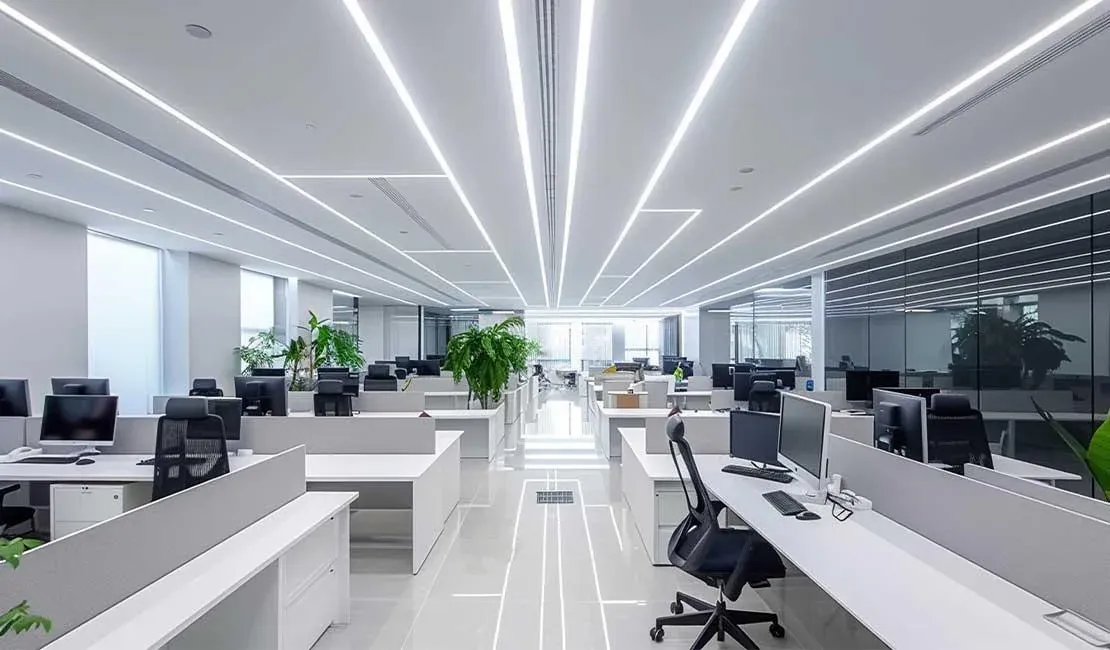

When you enter any space, you form an opinion in a split second. This feeling will ensure that you remain there or exit immediately. A good number of businesses are faced with the challenge of establishing that instant connection.
A certain type of design becomes indispensable for a greater connection to be established, since the customer is not truly a willing party to return; the employees do not have much attachment because the space is not impressive enough.
This guide seeks to address how commercial interior design aids in fortifying brand identity, impacting perception, and hence motivating engagement.
What Is Commercial Interior Design?
At its core, commercial interior design focuses on designing spaces for businesses. The design work includes creating offices, retail shops, hotels and other spaces. The design process goes beyond visual appeal because it combines functional requirements with brand identity elements and user needs.
How It Differs from Residential Design
While home design focuses on comfort and personal taste, commercial design serves a wider goal:
- Reflect the brand clearly
- Support business operations
- Influence customer behaviour
Because of this, every detail matters—from layout to lighting.
Why Brand Identity Matters in Physical Spaces
Your brand extends beyond your logo. Your brand exists through the experiences which people have when they interact with your company.
First Impressions Are Fast and Lasting
A space which contains too much clutter or lacks visual interest creates an incorrect impression of the environment. A space which designers have created with proper design principles establishes trust with visitors in an instant.
Consistency Builds Recognition
When your space matches your brand voice, it becomes memorable.
For example:
- A tech brand may use clean lines and modern finishes
- A luxury brand may lean towards rich textures and soft lighting
Consistency across touchpoints strengthens recall.
How Commercial Interior Design Boosts Brand Identity
This is where design becomes a powerful tool.
1. Visual Storytelling Through Design
Every colour, material, and shape tells a story.
For instance:
- Bold colours can signal energy and innovation
- Neutral tones can reflect calm and professionalism
When used well, these elements create a clear brand message without words.
2. Layout That Reflects Brand Values
Space planning is not random. It reflects how your brand operates.
Consider this:
- Open layouts suggest transparency and collaboration
- Private cabins may signal focus and structure
Therefore, layout choices should align with your brand values.
3. Sensory Experience Shapes Memory
People remember how a place feels, not just how it looks.
A strong corporate interior design strategy includes:
- Lighting that sets the mood
- Materials that feel premium or warm
- Acoustics that reduce noise
Together, these create a lasting impression.
4. Branded Elements Reinforce Identity
Subtle branding works best.
Instead of loud logos everywhere, focus on:
- Brand colours in furniture or walls
- Custom fixtures that reflect brand style
- Graphics or artwork tied to your story
This keeps the space authentic, not forced.
Key Design Elements That Build Brand Identity
Here are the main elements to get right in any commercial interior design project:
Signage and Wayfinding
Your logo, brand colours, and brand messages must display throughout the entire area. The design needs to show presence without creating an excessive presence.
Lighting
Warm lighting creates intimate spaces. Bright, cool lighting creates an atmosphere for work. The correct option for your brand requires specific business characteristics to be evaluated.
Furniture and Layout
Open-plan spaces promote open communication between employees who work in teams. The business environment requires confidential work through its executive office design, which creates controlled spaces.
Scent and Sound
The luxury industry discovers through its research that background music and scent create emotional connections which people do not notice. Your space establishes a sensory identity which exists regardless of your design decisions.
Common Mistakes Businesses Make
Many businesses invest in design but miss the bigger picture. As a result, the space looks good but fails to support the brand or user experience.
- Designing without a clear brief: Many teams jump into colours, furniture, and layouts too soon. However, without defining how the space should feel, the result lacks direction and purpose.
- Ignoring the customer journey: Businesses often focus only on the entrance. Yet every touchpoint—from reception to meeting rooms—should reflect the brand and create a consistent experience.
- Following trends instead of brand identity: Trends change quickly. If your design relies on what is popular, it will feel outdated soon. Strong commercial interior design stays rooted in your brand values.
- Overlooking functionality: A space may look stunning, but still fail in daily use. Poor layouts, lack of storage, or uncomfortable furniture can reduce both efficiency and satisfaction.
How to Start Thinking About Your Space Strategically
You don't need a complete renovation to make progress. Start with these questions:
- What three words do you want customers to use to describe your brand?
- Do people in your space experience the emotions which your business wants to create?
- Which customer journey points show the greatest disconnect between expectations and actual experiences?
You can establish your priorities after you identify all existing gaps.
Working With a Commercial Interior Designer
The investment becomes valuable when you work with a commercial interior design expert because you are prepared to engage in serious work.
A good designer goes beyond creating attractive designs because they need to understand your brand identity, together with your target audience and your business objectives. They transform strategic plans into physical environments. The team helps you prevent expensive errors while developing a workspace that continues to benefit your company after project completion.
Designers who begin their work with discussions about your brand values should be your target for selection. Designers who focus only on project budgets and timelines during their initial meeting show they view the project as a design task instead of a brand development project.
Conclusion
Your space continuously sends out messages to others. The only question is whether you're in control of the message. Through commercial interior design, you gain complete authority over your space, which transforms into a permanent branding asset that benefits your business operations.
Start your project with brand values, which should guide every choice you make, whether you are redesigning one room or an entire office space. Businesses that achieve this goal establish a positive public image while developing strong customer loyalty, attracting high-quality clients and building employee pride in their workplace.
FAQs
What is commercial interior design?
The process of commercial interior design establishes design standards for business spaces, which include offices, retail stores, and hospitality venues, and all spaces used by brands to connect with their customers and employees.
How does interior design affect brand identity?
Interior design elements, such as colour and material selection, spatial arrangement and sensory elements, create brand perceptions which customers and employees experience. A well-designed space reinforces brand values, builds trust, and creates consistent impressions across every interaction.
What is the difference between commercial and corporate interior design?
The term commercial interior design describes all designs which architects create for business environments. Corporate interior design refers more specifically to office and workplace environments for companies.
How much does commercial interior design cost?
The project expenses depend on three factors, which include space dimensions and fit-out requirements, and designer expertise. The project starts at a few thousand pounds for small refurbishments, while full commercial fit-outs for larger spaces can run into the hundreds of thousands.
How do I choose the right commercial interior designer?
A designer should possess industry experience, show project work which matches your needs, and begin their design process with brand development and strategic planning instead of aesthetic considerations.


























Sign in to leave a comment.