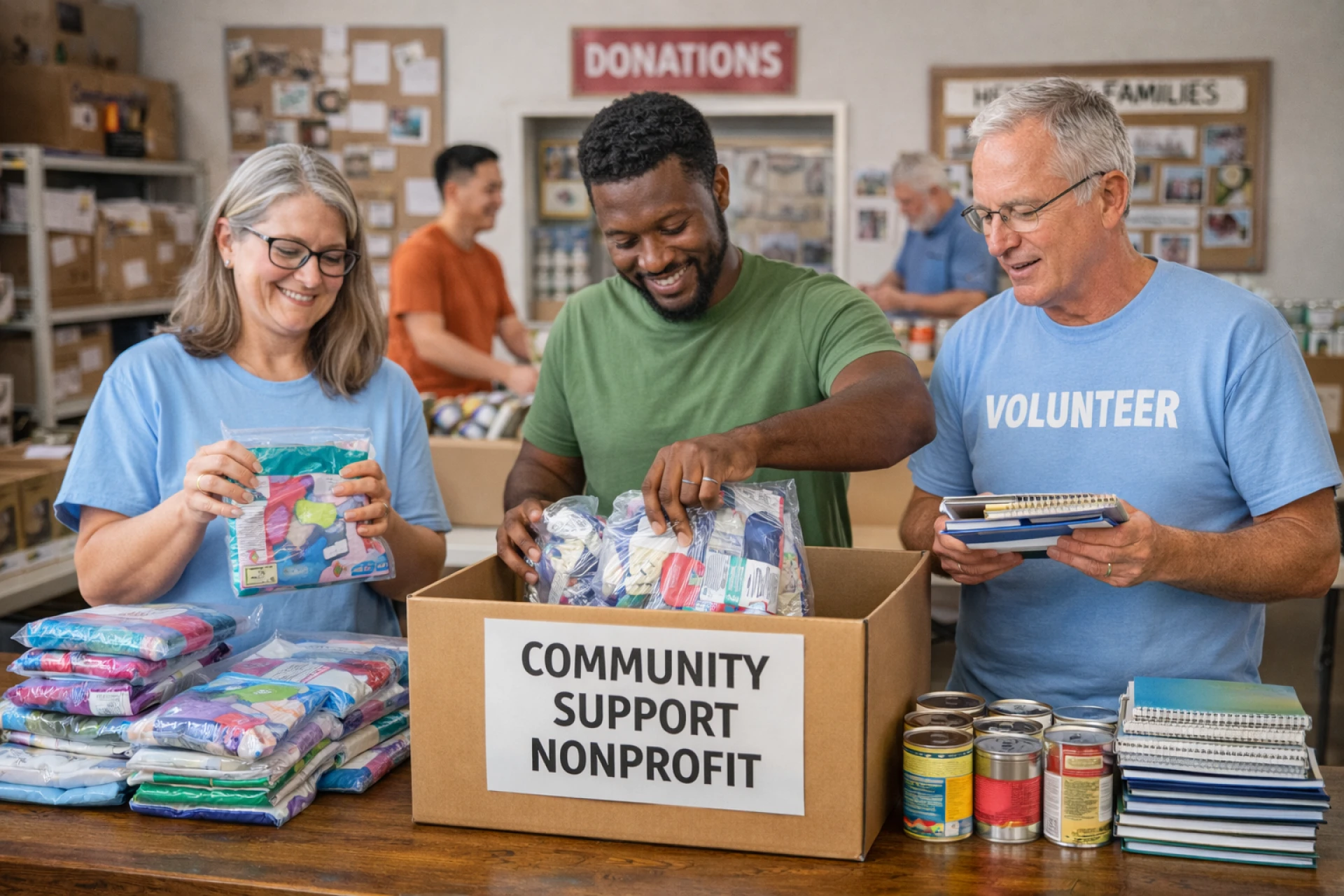

Communities are built by people who choose to care about one another. While policies, funding, and institutions all play important roles, lasting change often comes from everyday actions taken by individuals and organizations. Volunteering with a nonprofit and donating to nonprofits are two of the most effective ways people contribute to stronger, healthier communities. Together, these actions create support systems that help families meet basic needs, protect dignity, and build stability over time.
Across different regions and cultures, the core challenges facing communities are often similar. Families may struggle to access essentials. Children may face barriers that affect their confidence and ability to learn. Community support nonprofit organizations step in to address these gaps, not as temporary fixes, but as partners working alongside the people they serve.
The Meaning of Volunteering With a Nonprofit
Volunteering with a nonprofit goes beyond lending a hand for a few hours. It is an invitation to become part of a mission that exists to serve others. Nonprofits create volunteer roles that support real needs, whether that involves packing supplies, organizing donations, assisting with outreach, or providing behind the scenes support.
For many people, volunteering is the first step toward deeper community involvement. It transforms concern into action. When volunteers show up consistently, they help nonprofits operate more effectively and reach more families. Each task completed contributes to a larger system designed to deliver care and resources where they are needed most.
Volunteering also builds understanding. People who volunteer with a nonprofit gain insight into the challenges faced by families and children in their own communities. This firsthand experience fosters empathy and often inspires continued involvement, whether through advocacy, donations, or ongoing service.
From the nonprofit perspective, volunteers are essential. They extend the organization’s capacity and allow limited resources to go further. Strong volunteer engagement helps nonprofits remain flexible and responsive, especially during periods of increased demand.
Why Community Support Nonprofit Organizations Matter
Community support nonprofit organizations exist to strengthen the fabric of local and global communities. They focus on meeting basic needs while also addressing long term well being. These organizations operate close to the people they serve, which allows them to respond thoughtfully and with care.
A community support nonprofit does more than distribute resources. It builds trust. By showing up consistently and listening to community needs, nonprofits create relationships that support lasting impact. Families are more likely to seek help when they feel respected and understood.
These organizations also act as connectors. They bring together volunteers, donors, businesses, and community members around shared goals. This collaboration creates networks of support that extend beyond any single program or event.
When communities invest in strong nonprofit organizations, they invest in resilience. Nonprofits often serve as anchors during times of crisis, adapting quickly to meet changing needs. Their presence helps ensure that vulnerable populations are not left behind.
The Role of Donating to Nonprofits
Donating to nonprofits is a critical part of sustaining community support systems. Donations provide the resources needed to run programs, purchase supplies, and plan for the future. Whether financial or in kind, donations translate goodwill into tangible impact.
Many people associate donating to nonprofits primarily with money, but donations can take many forms. Essential items, time, skills, and services all contribute to nonprofit capacity. Each type of donation supports different aspects of the organization’s work.
For families and children, donations often mean access to basic necessities that support daily life. These resources help reduce stress and create stability. When basic needs are met, families can focus on education, health, and long term goals.
Donations also provide flexibility. They allow nonprofits to respond quickly to emerging needs without waiting for additional funding cycles. This responsiveness is especially important in times of economic uncertainty or community wide challenges.
How Volunteering and Donating Work Together
Volunteering with a nonprofit and donating to nonprofits are most effective when they work in tandem. Volunteers often help manage, organize, and distribute donated resources. Their time increases the value of every donation by ensuring it is used efficiently and respectfully.
This connection also builds transparency. Volunteers see how donations are used, which builds trust in the organization. Donors who volunteer gain a deeper understanding of impact, making their giving more intentional and sustained.
Together, volunteering and donating create a cycle of support. Donations provide the tools. Volunteers provide the labor and care. Nonprofits coordinate both to deliver meaningful outcomes. This cycle strengthens community support nonprofit organizations and helps them scale their impact responsibly.
Over time, this integrated approach fosters long term relationships. Volunteers become donors. Donors become advocates. Advocates bring others into the mission. The result is a growing network of people invested in community well being.
Strengthening Communities Through Shared Responsibility
Strong communities are built on shared responsibility. When individuals choose to volunteer with a nonprofit or support a community support nonprofit financially, they participate in a collective effort to care for one another.
This shared responsibility reduces isolation. People from different backgrounds come together around common goals, building understanding and connection. These relationships strengthen social bonds and create a sense of belonging.
For children, the benefits are especially significant. Support systems that prioritize basic needs help create environments where children feel safe and valued. Donating to nonprofits that serve children contributes to healthier development and better long term outcomes.
Community engagement also models positive behavior. When children and young people see adults volunteering and giving back, they learn that caring for others is a normal and valued part of life. This example helps shape future generations of engaged community members.
The Long Term Impact of Consistent Support
One time actions can help in the moment, but lasting change comes from consistency. Community support nonprofit organizations rely on ongoing engagement to sustain their work. Regular volunteers and recurring donations provide stability and allow for long term planning.
Consistent volunteering builds institutional knowledge. Volunteers who stay involved understand processes and community needs, making their contributions more effective over time. This continuity strengthens program quality and reliability.
Similarly, consistent donations allow nonprofits to invest in infrastructure, staff, and systems that improve service delivery. This investment helps organizations grow responsibly without losing sight of their mission.
When volunteering with a nonprofit and donating to nonprofits become habits rather than isolated acts, the impact multiplies. Communities benefit from dependable support that adapts and evolves as needs change.
Global Lessons From Local Action
While many nonprofits focus on local communities, the lessons from their work apply globally. Access to basic necessities, dignity, and opportunity are universal concerns. Community support nonprofit organizations demonstrate how local action can address these shared challenges.
Volunteering and donating create models that can be adapted across different contexts. Successful approaches to community engagement, resource distribution, and partnership building offer valuable insights for organizations worldwide.
This global relevance highlights the importance of collective action. Individual choices to support nonprofits contribute to a broader culture of care that transcends borders. Small actions, when repeated and shared, can influence how societies approach community well being.
Choosing to Show Up
At its core, community change is about choosing to show up. Volunteering with a nonprofit represents a commitment to being present. Donating to nonprofits reflects a willingness to share resources for the greater good. Together, these choices strengthen the organizations that hold communities together.
Community support nonprofit organizations depend on people who believe in shared responsibility. They rely on volunteers who give their time and donors who provide essential resources. This partnership creates systems of support that help families and children thrive.
Lasting impact does not come from perfection or grand gestures. It comes from consistent care and collective effort. By supporting nonprofits through volunteering and donations, individuals and organizations help build stronger, more resilient communities that are better equipped to face both everyday challenges and unexpected change.



























Sign in to leave a comment.