Introduction
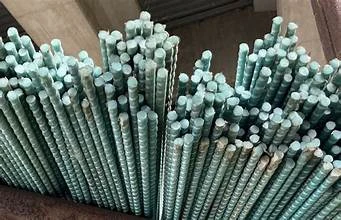
India is undergoing a rapid transformation in its infrastructure and construction sector. As builders seek more durable, corrosion-resistant, and cost-effective materials, composite rebar has emerged as a revolutionary alternative to traditional steel reinforcement. This article explores how composite rebar is changing the landscape of Indian construction.
Advantages of Composite Rebar for Indian Construction
- Corrosion Resistance: Unlike steel rebar, which deteriorates due to India’s extreme weather conditions, composite rebar remains unaffected by moisture, chemicals, and saltwater exposure.
- Lightweight Yet Strong: Composite rebar is significantly lighter than steel, making it easier to transport and install while offering superior tensile strength.
- Cost-Effective in the Long Run: While composite rebar may have a higher initial cost, its low maintenance and longer lifespan result in significant savings over time.
- Seismic and Environmental Benefits: Given India’s susceptibility to earthquakes and extreme climates, composite rebar provides superior resilience, making it ideal for high-risk zones.
- Sustainability: The use of composite rebar aligns with India's push towards eco-friendly construction as it reduces waste, is energy-efficient, and supports green building initiatives.
Applications in India
- Smart Cities & Urban Development: Composite rebar is being widely adopted in India’s smart city projects to ensure sustainable infrastructure.
- Bridges and Highways: With India's vast road network expansion, composite rebar ensures long-lasting bridges and highways resistant to environmental damage.
- Marine and Coastal Structures: Ports, seawalls, and coastal roads benefit from corrosion-resistant composite rebar, significantly increasing their lifespan.
- Industrial and Chemical Plants: Industries dealing with highly corrosive environments prefer composite rebar due to its superior chemical resistance.
The Future of Composite Rebar in India
As India continues to modernize, the demand for high-performance, durable construction materials is growing. Government initiatives and private sector investments in infrastructure projects are accelerating the adoption of composite rebar. Manufacturers like Duraneo are at the forefront, ensuring India benefits from this cutting-edge technology.
Conclusion
With its numerous advantages over steel rebar, composite rebar is set to become a game-changer in India’s construction industry. Its corrosion resistance, lightweight nature, and sustainability make it an ideal choice for long-term, cost-effective, and high-performance infrastructure. As awareness increases, we can expect a widespread shift towards composite materials in India’s future construction projects.

























Sign in to leave a comment.