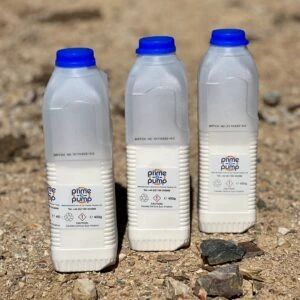

Concrete pump primer is the key to smooth, efficient concrete flow. It creates a lubricating layer inside the pipeline, reducing friction and preventing blockages before pumping begins. Without it, even the best concrete mix can clog the system and cause costly delays.
What Is a Concrete Pump Primer?
A concrete pump primer is a specially formulated material, typically a powder or liquid compound, mixed with water and pumped through the pipeline before concrete.
Its main purpose is simple but critical:
➡️ Prepare the pipeline for concrete flow by reducing internal resistance
Instead of concrete directly scraping against dry pipes, the primer forms a slick coating that allows material to move effortlessly.
How Concrete Pump Primer Works
1. Creates a Lubrication Layer
When the primer is pumped through the line, it coats the inner surface of pipes with a thin, slippery film.
- Reduces friction between concrete and pipe walls
- Prevents aggregate from sticking
- Ensures consistent flow from the start
This is especially important in long pipelines or complex pumping setups.
2. Reduces Wear and Tear
Concrete is abrasive by nature. Without proper lubrication:
- Pipes wear out faster
- Pumps require more power
- Maintenance costs increase
Primer acts as a protective barrier, extending the life of your equipment.
3. Prevents Blockages and Segregation
One of the biggest risks in concrete pumping is blockage.
Primer helps by:
- Keeping aggregates evenly distributed
- Preventing dry pockets in the pipeline
- Reducing pressure buildup
This results in fewer interruptions and safer operations.
4. Improves Pumping Efficiency
With reduced friction and smoother flow:
- Pump pressure requirements decrease
- Fuel consumption drops
- Output becomes more consistent
This directly impacts productivity on-site, especially in large-scale projects.
Step-by-Step: How to Use Concrete Pump Primer
Step 1: Mix the Primer
Follow manufacturer guidelines. Typically:
- Powder primer → mix with water
- Liquid primer → dilute if required
Step 2: Pump the Primer First
Run the mixture through the pipeline before introducing concrete.
Step 3: Start Concrete Pumping
Once the line is coated, begin pumping concrete immediately to maintain the lubrication effect.
Step 4: Monitor Flow
Ensure smooth flow without pressure spikes or interruptions.
Types of Concrete Pump Primers
Powder-Based Primers
- Lightweight and easy to transport
- Mixed on-site with water
- Cost-effective for regular use
Liquid Primers
- Ready-to-use or minimal mixing required
- Faster preparation
- Ideal for time-sensitive jobs
When Should You Use a Primer?
Using a concrete pump primer is highly recommended in:
- Long-distance pumping
- Vertical pumping (high-rise construction)
- First-time pipeline setup
- Restarting after downtime
- Complex pipeline layouts
Skipping primer in these situations significantly increases the risk of blockages.
Why Professionals Choose Reliable Solutions
In modern construction, efficiency and reliability are non-negotiable. High-quality primers, like those offered by Mycite Australia, are designed to:
- Deliver consistent lubrication
- Reduce operational risks
- Improve overall pumping performance
Choosing the right primer is not just about convenience, it directly impacts project timelines and equipment longevity.
Expert Tips for Better Results
- Always use the correct primer dosage
- Never start pumping dry pipelines
- Keep a backup primer on-site
- Train operators on proper priming procedures
- Match primer type with project scale
These small steps can prevent major on-site issues.
Conclusion
Concrete pump primer is not an optional extra, it is a critical component of any efficient pumping system. By reducing friction, preventing blockages, and improving flow, it ensures that concrete moves smoothly from start to finish.
For contractors and project managers aiming for reliability and performance, integrating high-quality solutions like those from Mycite Australia can make a measurable difference in both productivity and cost control.
If you want fewer delays, longer equipment life, and consistent results, start with proper priming every time.


























Sign in to leave a comment.