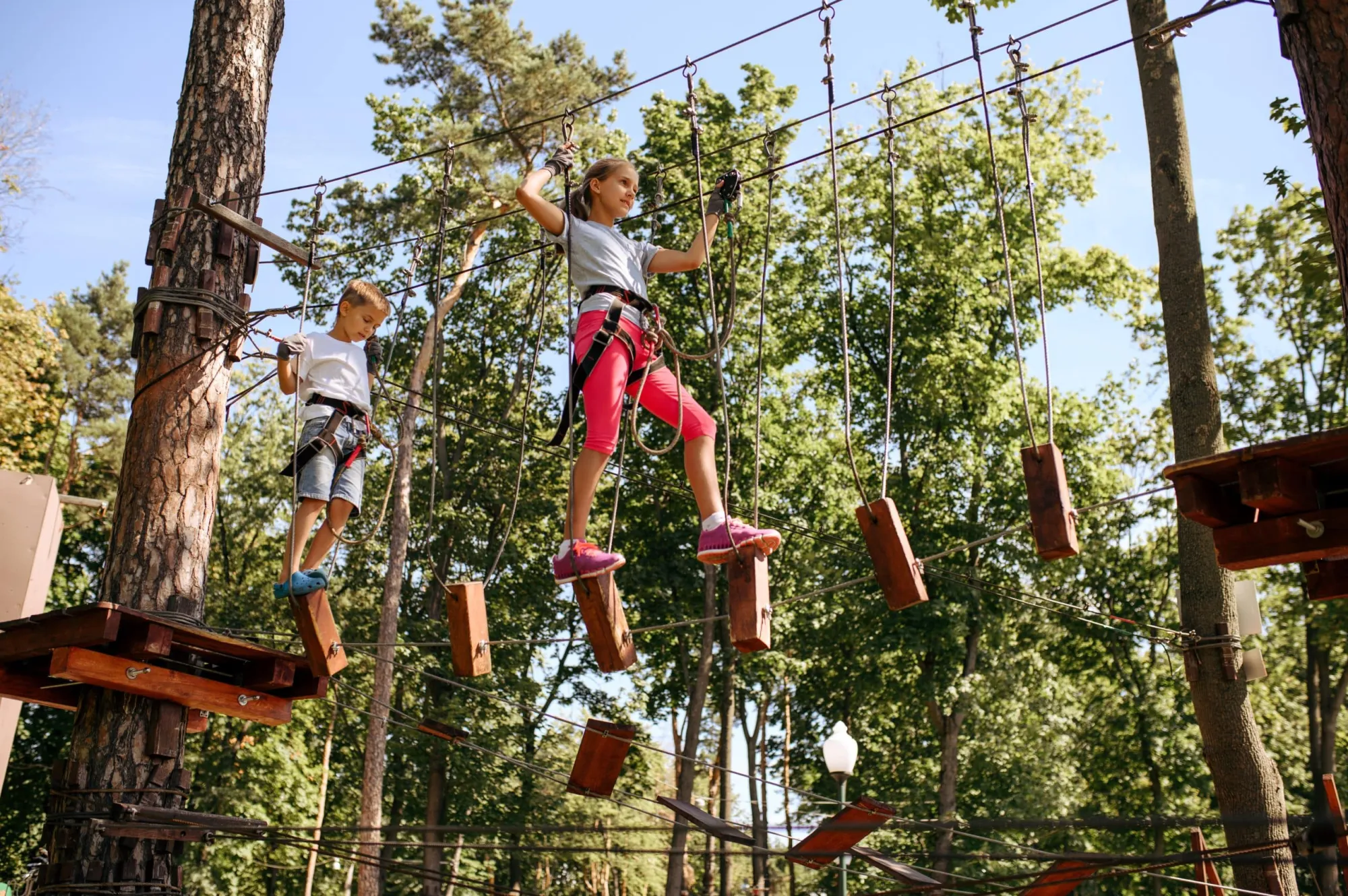

Confidence building programs for children work because they don’t try to “teach” confidence in a classroom sense. That never really sticks. Kids don’t become confident by being told to be confident.
They become confident by doing things. Speaking up in a group. Trying something new and not falling apart when it doesn’t go perfectly. Simple moments, repeated enough times, start to change how they see themselves.
It’s not dramatic. It’s gradual. And that’s exactly why it works.
Kids today deal with more pressure than it looks like
From the outside, childhood might seem easy. But kids today carry a lot. School expectations, social comparison, constant digital noise. Even when adults don’t notice it, kids feel it.
That pressure quietly affects how willing they are to try things. Many start avoiding situations where they might look wrong or feel embarrassed.
Confidence building programs for children give them a space where mistakes aren’t treated like failure. That alone changes behavior over time.
Safe environments make risk-taking easier
One of the biggest reasons these programs work is safety. Not physical safety, but emotional safety.
When a child knows they won’t be judged harshly, they start trying more. They speak more. They participate more. Even the quiet ones start opening up slowly.
It’s not forced. It happens when the environment stays consistent and calm, even when kids mess up.
Small challenges create real internal change
These programs don’t rely on big dramatic activities. It’s usually small tasks. Group discussions. Simple problem-solving. Light leadership roles.
But those small things matter more than they look like.
A child who usually avoids attention might be asked to explain something to a group. Nothing huge. But that moment builds something internally. They survive it. Sometimes even do well. That memory stays.
Social interaction plays a bigger role than expected
Confidence is often social. Kids don’t just need skills, they need practice with people.
Confidence building programs for children focus a lot on group interaction because that’s where most anxiety shows up. Talking to peers. Working in teams. Expressing ideas without overthinking.
The more they do it, the less “scary” it feels. It becomes normal instead of stressful.
Failure stops feeling like a dead end
One of the biggest changes these programs bring is how kids react to failure.
At first, many kids shut down when something goes wrong. They stop trying or withdraw. But when they repeatedly experience small failures in a supportive environment, something shifts.
They start seeing failure as part of the process, not the end of it. That mindset stays with them longer than expected.
Teen summer camp experiences strengthen this further
A teen summer camp environment adds another layer to confidence building. New people. New routines. No old labels following them around.
That reset matters more than people think.
Teens who feel “quiet” or “awkward” at school often behave differently in camp settings because the environment doesn’t reinforce old identities. They get space to experiment with who they are.
Independence builds self trust
Confidence is closely tied to independence. When kids or teens make small decisions on their own, they start trusting themselves more.
Confidence building programs for children often include activities where they have to figure things out without constant guidance. Not extreme independence, just enough space to think and act.
That self trust builds slowly but stays strong.
Growth shows up in small everyday behavior
The changes don’t always look obvious. It’s not like a child suddenly becomes outgoing overnight.
It shows up in small things. Speaking a bit louder. Trying again after making a mistake. Volunteering for something instead of stepping back.
Parents often notice these details more than big transformations. And honestly, that’s where the real progress is.
Final thoughts
Confidence doesn’t come from advice or motivation talks. It comes from repeated experience in the right kind of environment.
That’s why confidence building programs for children and teen summer camp experiences still matter today. They don’t change who a child is. They change what a child believes they can do.


























Sign in to leave a comment.