

Finding the right children's dentist Parkland families can trust is one of the most important health decisions a parent will make. A child's early dental experiences shape how they feel about oral care for the rest of their lives. Choose well, and your kid walks into every appointment with confidence. Choose poorly, and you could be dealing with dental anxiety for years to come.
So what actually separates a great pediatric dentist from an average one? It goes far beyond clean offices and friendly front desk staff. The best children's dentists combine clinical expertise, a genuine connection with kids, and a practice built around making young patients feel safe. Let's break down exactly what to look for.
Specialized Training in Pediatric Dentistry
A great children's dentist has completed additional training beyond dental school, typically two to three years of residency focused specifically on treating infants, children, and adolescents. This specialized education covers child psychology, growth and development, sedation techniques, and managing patients with special needs.
General family dentists can certainly treat kids, but a board-certified pediatric dentist has dedicated their career to understanding the unique needs of developing mouths. From fluoride treatment for children to early orthodontic assessments, their training equips them to catch problems that a general practitioner might overlook.
Why Board Certification Matters
Board certification from the American Board of Pediatric Dentistry signals that a dentist has met rigorous standards beyond the minimum licensing requirements. It means they've passed comprehensive exams, demonstrated clinical competence, and committed to ongoing education. For parents in Parkland and surrounding communities, asking about board certification is a smart first step when evaluating any pediatric dental clinic.
A Child-Friendly Environment That Reduces Dental Anxiety
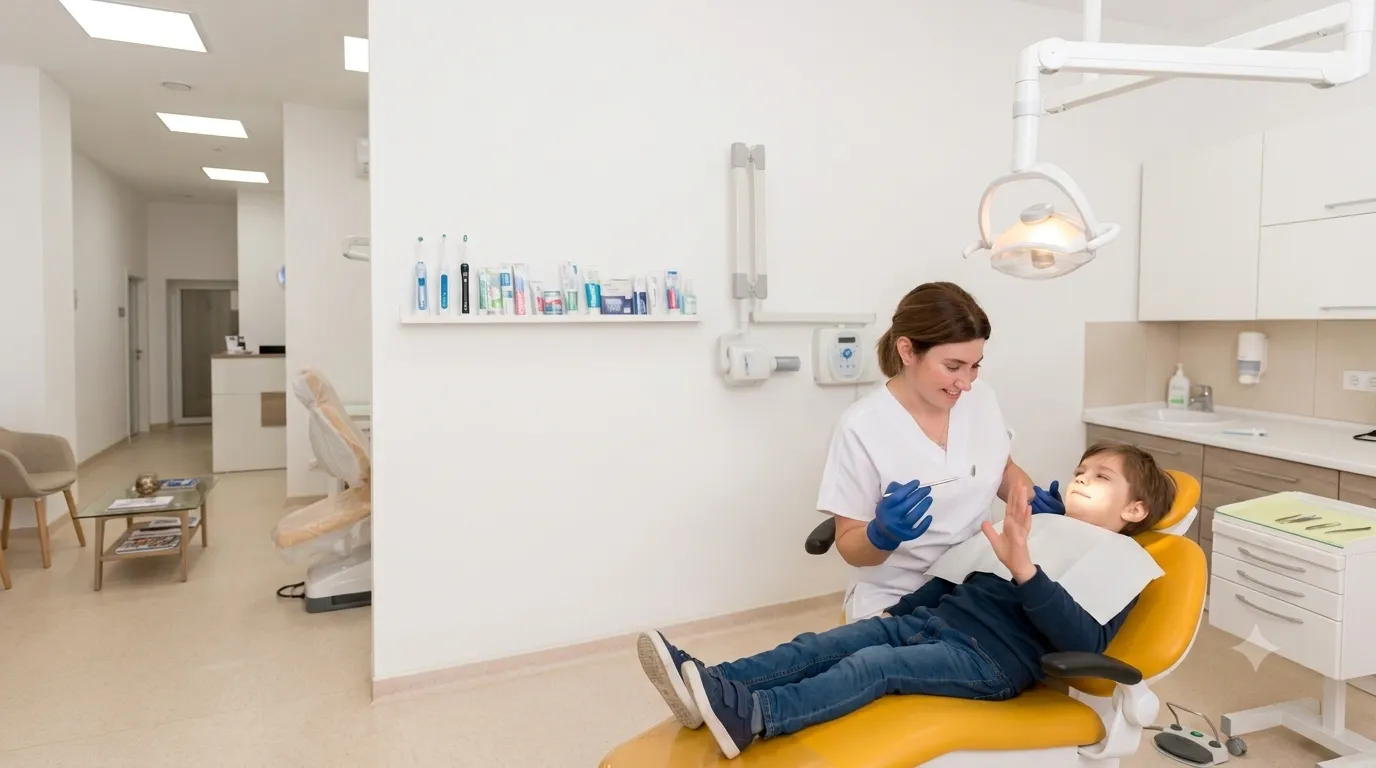
Walk into a great kids' dental office and you'll notice the difference immediately. The waiting area feels more like a playroom than a medical facility. The colors are bright, the seating is sized for little ones, and there's often a TV, books, or interactive games to keep children occupied.
But the environment goes deeper than decor. A truly child-friendly practice trains every team member to communicate at a child's level. Hygienists explain procedures using simple, non-threatening language. They show kids the tools before using them. They let children ask questions and feel in control. This approach dramatically reduces dental anxiety in children and makes routine visits like kids teeth cleaning something children actually look forward to.
Handling Fearful or Anxious Kids
Even in the best environment, some children arrive terrified. A great gentle dentist for children knows how to work through that fear without forcing the issue. Techniques like "tell-show-do," distraction methods, and positive reinforcement help anxious patients relax. In cases where anxiety is severe, a qualified pediatric dentist in Parkland, FL may offer sedation options that are safe and appropriate for the child's age and health history.
Comprehensive Preventive Dental Care for Kids
Prevention is the foundation of excellent pediatric dental services. A great children's dentist doesn't just fix problems. They work proactively to stop cavities, gum disease, and alignment issues before they start.
Preventive care for kids typically includes regular cleanings, fluoride treatments, dental sealants, and thorough oral exams. But it also includes something just as valuable: parent education. The best pediatric dentists take time to teach families about proper brushing techniques, nutrition choices that affect teeth, and age-appropriate milestones for children's dental health.
What a Typical Preventive Visit Looks Like
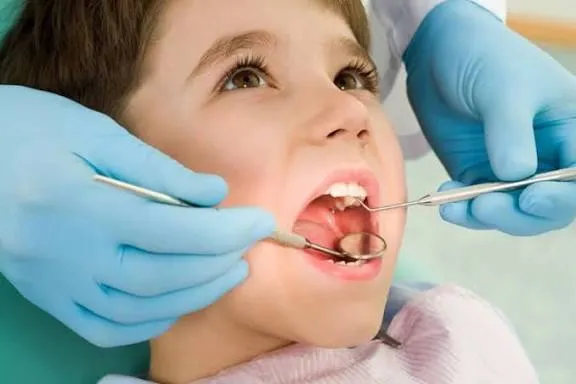
During a standard pediatric dentist appointment, the hygienist will clean your child's teeth, check for signs of decay, and apply fluoride if appropriate. The dentist then performs an exam, looking at tooth development, bite alignment, and soft tissue health. X-rays may be taken periodically to identify hidden issues like impacted teeth. Parents usually receive a summary of findings along with personalized recommendations for home care.
Ability to Handle a Full Range of Children's Dental Needs
Kids' dental needs vary widely, from a simple first visit for a toddler to emergency dental care for a child who chips a tooth on the playground. A great children's dentist in Parkland should be equipped to handle the full spectrum.
This includes cavity treatment for kids, tooth extraction when necessary, space maintainers for premature tooth loss, and early evaluation for orthodontic concerns. Some pediatric dental practices also coordinate referrals to an orthodontist for kids who need braces or aligners, ensuring continuity of care throughout childhood and adolescence.
Emergency Dental Care for Children
Accidents happen. A knocked-out tooth, a cracked filling, or sudden swelling can send any parent into a panic. The best pediatric practices offer same-day or next-day emergency appointments and provide clear after-hours instructions. Knowing your child's dentist can respond quickly in a crisis brings enormous peace of mind.
Affordability and Accessibility for Families
Quality dental care shouldn't be out of reach for any family. A great affordable pediatric dentist in Parkland will accept a range of insurance plans and offer transparent pricing. Many practices also provide flexible payment options or in-house membership plans for families without dental insurance.
Accessibility also means convenient scheduling. Parents juggle school drop-offs, work schedules, and extracurricular activities. A family-friendly dental practice offers early morning, late afternoon, or Saturday appointments so families aren't forced to choose between a dental visit and everything else on their plate.
How to Choose the Right Children's Dentist in Parkland
With so many options for kids dental care in Parkland, narrowing down the list can feel overwhelming. Here are practical steps that help:
- Ask other parents for recommendations. Word of mouth remains one of the most reliable ways to find a trusted dentist for kids near Parkland.
- Schedule a meet-and-greet visit. Many pediatric dental offices offer introductory appointments where your child can tour the office and meet the team without any treatment pressure.
- Check credentials and reviews. Look for board certification, positive online reviews, and any red flags regarding wait times or billing practices.
- Observe how the staff interacts with your child. Do they kneel down to eye level? Do they speak directly to your kid, not just to you? These small details reveal a lot about the culture of the practice.
- Trust your child's reaction. If your kid leaves the office smiling, that tells you more than any online review ever could.
A great children's dentist combines specialized training, a welcoming environment, a focus on prevention, and the ability to handle everything from routine cleanings to dental emergencies. They make kids feel safe, keep parents informed, and prioritize long-term oral health over quick fixes.
For families in Parkland, Coral Springs, Boca Raton, and the surrounding South Florida area, taking the time to find the right pediatric dental provider pays off in healthier smiles and stress-free appointments for years to come. Start by scheduling an introductory visit, ask plenty of questions, and pay attention to how your child feels when they walk out the door.
Frequently Asked Questions
1. What age should a child first visit a dentist?
The American Academy of Pediatric Dentistry recommends scheduling a child's first dental visit by their first birthday or within six months of the first tooth erupting.
2. What is the difference between a pediatric dentist and a general dentist?
A pediatric dentist completes two to three additional years of specialized training focused on treating children, including child psychology, development, and sedation techniques.
3. How can I help my child overcome dental anxiety?
Choose a child-friendly dental practice, use positive language about dental visits at home, and consider scheduling a no-treatment introductory visit so your child can get comfortable.
4. How often should children see a dentist?
Children should visit the dentist every six months for routine cleanings, exams, and preventive care unless their dentist recommends a different schedule.
5. Are fluoride treatments safe for children?
Yes, fluoride treatments are safe and highly effective at strengthening tooth enamel and preventing cavities in children when applied by a qualified dental professional.



























Sign in to leave a comment.