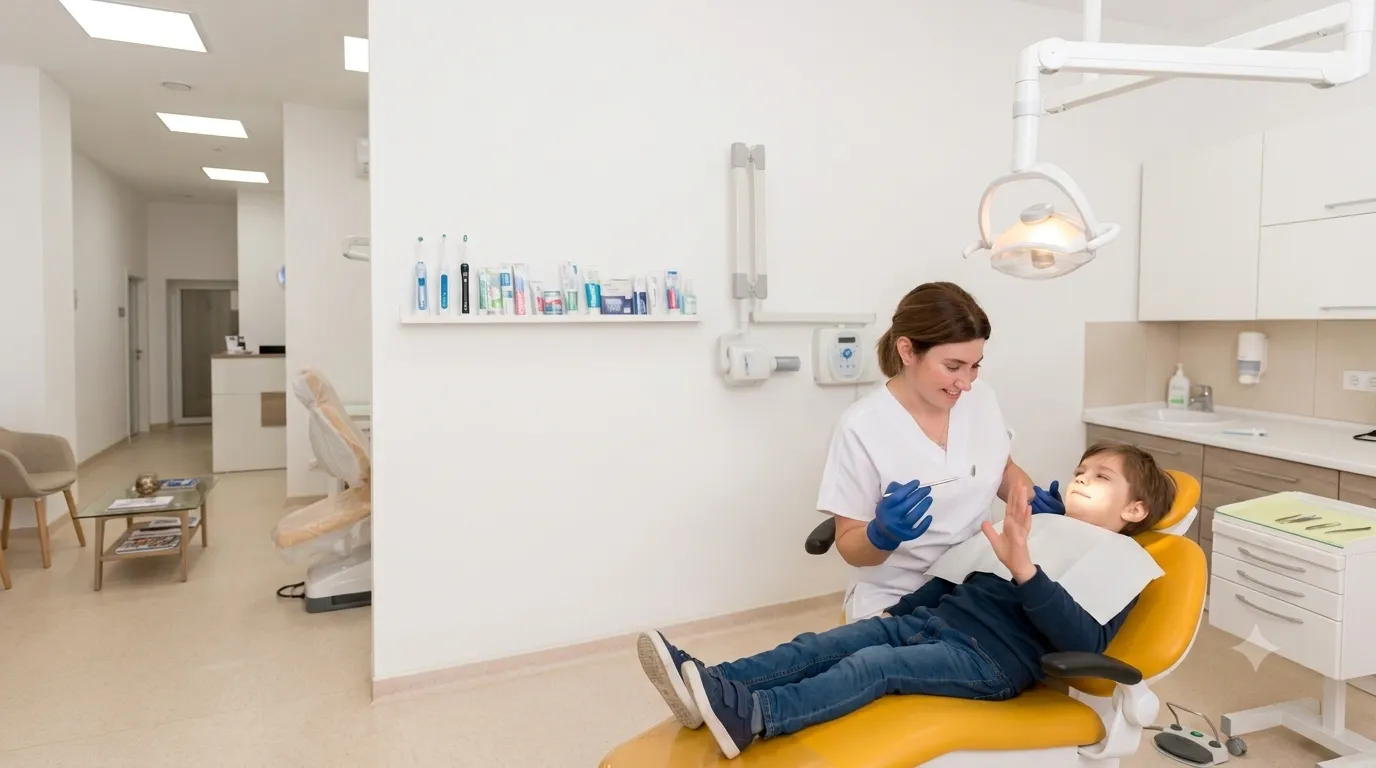

Few things stress a parent out more than watching their child panic in a dental chair. Tears, squirming, and flat-out refusal to open their mouth can turn a routine cleaning into an ordeal for everyone involved. Finding a sedation dentist for anxious child visits is one of the most effective ways to take the fear out of dental care and help your little one get the treatment they need safely and calmly.
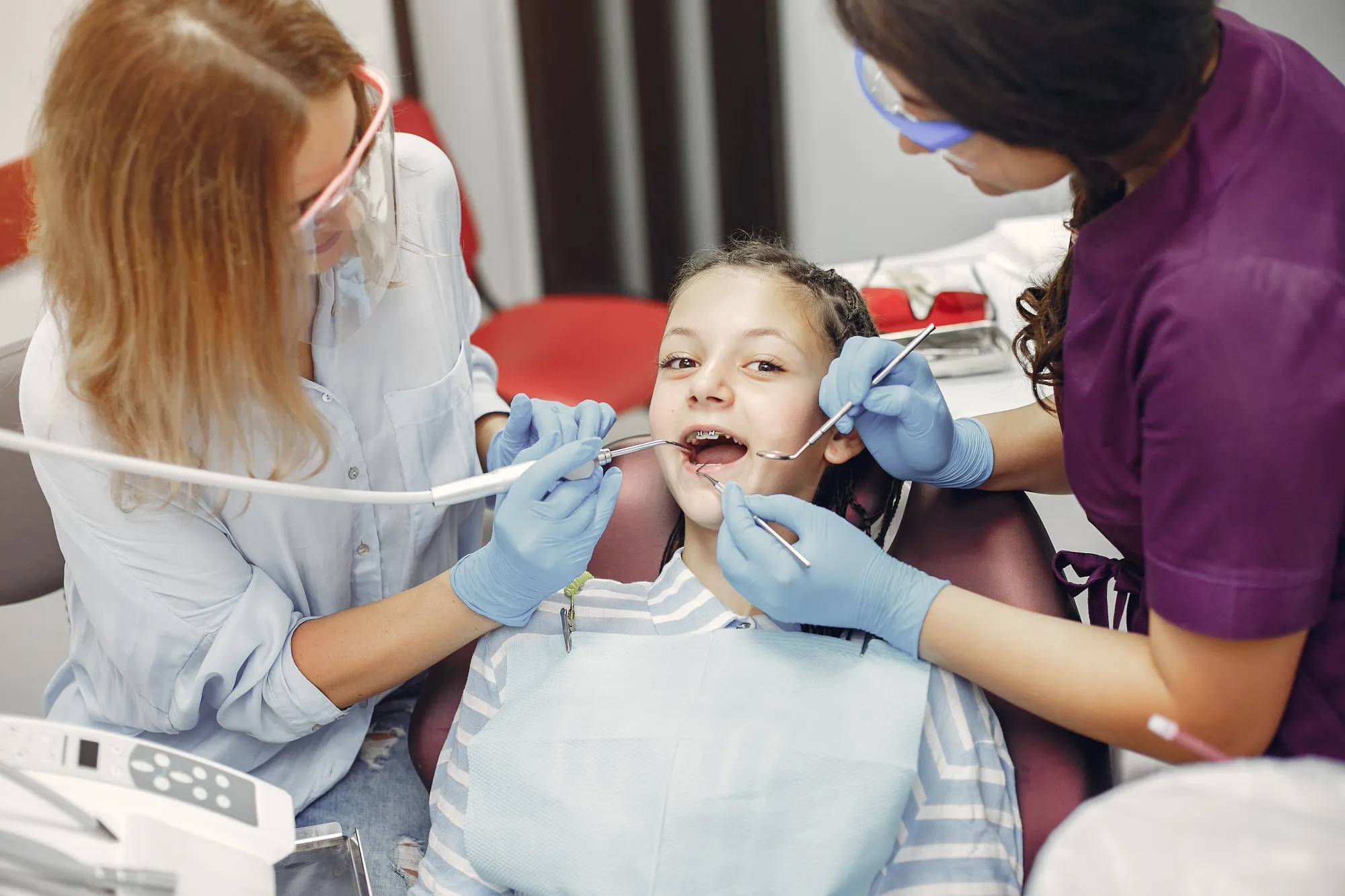
But once you start exploring sedation options, a common question comes up: should your child get nitrous oxide or a deeper form of sedation? The answer depends on your child's age, anxiety level, the procedure being done, and a few other factors. This guide breaks down both options so you can make a confident, informed decision.
Why Some Children Need Extra Help at the Dentist
Dental anxiety in children is incredibly common. Studies suggest that anywhere from 10 to 20 percent of kids experience significant fear around dental visits. For some, it is mild nervousness that fades once the appointment starts. For others, it escalates into full dental phobia that makes treatment nearly impossible without some form of anxiety management.
Children with sensory sensitivities, previous negative dental experiences, or developmental differences may struggle even more. A calm kids dental office with a gentle approach helps, but sometimes environment alone is not enough. That is where pediatric sedation dentistry comes in, offering safe, controlled ways to reduce fear and discomfort so the dentist can do their job and the child can leave without trauma.
Nitrous Oxide for Kids: How It Works
Nitrous oxide, commonly called laughing gas, is the mildest and most widely used form of sedation in pediatric dentistry. The child breathes a mixture of nitrous oxide and oxygen through a small mask placed over their nose. Within a few minutes, they feel relaxed, slightly tingly, and sometimes a bit giggly.
The key advantages of nitrous oxide include:
Benefits of Nitrous Oxide
- It takes effect quickly, usually within two to three minutes
- The child stays fully conscious and can communicate with the dentist
- The effects wear off almost immediately once the mask is removed
- There are very few side effects when administered properly
- No needles or pills are required
- The child can eat and resume normal activities shortly after the appointment
Nitrous oxide for kids works best when the child has mild to moderate anxiety. It is ideal for cleanings, fillings, and shorter procedures where the child just needs help relaxing rather than being fully sedated.
Limitations of Nitrous Oxide
Nitrous oxide does not work well for every child. Kids with severe dental phobia, very young children who refuse to wear the mask, or those who need lengthy or complex procedures may not get enough relief from laughing gas alone. It also requires the child to breathe through their nose, which can be tricky if they have nasal congestion or a habit of mouth breathing.
Oral and Conscious Sedation for a Fearful Child
When nitrous oxide is not sufficient, oral sedation or conscious sedation offers a deeper level of relaxation. Oral sedation pediatric dentistry typically involves giving the child a liquid medication before the procedure. The child becomes drowsy and very relaxed but remains semi-conscious.
Conscious sedation can also be administered through an IV in certain clinical settings, though this is less common for routine pediatric procedures. A conscious sedation pediatric dentist monitors your child's vitals throughout the appointment to ensure safety.
When Oral Sedation Makes Sense
Oral sedation is generally recommended for children who:
- Have extreme anxiety that nitrous oxide cannot manage
- Need multiple procedures completed in one visit
- Have difficulty sitting still for extended periods
- Are undergoing more invasive treatments like extractions or crowns
- Have special needs that make cooperation challenging
A special needs pediatric dentist or one experienced in child behavior guidance dentistry will evaluate your child individually before recommending this option.
What Parents Should Know About Deeper Sedation
Unlike nitrous oxide, oral sedation requires preparation. Your child may need to fast for several hours before the appointment. The effects last longer, so plan for a quiet afternoon at home afterward. Some children feel groggy or mildly nauseous as the medication wears off.
Sleep dentistry for children, where the child is fully under general anesthesia, is reserved for the most complex cases and is typically performed in a hospital or surgical center rather than a standard dental office.
Choosing Between Nitrous Oxide and Sedation for Your Child
There is no single right answer. The best choice depends on your child's specific needs. Here is a practical way to think about it:
- Mild anxiety, short procedure: Nitrous oxide is usually the best starting point. It is gentle, fast-acting, and lets your child recover quickly.
- Moderate to severe anxiety, longer procedures: Oral sedation provides deeper relaxation and may be the better fit.
- Extreme phobia or complex dental needs: Conscious sedation or, in rare cases, general anesthesia may be necessary.
A qualified pediatric dentist will assess your child's medical history, temperament, and the scope of the dental work before making a recommendation. Do not hesitate to ask questions about the specific medications used, monitoring protocols, and what to expect before and after the appointment.
How to Help an Anxious Child Before a Dental Visit
Sedation is a powerful tool, but it works even better when paired with relaxation techniques for dental anxiety at home. A few strategies that genuinely help:
- Talk about the visit calmly and honestly. Avoid using words like "pain" or "shot."
- Read children's books about going to the dentist to normalize the experience.
- Practice deep breathing exercises together in the days leading up to the appointment.
- Let your child bring a comfort item like a stuffed animal or blanket.
- Choose a kid-friendly dentist with sedation options and a welcoming atmosphere designed for young patients.
These small steps can significantly reduce the stress your child feels walking through the door. Combined with professional dental anxiety management for children, they create a path toward a comfortable dental experience for kids that builds positive associations over time.
Cost and Accessibility of Pediatric Sedation
One concern many parents have is cost. Nitrous oxide tends to be the more budget-friendly option since it requires less monitoring and no pre-procedure preparation. Oral sedation and IV sedation cost more due to the additional training, equipment, and supervision involved.
Many dental offices offer flexible payment plans or accept a variety of insurance options to make sedated dental procedures for kids accessible. If finances are a concern, look into resources from an affordable pediatric dentist Parkland families can rely on for transparent pricing and payment flexibility.
Do not let cost alone drive the decision. The goal is a stress-free dental visit for your child that protects their oral health and their emotional wellbeing.
Both nitrous oxide and deeper sedation options serve an important role in gentle dental care for children. Nitrous oxide is perfect for mild anxiety and quick procedures, while oral or conscious sedation provides the extra support some kids truly need. The right choice comes down to your child's anxiety level, the complexity of the treatment, and guidance from a pediatric dentist experienced in anxiety support.
Every child deserves dental care that feels safe. Whether your little one just needs a calming mask or a more comprehensive sedation plan, the options available today make it possible for even the most fearful child to get through their appointment with minimal stress. Talk to your child's dentist about what approach fits best, and take that first step toward visits that no longer end in tears.
Frequently Asked Questions
1. Is nitrous oxide safe for children at the dentist?
Yes, nitrous oxide is considered very safe for children when administered by a trained pediatric dentist with proper monitoring.
2. How do I know if my child needs sedation for dental work?
If your child has severe anxiety, cannot sit still, or needs extensive dental treatment, your pediatric dentist may recommend sedation.
3. What is the difference between nitrous oxide and oral sedation for kids?
Nitrous oxide provides mild relaxation through a breathing mask, while oral sedation uses medication to create a deeper, drowsier state of calm.
4. Can a child eat before dental sedation?
For nitrous oxide there are usually no fasting requirements, but oral sedation typically requires the child to avoid eating for several hours beforehand.
5. How can I help my anxious child prepare for a dental visit?
Talk calmly about the visit, practice deep breathing together, let them bring a comfort item, and choose a kid-friendly dental office.




























Sign in to leave a comment.