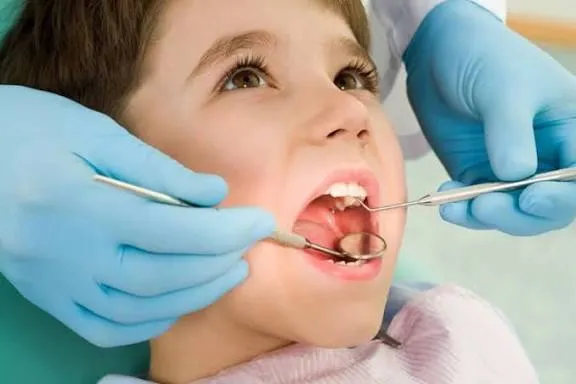

When a child loses a baby tooth too early, whether from decay, injury, or extraction, the surrounding teeth can slowly drift into the empty gap. This shift can block permanent teeth from coming in properly and lead to crowding, misalignment, or the need for more extensive orthodontic treatment later on. That is exactly why space maintainers for kids play such an important role in pediatric dental care.
A space maintainer is a small dental appliance designed to hold the gap open until the permanent tooth is ready to erupt. It is one of the simplest and most effective tools in preventive pediatric dentistry, yet many parents have never heard of it until their child's dentist brings it up. Understanding how these devices work, what types are available, and when they are needed can help parents make confident decisions about their child's oral health.
Why Kids Sometimes Need Space Maintainers
Baby teeth do more than help children chew and speak. They also serve as natural placeholders for the permanent teeth developing beneath the gums. Each primary tooth essentially reserves a spot, guiding the adult tooth into its correct position when the time comes.
When a baby tooth is lost before the permanent tooth is ready to take its place, that reserved space is at risk. Neighboring teeth can tilt or shift into the gap over weeks or months. Once that happens, the permanent tooth may come in crooked, get impacted beneath the gum line, or fail to erupt at all.
Common reasons a child might lose a baby tooth early include:
- Severe tooth decay that requires extraction
- Trauma or injury to the mouth
- Congenital conditions where certain teeth are missing
A pediatric dentist will evaluate the situation and determine whether a space maintainer is the right step to prevent tooth crowding and protect the child's developing smile.
Types of Dental Space Maintainers for Kids
Not every space maintainer looks the same. The type a dentist recommends depends on which tooth was lost, where it was located in the mouth, and the child's age and stage of dental development.
Fixed Space Maintainers
Fixed space maintainers are cemented onto adjacent teeth and stay in place until the permanent tooth begins to erupt. They are the most common choice for younger children because they cannot be removed or misplaced.
Several designs fall under this category:
- Band and loop: A metal band wraps around a neighboring tooth, with a wire loop extending across the gap. This is the most frequently used unilateral space maintainer.
- Distal shoe space maintainer: Used when a primary molar is lost before the first permanent molar has erupted. The appliance extends slightly below the gum line to guide the incoming tooth.
- Lingual arch: A bilateral space maintainer that connects molars on both sides of the lower jaw with a wire along the tongue side. It is ideal when multiple teeth are missing.
- Transpalatal arch: Similar to the lingual arch but used in the upper jaw, connecting molars across the palate.
Removable Space Maintainers
Removable space maintainers look similar to a retainer and are typically used for older, more cooperative children who can handle taking the device in and out for cleaning. They may include an artificial tooth to fill the visible gap, which can be helpful for front teeth.
While removable options offer flexibility, they require more responsibility from the child. If the appliance is not worn consistently, the teeth can still shift. For this reason, many pediatric dentists prefer fixed options for younger patients.
What to Expect When Your Child Gets a Space Maintainer
The process of placing a space maintainer is straightforward and typically painless. The dentist takes an impression or digital scan of the child's mouth, and the appliance is custom-made to fit. Once ready, it is cemented or fitted into place during a short office visit.
Most children adjust to the device within a few days. Some initial tongue irritation or mild discomfort is normal, but it usually fades quickly. Parents should encourage their child to avoid sticky or hard foods that could loosen the appliance and to maintain good oral hygiene around it.
Regular dental checkups are essential while a space maintainer is in place. The dentist will monitor the permanent tooth's progress and remove the device once eruption begins. The appliance is not meant to be permanent, just a temporary guide during the mixed dentition stage.
Concerns about space maintainer cost are understandable, especially when families are managing multiple dental needs. Many pediatric dental offices offer dental payment plans for kids to make preventive treatments like these more accessible.
Space Maintainer vs. Retainer: What Is the Difference?
Parents sometimes confuse space maintainers with retainers, but they serve very different purposes. A space maintainer holds open a gap left by a lost baby tooth so the permanent tooth can erupt in the right position. A retainer, on the other hand, is used after orthodontic treatment to keep teeth from shifting back to their original positions.
Think of a space maintainer as a preventive tool and a retainer as a maintenance tool. One comes before alignment problems develop, and the other comes after they have been corrected. In many cases, using a space maintainer during childhood can reduce or even eliminate the need for braces or other orthodontic appliances later.
Space maintainers are a small investment with a big impact on a child's long-term dental health. By holding the gap open after an early tooth loss, they help permanent teeth erupt properly and reduce the risk of crowding, misalignment, and costly orthodontic work down the road.
If your child has lost a baby tooth ahead of schedule, talking with a pediatric dentist about whether a space maintainer is appropriate is a smart next step. Early intervention in transitional space management can set the stage for a healthier, straighter smile as your child grows.
Frequently Asked Questions
1. When do kids need space maintainers?
Kids need space maintainers when they lose a baby tooth too early due to decay, injury, or extraction, and the permanent tooth is not yet ready to come in.
2. Do space maintainers hurt children?
Space maintainers are generally painless to place, and most children adjust to them within a few days with only minor initial discomfort.
3. How long does a child wear a space maintainer?
A child wears a space maintainer until the permanent tooth begins to erupt into the gap, which can range from several months to a few years.
4. What is the difference between a space maintainer and a retainer?
A space maintainer holds open a gap for an incoming permanent tooth, while a retainer keeps teeth in place after orthodontic treatment.


























Sign in to leave a comment.