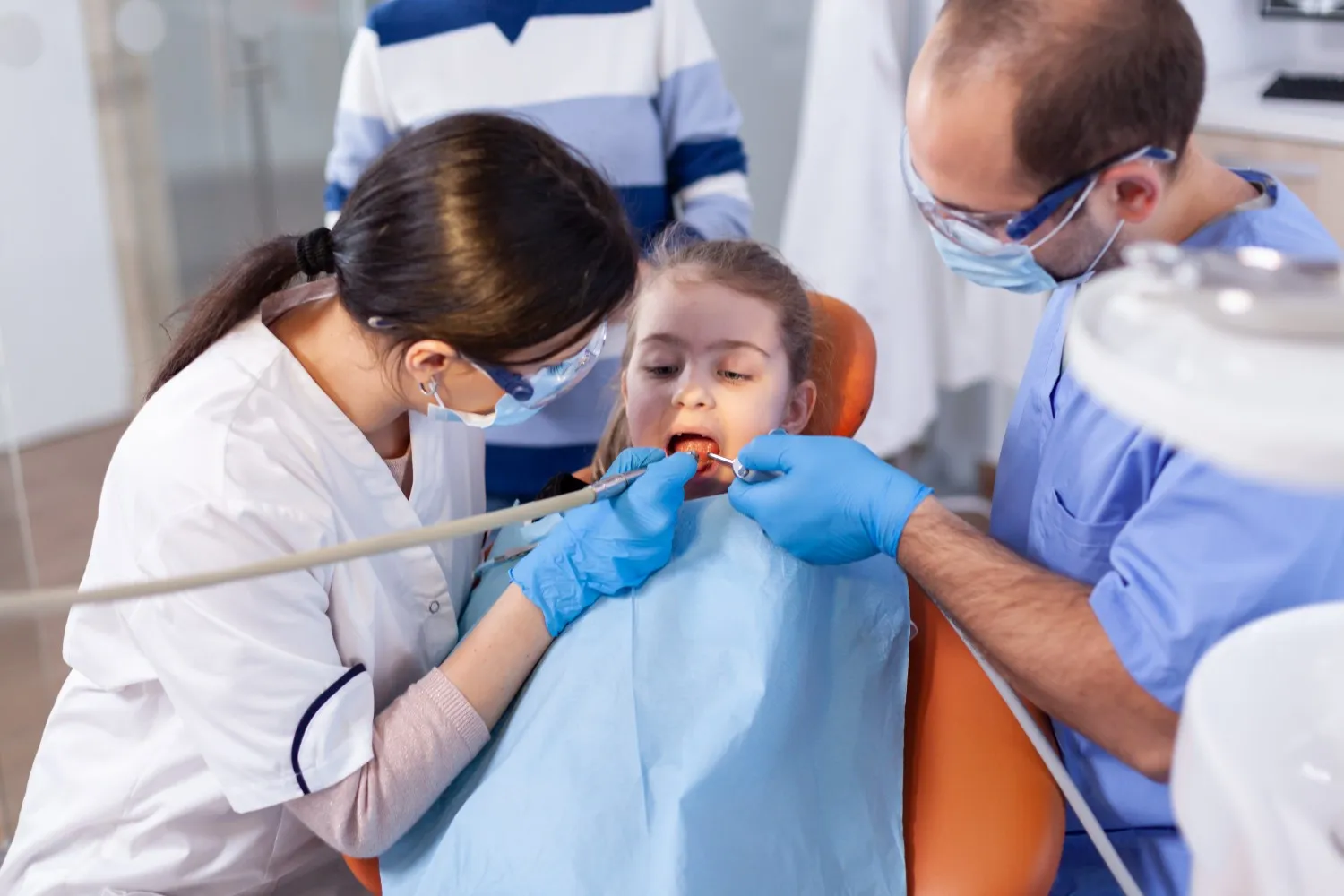

Taking a child to the dentist can feel like a big deal for both parents and kids. The bright lights, unfamiliar sounds, and strange tools can easily overwhelm a young patient. That's exactly why pediatric dentistry parkland focuses on creating an experience designed specifically for children, from the waiting room to the treatment chair.
A kid-friendly dental practice goes far beyond colorful walls and cartoon characters. It involves specialized training, age-appropriate communication, and treatment approaches that prioritize comfort at every step. Understanding what sets pediatric dental care apart can help parents make confident decisions about their child's oral health.
Specialized Training Behind Pediatric Dental Care in Parkland
Pediatric dentists complete two to three additional years of training beyond dental school, focusing entirely on treating infants, children, and adolescents. This specialized education covers child psychology, growth and development, and managing dental anxiety in young patients.
This training matters because a child's mouth is constantly changing. Baby teeth, incoming permanent teeth, and developing jaw structures all require a different clinical approach than adult dentistry. A child dental specialist understands these developmental stages and adjusts treatment plans accordingly.
How the Environment Shapes a Child's Dental Experience
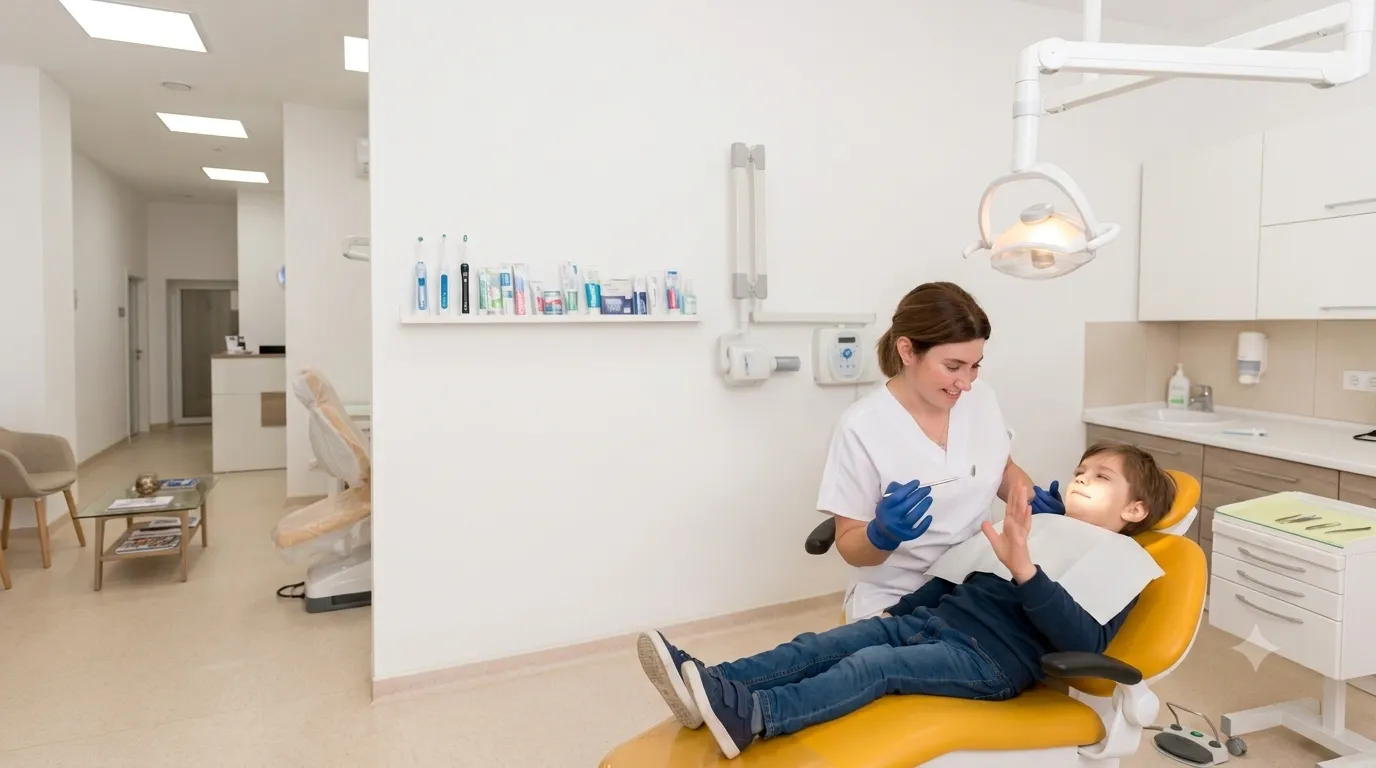
Walk into a well-designed kids dental clinic and you'll notice the difference immediately. The space feels welcoming rather than clinical. Play areas, age-appropriate décor, and smaller furniture all send a clear message to children: this place was built for you.
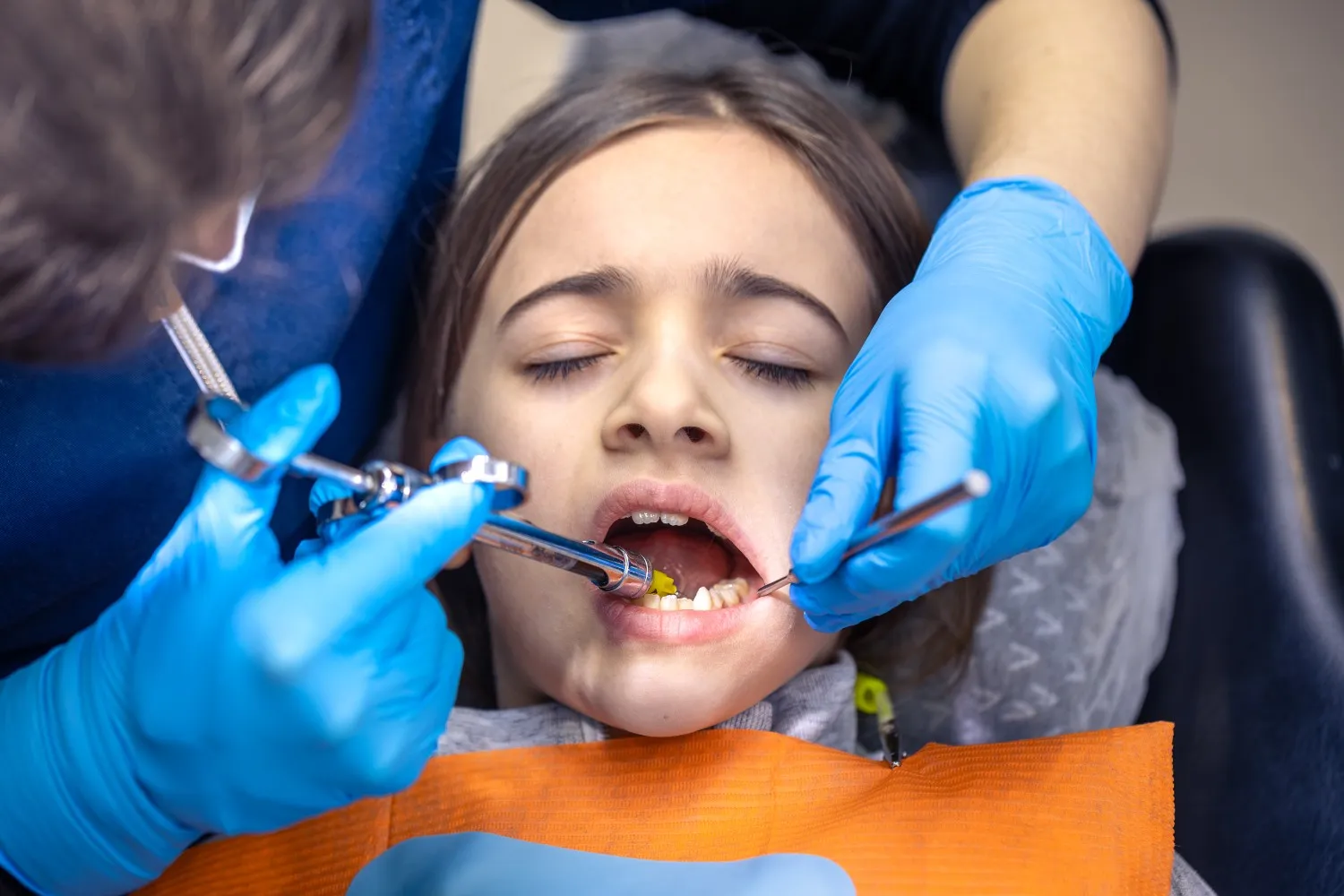
But the environment goes beyond aesthetics. Staff members at a child-friendly dentist are trained to speak to kids in ways they understand. Instead of saying "injection," a team member might say "sleepy juice." Instead of "drill," they might say "Mr. Whistle." These small language shifts reduce fear and build trust before any treatment begins.
Preventive Services That Protect Children's Teeth Early
Prevention is the foundation of pediatric dental care. Regular dental checkups allow a dentist to catch problems early, often before a child even notices discomfort. Teeth cleaning for children removes plaque buildup that brushing alone can miss, especially in hard-to-reach areas.
Two of the most effective preventive treatments are fluoride treatment for kids and dental sealants. Fluoride strengthens enamel and helps resist decay, while sealants create a protective barrier over the chewing surfaces of molars. Together, these services significantly reduce the risk of cavities in children.
When Should Kids Start Visiting the Dentist?
The American Academy of Pediatric Dentistry recommends a first visit by age one or within six months of the first tooth erupting. Early visits establish a baseline for oral health, get children comfortable with the dental setting, and give parents guidance on caring for baby teeth at home.
Managing Fear and Anxiety in Young Dental Patients
Dental anxiety is real, and it often starts in childhood. A negative early experience can create a lifelong fear of the dentist. That's why pediatric practices use behavior management techniques like tell-show-do, where the dentist explains a procedure, demonstrates it on a model or finger, and then performs it on the child.
For children who need extra support, sedation dentistry options are available. Nitrous oxide, commonly called laughing gas, is a mild and safe option that helps kids relax during procedures like cavity treatment. The goal is always to complete necessary care without creating trauma.
What Services Does a Pediatric Dentistry Practice Offer?
A comprehensive pediatric dental practice covers a wide range of services tailored to growing smiles. Common offerings include:
- Routine dental checkups and cleanings
- Fluoride treatments and sealants for children
- Cavity treatment and restorative care
- Orthodontic evaluations for kids
- Emergency pediatric dental care
- Wisdom teeth assessment for older adolescents
Having all of these services under one roof means parents don't need to coordinate between multiple providers. Whether a child needs preventive dental care or urgent attention after a fall on the playground, a pediatric practice is equipped to handle it.
Pediatric dentistry is kid-friendly because every detail is intentional. From the extra years of specialized training to the carefully designed office environment, everything revolves around making dental visits positive for children. Preventive care like fluoride treatments and sealants keeps young teeth strong, while gentle communication and anxiety management techniques build lasting trust.
Parents in the Parkland, Coral Springs, and Boca Raton areas have good reason to seek out pediatric dental care for their children. Starting early and choosing a practice that truly understands kids can set the stage for a lifetime of healthy smiles.
Frequently Asked Questions
1. At what age should a child first visit the dentist?
A child should visit the dentist by age one or within six months of their first tooth coming in.
2. What is the difference between a pediatric dentist and a regular dentist?
Pediatric dentists complete two to three extra years of training focused specifically on treating children's developing teeth, behavior management, and growth-related dental needs.
3. Are fluoride treatments safe for children?
Yes, fluoride treatments are safe and highly effective at strengthening children's tooth enamel and preventing cavities.































Sign in to leave a comment.