
Effective budget management is crucial for the success of any construction project. Construction scheduling software plays a pivotal role in optimizing budget management by streamlining project timelines, resource allocation, and cost monitoring. In this blog post, we will explore the significant impact of construction scheduling software on budget management within the construction industry.
1. Real-Time Monitoring and Control:
Construction scheduling software provides real-time visibility into project timelines and progress. This transparency allows project managers to identify potential delays or issues promptly, enabling them to take corrective actions before these challenges escalate into costly problems. By staying ahead of the curve, construction teams can ensure that the project stays within budgetary constraints.
2. Optimized Resource Allocation:
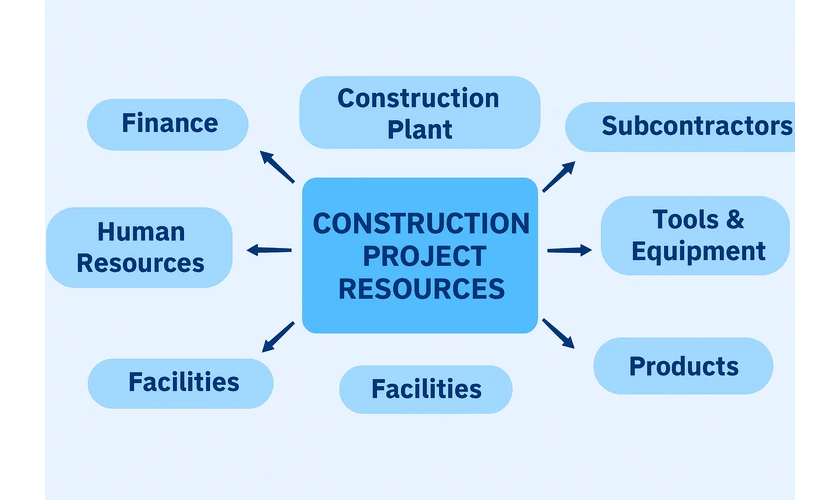
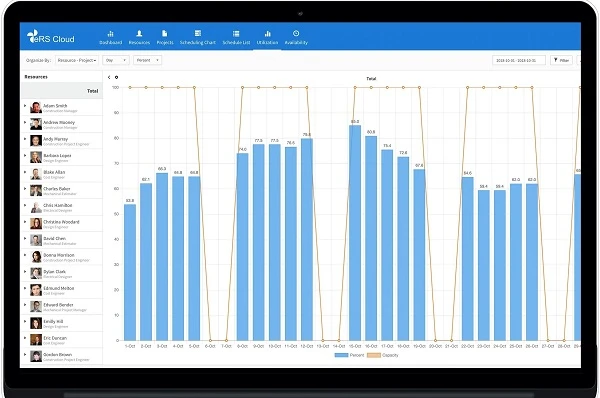
Efficient resource management is a key component of effective budgeting. Scheduling software allows project managers to optimize resource allocation by providing insights into the availability and utilization of manpower, machinery, and materials. This helps in preventing overallocation or underutilization of resources, ultimately contributing to cost savings.
3. Minimizing Downtime and Delays:
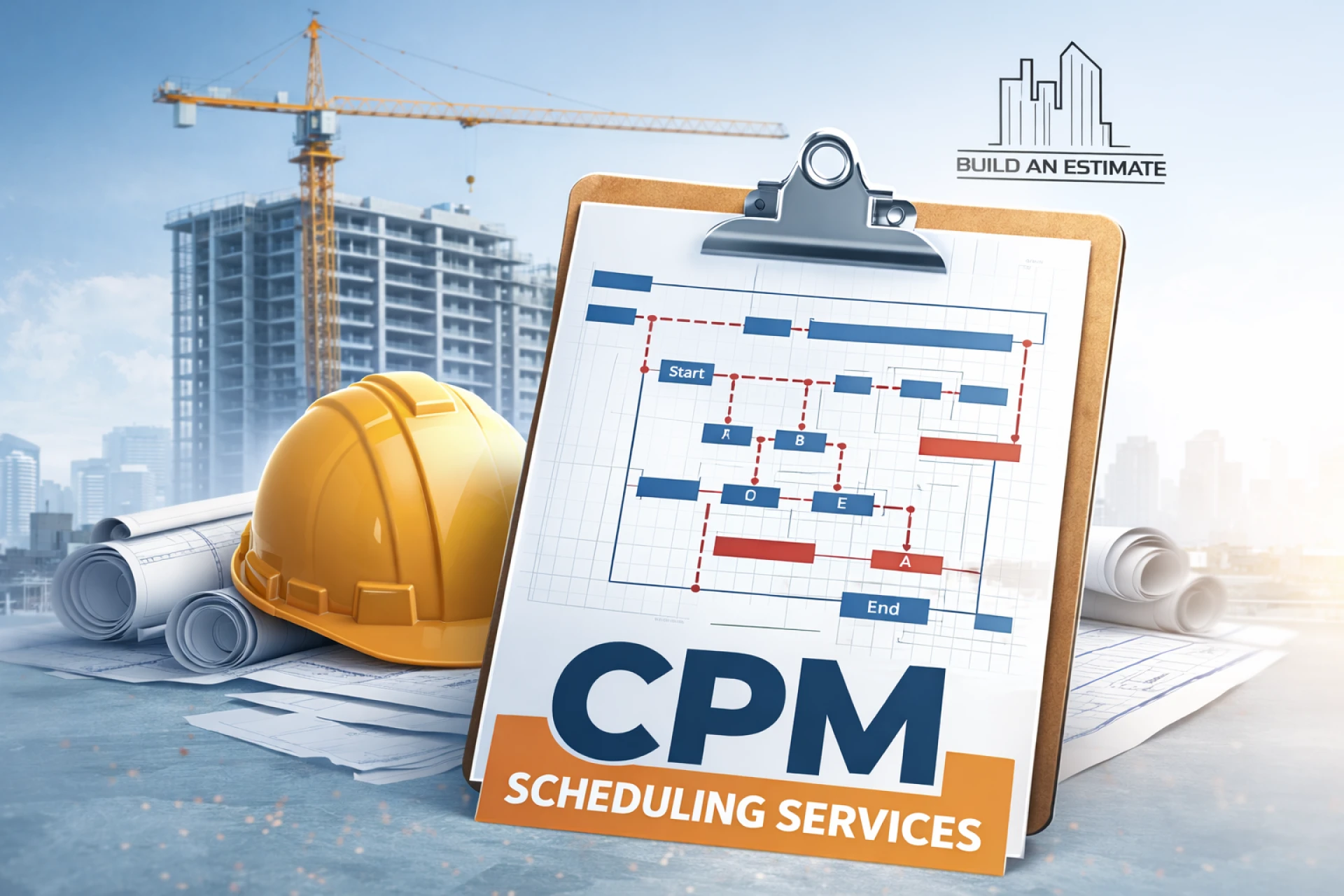
Delays in construction projects can lead to increased costs due to extended labor hours, equipment rentals, and other overhead expenses. Construction scheduling software aids in the identification of critical path activities and potential bottlenecks, allowing project managers to proactively address issues and keep the project on track. This, in turn, helps in minimizing downtime and avoiding unnecessary costs associated with delays.
4. Accurate Cost Estimation:
Scheduling software integrates with project cost estimation tools to provide accurate and up-to-date cost projections. By considering the duration and sequence of activities, the software assists in generating more precise cost estimates. This allows project managers to set realistic budgets and make informed decisions based on reliable financial data.
5. Change Order Management:
Change orders are inevitable in the construction industry and can have a significant impact on budgets. Construction scheduling software streamlines the process of managing change orders by assessing their effects on the overall project schedule and budget. This ensures that any changes are implemented seamlessly and with a clear understanding of their financial implications.
6. Enhanced Communication and Collaboration:
Effective communication among project stakeholders is vital for successful budget management. Construction scheduling software facilitates communication by providing a centralized platform for sharing project schedules, updates, and financial information. Improved collaboration leads to better decision-making, reducing the likelihood of budget overruns.
7. Historical Data for Future Projects:
Scheduling software maintains a record of project timelines, costs, and performance metrics. This historical data becomes a valuable resource for future projects, allowing construction teams to refine their budgeting processes based on past experiences. This iterative improvement contributes to the overall efficiency of budget management over time.
8. Cost Tracking and Reporting:
Construction scheduling software often includes robust cost tracking features that allow project managers to monitor expenses throughout the project lifecycle. By tracking costs against the budget in real-time, construction teams can identify variances early on and implement corrective measures. Detailed reports generated by the software offer a comprehensive overview of where the budget stands, providing the necessary information to make informed decisions.
Related: 3 Effective Ways to Control Costs in Capital Projects
9. Forecasting and Risk Management:
Construction projects inherently come with uncertainties and risks. Scheduling software, equipped with advanced algorithms, facilitates risk analysis and forecasting. By identifying potential risks and their financial implications, project managers can develop contingency plans and allocate reserves to mitigate unforeseen challenges. This proactive approach minimizes the impact of risks on the budget and ensures financial stability.
10. Vendor and Subcontractor Management:
Construction scheduling software extends its impact beyond internal operations to external stakeholders, such as vendors and subcontractors. Efficient scheduling allows for better coordination with external partners, reducing the likelihood of disputes and additional costs due to delays or miscommunication. Improved collaboration with vendors and subcontractors positively influences budget management by fostering a more cohesive and cost-effective project execution.
Related: 10 Best Construction Project Management Software For 2024
Conclusion:
In conclusion, the integration of construction scheduling software into project management practices has a profound impact on budget management within the construction industry. By providing real-time insights, optimizing resource allocation, and facilitating proactive decision-making, scheduling software empowers construction professionals to navigate projects successfully within budgetary constraints. As the construction landscape continues to evolve, embracing innovative solutions like scheduling software becomes not only a necessity but a strategic advantage for ensuring financial success in construction projects.








Sign in to leave a comment.