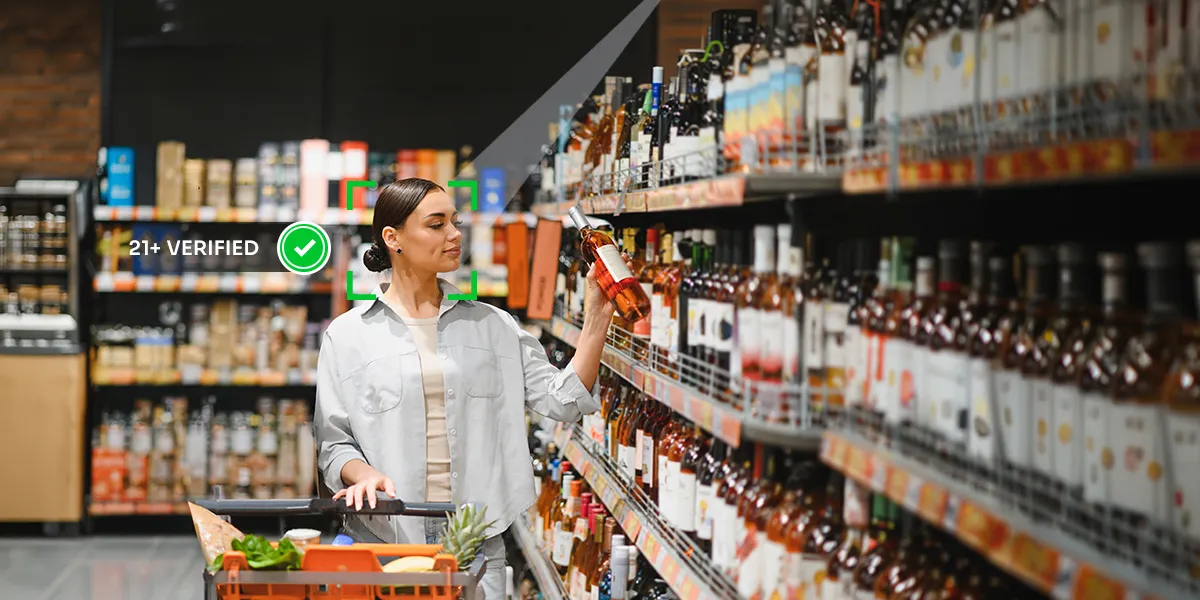

Convenience stores rely on high sales volumes because each sale yields little profit. One of the biggest causes of checkout delays is manually verifying customer ages.
Employees often must estimate ages or manually check IDs, which is time-consuming and can lead to mistakes. Compliance violations can result in costly fines and penalties, making manual age verification a significant risk for stores.
Many owners now use a convenience store ID scanner to speed up the process and avoid penalties. These scanners help keep lines short and protect profits.
In this blog post, we will walk through how modern age verification technology is evolving and how automated scanners can generate measurable return on investment (ROI) by speeding up checkout.
How ID Verification Is Evolving in Modern Convenience Stores
The way stores check customer ages is changing quickly. With stricter rules in place, it is no longer enough to trust that employees will always remember to check IDs or do the math in their heads.
More stores are choosing automated systems to help staff comply with the law and keep the checkout line moving.
From Manual Checks to Automated Systems
Not long ago, cashiers would carefully check each driver's license to determine the person's age.
When the store got busy, mistakes could happen, and the process slowed everyone down.
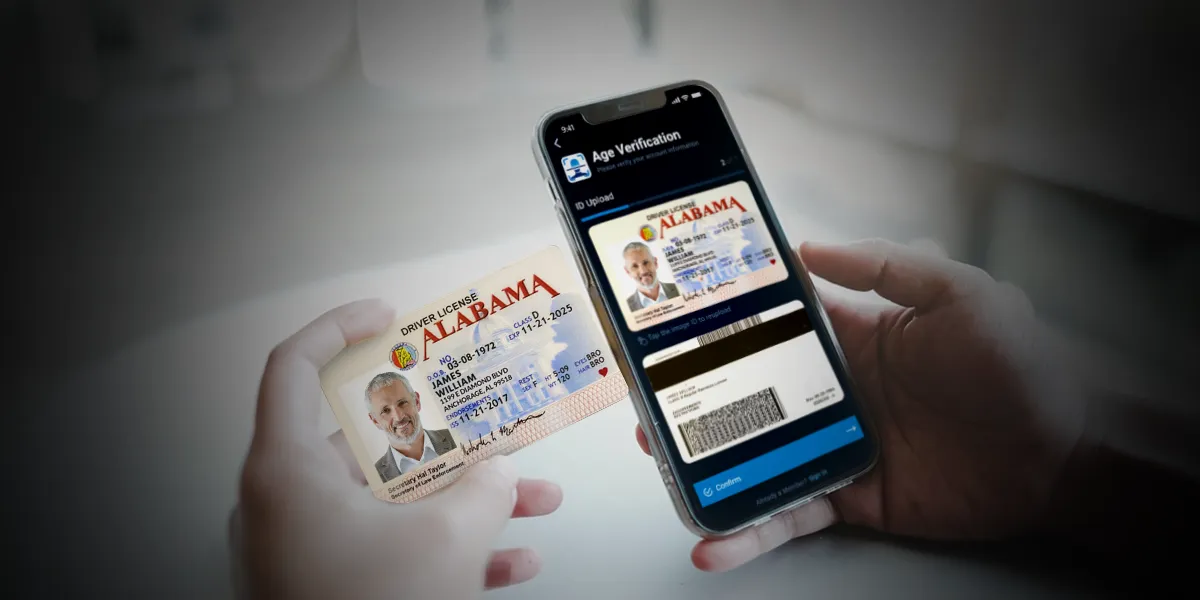
Now, many convenience stores have scanners that quickly read the barcode on a license and check the customer's age. This makes the process easier for staff and helps lines move faster.
Why Compliance Alone Is No Longer Enough
If you use technology just to stay compliant, you might miss out on the other good things it can do.
Age checks are not about staying out of trouble; they should also help keep your checkout line moving.
A short pause at the register can really add up over the course of the day, costing your store sales. With ID scanners, you can maintain compliance while helping customers move through checkout faster, making your store more efficient.
Where Convenience Stores Lose Money Without ID Scanners
When convenience stores choose not to use ID scanners, they put their sales at risk. Checking IDs manually takes more time and leaves more room for mistakes.
These slip-ups can lead to missed sales and costly fines if the rules are not followed, which eats away at profits.
Slow Checkout Bottlenecks
During the morning rush or after work, the store can fill up quickly, and everyone is hoping to get on with their day.
If a cashier needs to stop to check an ID or enter a birthdate, the line can suddenly start moving much slower. Some customers lose patience and leave before making a purchase.
Every time this happens, it means a lost sale for the store.
Human Error in Age Verification
Cashiers have a tough job, especially when the store is full and the line keeps growing. It is only natural for people to get tired or lose focus after hours on their feet.
Figuring out if someone is old enough while juggling other tasks can lead to simple math mistakes.
Just glancing at an ID is not always enough, and it is easy to mix up dates or miss a fake ID that looks real.
Compliance Risks and Penalty Exposure
When a store slips on compliance, the costs can be much more than just a simple fine.
If age-restricted products are sold to someone underage, the store could face huge fines, be required to appear in court, and even lose its license to sell tobacco or alcohol.
Without these high-margin sales, it becomes very hard for a convenience store to stay profitable.
Operational Inefficiencies
Relying on manual processes often means extra headaches for everyone.
If an employee makes a mistake or gets caught up in a disagreement about someone’s age, managers have to leave their main tasks to sort things out.
All the time spent checking records, handling arguments, and fixing compliance mistakes takes managers away from things like keeping the store running smoothly, managing inventory, or helping customers.
How ID Scanners Generate Direct ROI for Stores
Buying age verification equipment is not just another rule you have to follow. It is an investment that can help your store make more money.
Switching from manual checks to automated ones takes what used to slow you down and turns it into an opportunity to earn more, all while keeping things running smoothly.
Revenue Growth Through Faster Transactions
In a busy convenience store, how many customers you can serve during rush hour often decides your total sales for the day.
By reducing the time spent verifying IDs, employees can process more customers during peak hours, increasing sales opportunities throughout the day. ID scanners make these transactions much faster, helping keep lines short and customers happy.
This way, you avoid losing people who do not want to wait, and, as a result, your sales go up.
Cost Reduction via Automation
Checking ages by hand means managers and staff spend a lot of extra time on paperwork and double-checking logs.
Each shift, someone needs to fill out forms, get a supervisor to sign off, and make sure everyone remembers the latest rules.
With electronic scanners, all of this is done automatically. Records are kept instantly and accurately. This reduces paperwork, helps prevent mistakes, and gives everyone more time to focus on running the store.
Loss Prevention and Fraud Reduction
Fake and altered identification documents have become highly sophisticated, easily tricking even experienced cashiers.
When an employee accepts a fraudulent ID, the store faces a high risk of immediate inventory loss and severe regulatory penalties.
Automated scanners read the embedded barcode data hidden within government documents rather than relying on a visual check.
This protects high-margin inventory from unauthorized sales and helps reduce the financial impact of compliance violations and fraudulent purchases.
Labor Efficiency Gains
When your employees no longer have to worry about checking birthdates or dealing with stressful age checks, they can spend more time helping customers and keeping the store running smoothly.
With quicker transactions, you can serve more people even if fewer registers are open.
This helps lower labor costs and lets your staff focus on other important jobs, such as stocking shelves, managing inventory, or keeping the store clean.
Speed Advantage: How ID Scanners Transform Checkout Flow
Faster checkout does more than increase transaction volume. It can significantly improve how customers perceive your store.
When checkout is fast and hassle-free, customers are more likely to return, make impulse purchases, and view your store as a convenient place to shop.
Instant Verification Process
Manual ID checks are a hassle for cashiers. They have to take the card, find the birthdate, check the date, and calculate the age.
Electronic scanners make this easier. A clerk just swipes or scans the ID's barcode, and the system instantly reads the data.
In less than a second, the screen shows an approve-or-deny signal. This keeps the transaction moving.
Point-of-Sale (POS) System Integration
The powerful thing about modern ID scanners is that they work directly with the machines that you already use to ring up sales.
When an employee scans an item that requires a certain age to buy, such as cigarettes or beer, the register prompts an ID scan and locks the screen. Once the ID is scanned, the customer's age is verified and the transaction unlocks immediately.
This helps make sure that employees always check IDs and that the information from the ID scan is saved to the receipt.
Reduced Queue Friction
Long checkout lines can frustrate customers and discourage repeat visits. Delays caused by manual ID checks only make the experience worse.
ID scanners help reduce these delays. Customers appreciate a checkout process that is fast, consistent, and professional.
Cashiers can ring up sales quickly without making people wait or get frustrated and leave their things behind.
Customer Experience as a Profit Driver
Speeding up checkout does more than just lower your transaction times. It directly changes how your shoppers behave.
When people can get in and out of your store without any delays, they are far more likely to spend more money.
Faster Service = Higher Satisfaction
No one likes standing in a long line at a convenience store. Modern shoppers value speed above almost everything else, and their mood drops the moment a queue stalls.
Automated scanning helps get people through the checkout line by handling convenience store shopping without the hassle of manual ID checks.
Repeat Purchase Behavior
Convenience is all about habits. Shoppers naturally return to the stores that offer the fastest, easiest experience.
If customers know they can purchase age-restricted products through a quick and efficient verification process, they're more likely to return.
Convenience like this helps stores keep customers longer and generate daily sales from regular shoppers.
Increased Impulse Buying
When checkout lines move quickly, customers are more likely to make impulse purchases.
They just want to pay and leave. On the other hand, a fast line keeps shoppers calm. They are more open to adding snacks, drinks, or items on display near the register to their baskets.
Protecting Margins Through Fraud Prevention
Fines hurt, but fake IDs do worse damage by draining your inventory.
When someone buys premium stock with a bad card, that inventory is gone for good. A manual check just cannot catch a high-quality fake anymore.
Putting a scanner at the register helps prevent these transactions before the sale is completed.
Preventing Underage Sales Penalties
No cashier wants to fail a compliance check. But when the store gets busy on a Friday night, manual checks fall apart.
It is easy to miscalculate a person's age or miss an expired card when you are trying to move through a long line.
Scanners take that pressure away. The system performs a quick check on every restricted sale, keeping you safe whether the store is quiet or packed.
Detecting Altered or Counterfeit IDs
Fakes are not just cheap laminated cards anymore. Some are good enough to fool an experienced worker on a slow afternoon, let alone during a rush.
Electronic scanners do not care what the front of the card looks like. They read the barcode data to verify the information encoded on the ID.
If something is wrong, the system flags it right away and stops the sale.
Reducing Shrinkage in High-Risk Transactions
High-margin products like tobacco, vaping products, and alcohol are also among the biggest targets for fraudulent purchases.
When you have a clear scanning process at the counter, it tells people not to try to cheat and go elsewhere.
Keeping these sales tight ensures your inventory matches your records and keeps your profits where they belong.
Conclusion
For convenience stores, every second at checkout matters. Automated ID scanners help reduce compliance risk, speed up transactions, improve customer satisfaction, and protect high-margin sales. By turning age verification into a seamless part of the checkout process, retailers can improve both operational efficiency and long-term profitability.




















Sign in to leave a comment.