

In today’s business world, Corporate Social Responsibility (CSR) is no longer just a buzzword; it has become an essential strategy that companies leverage to create long-term value. While CSR primarily focuses on ethical practices, social welfare, and environmental sustainability, its influence on a company’s financial performance is significant. Understanding this connection requires a careful CSR Impact Assessment, which evaluates how socially responsible initiatives translate into tangible business outcomes.
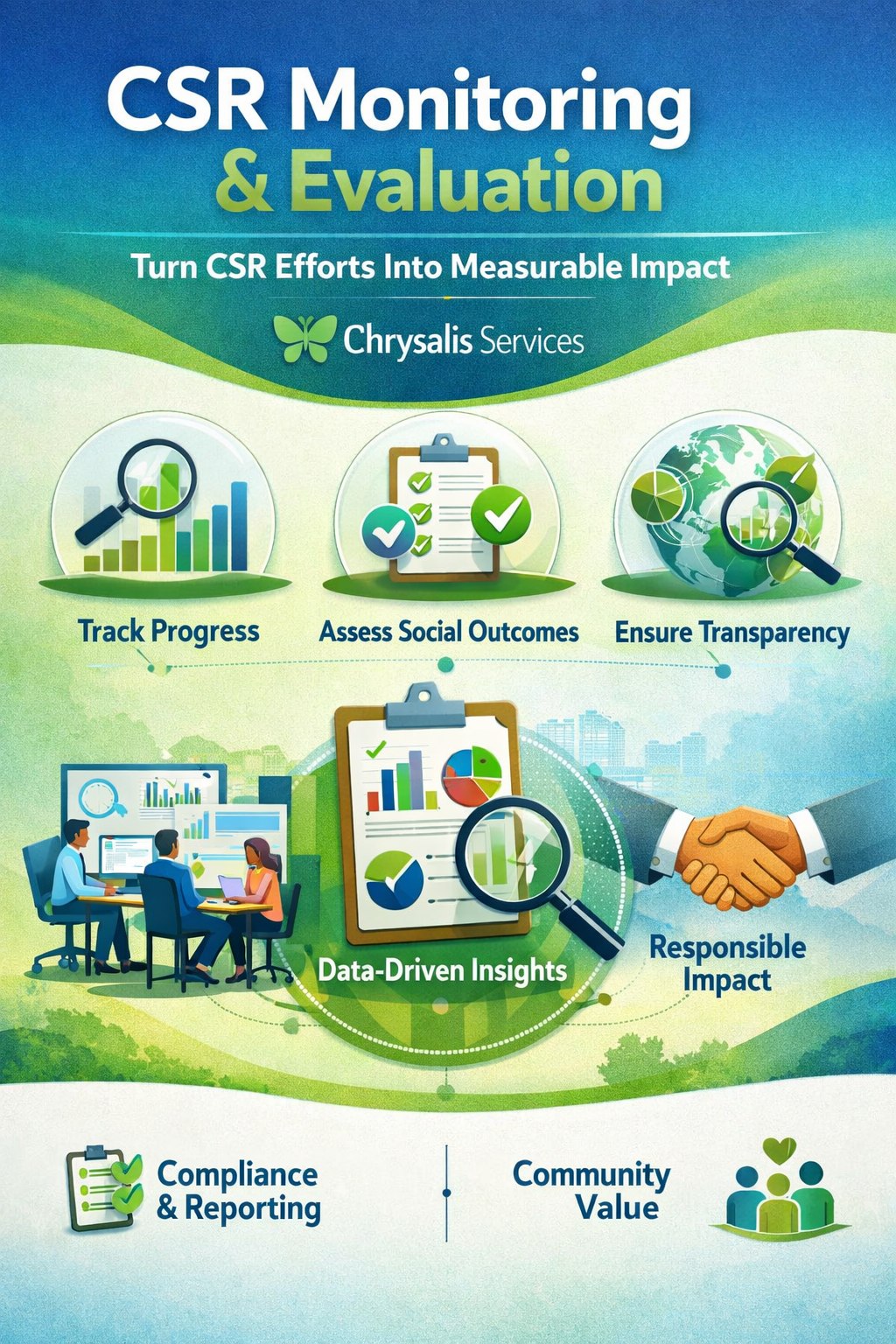
Understanding CSR and Its Role in Modern Business
Corporate Social Responsibility refers to a company’s commitment to operate ethically and contribute positively to society. This can include initiatives such as reducing carbon footprints, engaging in charitable programs, promoting employee welfare, or supporting local communities. Beyond ethical obligations, CSR can strengthen a company’s brand image, improve stakeholder relationships, and enhance employee morale.
But how does this translate to the bottom line? That’s where Social impact measurement comes into play. By analyzing the outcomes of CSR initiatives, businesses can quantify the benefits and identify which programs contribute the most to financial performance.
CSR and Brand Reputation: Building Trust Leads to Profit
One of the most direct ways CSR affects profitability is through brand reputation. Consumers today are increasingly conscious of corporate ethics. Companies that actively engage in social and environmental initiatives tend to earn trust and loyalty, which can translate into higher sales and customer retention.
For example, a company that supports local community education through scholarships or skill-building programs demonstrates genuine commitment to societal well-being. A thorough CSR Impact Assessment can quantify the increase in brand loyalty, customer satisfaction, and repeat business resulting from these initiatives. This, in turn, reflects positively on the company’s revenue growth.
Employee Engagement and Productivity
CSR doesn’t just appeal to external stakeholders; it has a profound effect internally. Employees want to work for organizations that share their values. Companies with robust CSR programs often witness higher employee engagement, lower turnover, and improved productivity.
Engaged employees are more motivated, creative, and committed to achieving organizational goals. A strategic CSR Impact Assessment can measure these workforce benefits by tracking metrics such as employee satisfaction, retention rates, and overall productivity, ultimately highlighting the indirect financial gains from socially responsible practices.
Operational Efficiency and Cost Savings
Many CSR initiatives also lead to operational efficiencies and cost savings. Sustainable practices, such as energy-efficient production, waste reduction, or responsible sourcing, not only benefit the environment but also reduce operational costs. For instance, switching to renewable energy sources or optimizing supply chain logistics can lower expenses significantly over time.
Through CSR Impact Assessment, companies can calculate the return on investment (ROI) of these initiatives, providing a clear picture of how social responsibility directly contributes to financial performance.
Risk Management and Investor Confidence
CSR also plays a critical role in risk management. Companies that neglect social and environmental responsibilities may face legal issues, regulatory fines, or reputational damage. On the other hand, firms with strong CSR policies are better equipped to mitigate risks, ensuring long-term sustainability.
Investors increasingly consider ESG (Environmental, Social, and Governance) factors when making investment decisions. Companies that demonstrate a measurable CSR Impact Assessment attract socially-conscious investors, potentially lowering capital costs and increasing access to funds.
The Bottom Line: CSR as a Strategic Advantage
A well-executed CSR Impact Assessment helps companies connect the dots between social responsibility and financial outcomes. It provides actionable insights into which initiatives generate the most value, enabling businesses to invest strategically. From enhanced brand loyalty and employee engagement to operational savings and risk mitigation, CSR has a multifaceted impact on the bottom line.
In essence, CSR is no longer an optional philanthropic activity; it is a strategic business tool. Companies that embrace it thoughtfully, measure its impact rigorously, and align it with their core objectives are likely to see tangible financial benefits alongside a positive societal impact.
Conclusion
The relationship between Corporate Social Responsibility and financial performance is clear: CSR initiatives, when planned and measured effectively through CSR Impact Assessment, can enhance profitability, strengthen stakeholder trust, and ensure sustainable growth. Businesses that ignore this vital link may miss opportunities for both societal contribution and financial gain, while those who leverage it can achieve a competitive edge in today’s socially-conscious marketplace.































Sign in to leave a comment.