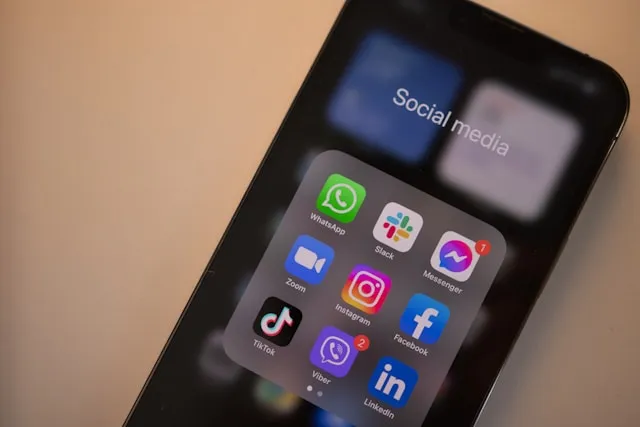

Picture: Unsplash
Creative voices drive exciting change in today’s top brands. They are the tools of marketers, designers, storytellers, influencers, as well as ordinary customers, to demonstrate brand ideas and values attractively. These creative concepts find a reflection in the hyper-connected world, establishing a close bond and brand loyalty. This article will give you clear and thought-provoking examples of how creativity affects branding.
Understanding Creative Voices
Creative voices in brand identity are all about using distinctive types of expression to speak to someone's authentic self. They can appear as a visual presentation, a captivating narrative, insightful content and merely a straightforward interaction. Each of these features impacts a brand's look and feel and connects with the audience. Be a tone using your creative voice because some words and actions will have a greater impact on your audience when they are authentic. However, your brand's creative direction should align with your values and culture. Famous brands use creative original voices to make their customers feel energized and brave.
The Role of Content Creators in Branding
Content creators are increasingly becoming essential in developing the brand identity of the brand. Their ingenious work resonates with online audiences, influences perceptions, and shapes the everyday brand image. As an example, the posts of the influencers on social media create a level of trust, which the advertising strategies cannot achieve, as it seems more personal and endowed with common experience. Brands taking a more creator-focused strategy gain in audience reach, authenticity, and interaction, making their offerings so much more attractive and engaging. Many successful collaborations are ceaselessly being made in which the creators are allowed to use their unique voice within the context of the brand.
Storytelling as a Powerful Branding Tool
When marketing work is concerned, storytelling must never be overlooked. It is an emotionally potent tool that allows you to relate to your customers. Through applying real life experiences and other storytelling methods, as a visual element of media, you will be able to connect better with your audience and make your brand feel a lot more human. Stories that were well told generate a memorable experience, not formulaic advertising slogans. Consistency in the story, in values, and message contributes towards better brand identity, regardless of the new channels or methods applied in marketing.
Creative Collaboration and Modern Platforms
Creative collaboration today has a limitless reach, and the Internet is the most essential tool in this regard. Modern digital spaces, such as social media, allow brands to interact with creative talents and initiate ground-level discussions and feedback. You can consult a reliable and professional influencer ecommerce platform that will help you to get a real customers and large group of audience. These interactions combine the creative force of individuals together with the strategic goals of a brand, thus creating a stronger public impact. Collaboration enables an instantaneous adaptation to brand expectations and customer preferences. The future promises a wider scope in such partnerships that are cooperative and significant, unlike conventional marketing styles.
Trends Shaping Brand Identities Today
Various distinct and exciting trends change modern brand identities. For instance, a notable transition can be noted as many brands are moving toward clean, minimalist styles while others dare to go outrageous and bold. There is much wider recognition given to the use of color and design as a means of establishing emotional responses and fostering brand recognition. Personalization and localization are increasingly becoming popular as brands make special offers to individual users and raise awareness of local sensibilities. Globalization and technology have given even smaller brands the opportunity to gain a global audience, but still, brands remain focused on meeting changes in their audiences' needs.
Conclusion
One of the biggest driving forces that changes the perception of brands in contemporary marketing is creativity. It is the content, storytelling, and personal outlook that come together and form an in-depth emotional attachment with the audience. Brands can achieve these creative ideas and promote collaboration to become unique and remain topical. Creativity is no longer an additional element in branding; it is already the primary difference in a fast-moving market. A brand that is expressive by being original and intrepid has the potential to leave a lasting impression on consumers.






























Sign in to leave a comment.