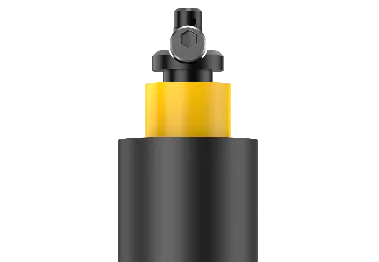

In the competitive world of modern printing, every minute of press downtime impacts productivity and profitability. One often-overlooked factor that significantly affects print quality and operational efficiency is the roller system—specifically, the rubber rollers. These essential components control ink transfer, pressure distribution, and water balance, ensuring consistent and accurate results.
While standard rollers serve well in many applications, custom rubber rollers have become increasingly popular among printing professionals seeking improved efficiency, reduced maintenance, and better performance. In this article, we explore how custom rollers can enhance productivity and why partnering with the right printing rubber roller manufacturers makes all the difference.
1. Understanding the Role of Rubber Rollers in Printing
Rubber rollers play a vital role in the offset, flexographic, and gravure printing processes. They are responsible for transferring ink and maintaining the right balance between ink and water (in offset printing). The quality and material of these rollers directly influence print consistency, color vibrancy, and the overall lifespan of printing equipment.
In every printing press, rollers undergo constant mechanical stress, heat, and exposure to chemicals. Over time, these factors cause wear, hardening, and uneven surfaces. This can lead to poor ink transfer, streaks, and the need for frequent roller replacements—all of which contribute to unnecessary downtime.
Custom rubber rollers are designed to address these issues by optimizing the roller’s design, material composition, and surface properties to match specific press requirements and production goals.
2. Benefits of Custom Rubber Rollers
Customizing your rubber rollers can bring several measurable benefits that directly improve printing efficiency. Let’s look at some of the key advantages.
a. Perfect Fit and Compatibility
Custom rollers are built to precise dimensions, ensuring perfect alignment and fit within your printing press. This eliminates vibration, slippage, and uneven ink distribution that often occur with standard, one-size-fits-all rollers.
Properly fitted rollers maintain consistent contact between surfaces, reducing mechanical wear and improving the accuracy of ink transfer—leading to sharper, cleaner prints with minimal waste.
b. Enhanced Material Durability
One of the main advantages of working with specialized printing rubber roller manufacturers is the ability to choose roller materials suited to your specific needs. Depending on your printing type—offset, gravure, or flexographic—manufacturers can select the ideal rubber compound for durability, chemical resistance, and temperature tolerance.
High-quality custom rollers resist swelling from solvents and cracking from heat exposure, extending their lifespan and minimizing the need for frequent replacements.
c. Improved Ink Transfer and Print Quality
Custom rollers ensure uniform surface texture and hardness, which are crucial for smooth ink flow. The roller’s hardness (measured in durometer) can be optimized to match your ink viscosity and substrate type, reducing ghosting, mottling, and uneven coverage.
This results in consistent color density, reduced ink consumption, and fewer print defects—saving both time and material costs.
d. Reduced Maintenance and Downtime
Standard rollers often require frequent cleaning, alignment, or early replacement due to poor compatibility or premature wear. Custom rollers, on the other hand, are engineered for your exact printing environment and workflow.
This means fewer adjustments, less downtime, and improved reliability. Over time, these small improvements translate into significant cost savings and higher productivity.
3. How Custom Rubber Rollers Reduce Downtime
Downtime in printing presses often stems from roller-related problems such as hardening, glazing, and surface wear. Custom rollers help prevent these issues by addressing the root causes:
- Optimized hardness and coating prevent roller glazing and ink buildup.
- Precision balancing reduces vibration and mechanical stress.
- Tailored rubber compounds resist chemical corrosion and temperature changes.
- Improved roller design ensures smoother operation and longer maintenance intervals.
Additionally, custom rollers can be designed for faster installation and removal, which simplifies replacement during maintenance cycles.
For instance, when using a rubber pressure roller, a custom-fit design ensures even pressure distribution and consistent contact, preventing print variations and minimizing the need for frequent readjustments.
4. Choosing the Right Manufacturer for Custom Rollers
The quality of your custom rubber rollers depends largely on the expertise and technology of your manufacturing partner. Reliable printing rubber roller manufacturers provide more than just production—they offer technical consultation, design customization, and post-installation support.
When selecting a manufacturer, consider the following factors:
- Experience and specialization in printing roller production.
- Material quality and testing standards for chemical and thermal resistance.
- Customization capabilities for roller dimensions, hardness, and coating.
- After-sales service, including refurbishment or re-coating options.
Working with a trusted manufacturer ensures your rollers meet industry standards and perform optimally under demanding printing conditions.
5. Long-Term Benefits of Customization
Though custom rubber rollers may have a slightly higher initial cost than standard rollers, they offer long-term value through:
- Extended roller lifespan.
- Reduced downtime and maintenance costs.
- Improved printing speed and color consistency.
- Lower ink and material wastage.
In high-volume printing environments, these benefits contribute to better overall equipment effectiveness (OEE) and a stronger return on investment.
Conclusion
Custom rubber rollers are more than just a component—they’re a key contributor to print precision, productivity, and profitability. By working with skilled printing rubber roller manufacturers, businesses can achieve optimized roller performance, fewer production interruptions, and longer-lasting equipment.
Whether you operate a small print shop or a large industrial press, investing in custom-designed rollers ensures smoother operations, superior print results, and minimal downtime.
With the right approach, your rubber pressure roller and other roller components can become powerful tools for efficiency and long-term success in the printing industry.
























Sign in to leave a comment.