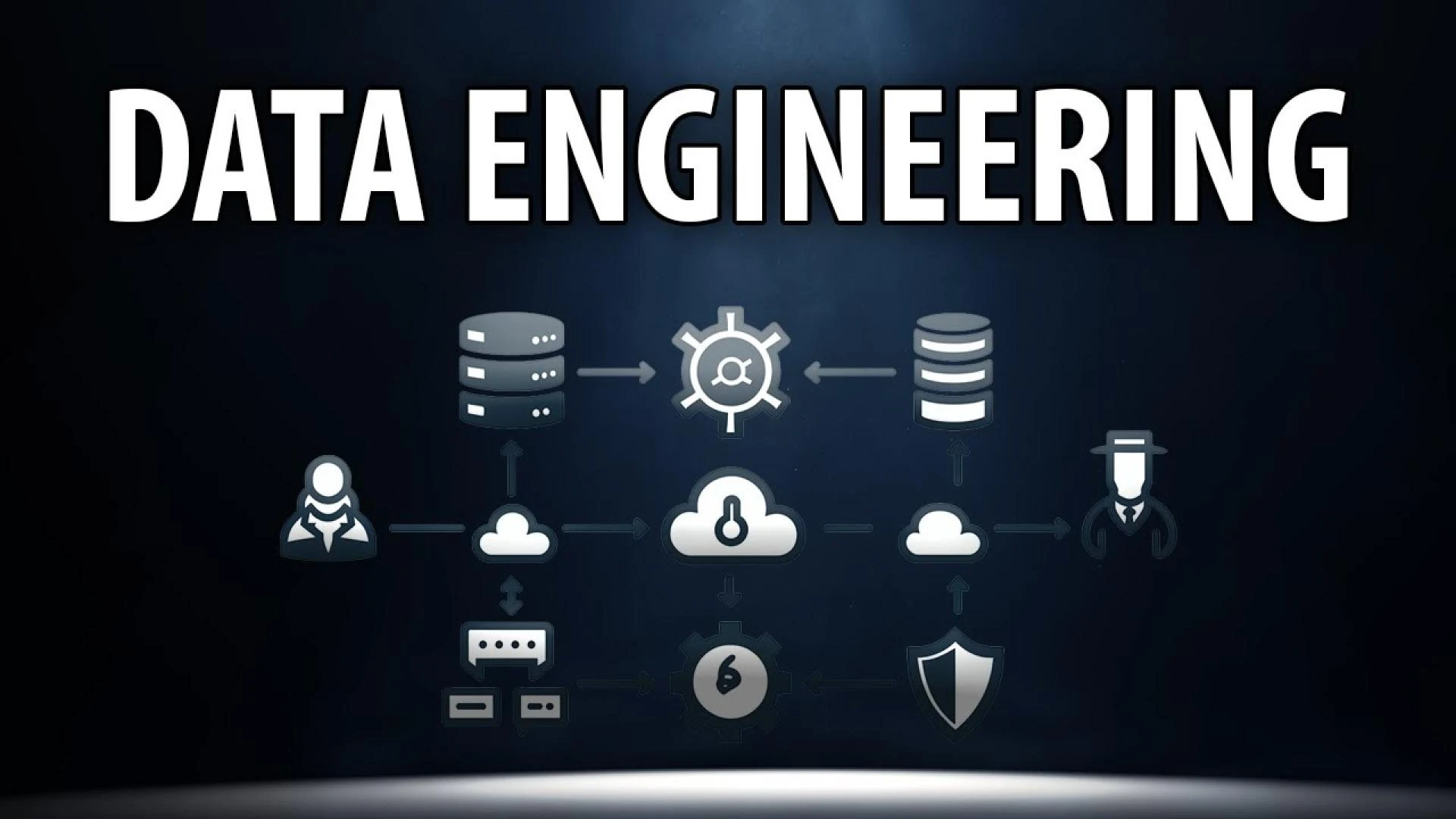

The digital age has ushered in an explosion of data, making big data and AI indispensable for businesses. Companies now rely on sophisticated data management and analytics to gain insights, improve operations, and drive innovation. However, while AI and big data offer numerous benefits, they also come with challenges that businesses must navigate.
If you're considering hiring big data developers to optimize your data management and integration, look no further—reach out to industry experts for best-in-class services. This article explores the roadblocks in AI adoption, the advantages of big data, and the essential technologies that power modern data engineering.
The Biggest Challenges in Data Engineering and AI Adoption
Data engineering and AI adoption are not without hurdles. Here are some of the most common challenges businesses face:
1. Difficulty in Accessing High-Quality Data
Data quality is the backbone of AI models. In the U.S., many companies struggle to obtain high-grade input due to outdated data management practices. Poor-quality data leads to unreliable insights, affecting decision-making and business outcomes.
2. Managing Large-Scale Data Accumulation
With over 328.77 million terabytes of data generated daily (Edge Delta), handling such vast amounts of information is a challenge. Traditional storage and processing systems often fail to manage this influx efficiently, leading to bottlenecks.
3. The Problem of Data Silos
Data silos refer to isolated pockets of information within an organization that are inaccessible to other departments. This fragmentation leads to inefficiencies, duplicated efforts, and missed opportunities for holistic insights.
4. Security and Privacy Concerns
Data security is paramount in the AI-driven world. AI models require extensive training data, often exposing sensitive information. Without robust security measures like encryption and access control, businesses risk cyberattacks and data breaches.
Types of Big Data Technologies Transforming AI and Data Engineering
The power of AI and big data lies in their ability to automate, analyze, and optimize business operations. Below are some key technologies revolutionizing the field:
1. Apache Spark
A powerful data processing engine, Apache Spark enables organizations to handle large-scale data in real time, enhancing efficiency and analytics capabilities.
2. Google BigQuery
This serverless data warehouse allows for fast SQL-based queries, making it an ideal choice for analyzing massive datasets without managing infrastructure.
3. AWS Redshift
A cloud-based data warehouse, AWS Redshift offers scalability, allowing businesses to store and analyze terabytes of data seamlessly.
4. Apache Kafka & Flink
For real-time data processing, tools like Kafka and Flink facilitate predictive maintenance, fraud detection, and AI-driven automation.
5. Apache Cassandra & MongoDB
Scalable storage management tools that provide flexible solutions for handling structured and unstructured data.
How AI and Big Data Improve Business Operations
Big data and AI together create game-changing solutions for businesses. Let’s explore how these innovations drive success:
1. Automating Repetitive Tasks
AI eliminates manual labor by automating processes such as data cleaning, integration, and transformation. This not only speeds up project delivery but also reduces the workload on engineers, allowing them to focus on strategic planning.
2. Enhancing Decision-Making with Predictive Analytics
Predictive analytics is a major breakthrough powered by AI. By analyzing historical data, businesses can:
- Identify trends and patterns
- Make accurate predictions
- Optimize resources for better outcomes
3. Faster Data Processing and Organization
AI-powered data pipelines structure raw data into organized formats, enabling real-time processing and analytics. This enhances decision-making and efficiency.
4. Reducing Risks and Enhancing Security
Big data tools detect anomalies in real-time, allowing businesses to identify potential security threats, fraud, or system failures before they escalate.
How Big Data and AI Are Reshaping Data Engineering
Big data has evolved to address the inefficiencies of traditional data processing methods. Let’s look at how companies are leveraging modern tools for better data management:
1. Scaling Data Pipelines for Efficient Processing
Thanks to Apache Spark, Google BigQuery, and AWS Redshift, businesses can now scale horizontally, handling enormous data volumes effortlessly.
2. Enabling Real-Time Data Processing
With tools like Kafka and Flink, companies can execute real-time predictive analytics, fraud detection, and automated workflows.
3. Managing Unstructured Data with Advanced Storage Solutions
Technologies like MongoDB and Apache Cassandra allow firms to manage vast amounts of unstructured data efficiently.
Why You Should Hire Expert Big Data Developers
If your company is looking to harness the power of AI and big data, hiring expert data engineers is essential. Here’s why:
- Expert developers ensure seamless data integration and management.
- They help in adopting cutting-edge AI and big data technologies tailored to your business.
- Faster project delivery and optimized workflows improve overall productivity.
Don’t struggle with data complexities—hire skilled big data experts today and streamline your business operations!
Conclusion
Big data and AI are transforming industries, automating workflows, enhancing decision-making, and improving security. However, businesses must navigate challenges such as data silos, security risks, and real-time processing hurdles to maximize AI potential. By leveraging modern big data technologies, companies can scale their operations and gain a competitive edge in the digital age.
If you’re looking to optimize your data management strategies, partner with industry-leading big data experts to achieve seamless integration, enhanced productivity, and cutting-edge analytics.
FAQs
1. What is the biggest challenge in AI adoption for businesses?
The biggest challenge is accessing high-quality data for training AI models. Many businesses struggle with poor data management practices, leading to unreliable insights.
2. How do big data technologies improve security?
Big data tools identify anomalies in real-time, enabling companies to detect fraud, prevent cyberattacks, and enhance data encryption and access control.
3. Why is real-time data processing important?
Real-time data processing ensures faster decision-making, fraud detection, and predictive analytics, helping businesses stay ahead of competitors.
4. How does AI help in automating repetitive tasks?
AI-powered algorithms clean, structure, and analyze vast data sets, reducing manual workload and improving efficiency.
5. What are the best big data tools for businesses?
Apache Spark, Google BigQuery, AWS Redshift, Kafka, Flink, MongoDB, and Cassandra are among the top big data tools that streamline data management and analytics.




























Sign in to leave a comment.