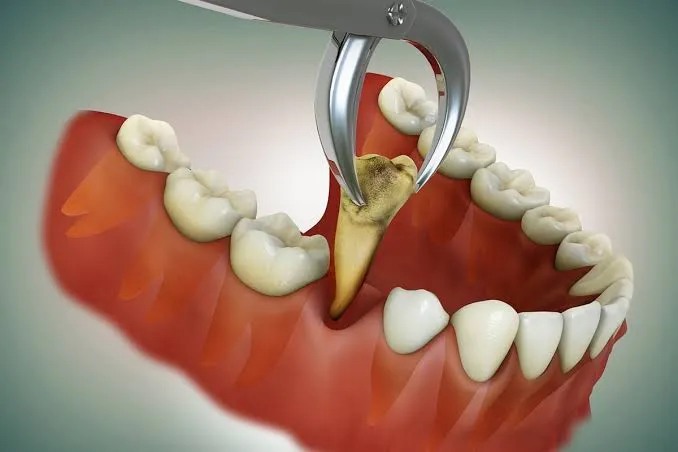

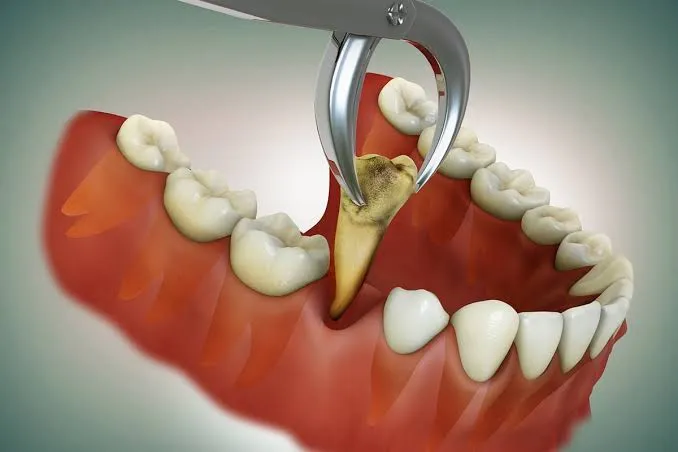
Most people prefer to avoid tooth extraction whenever possible, and dental professionals generally work hard to preserve natural teeth through restorative treatment whenever viable options remain. However, there are situations in which removing a severely damaged, infected, or problematic tooth is the healthiest long-term decision. When patients postpone recommended extraction, the issue often extends far beyond the single affected tooth. Delaying treatment can begin impacting neighboring teeth, the surrounding bone structure, gum health, and overall oral stability.
Consulting an experienced implant dentist in Webster, you often learn that untreated problem teeth can trigger a chain reaction affecting the rest of the mouth. While many people hesitate when extraction is recommended, timely tooth extraction can often prevent more serious complications that may eventually require far more extensive restorative treatment. Understanding how delayed tooth removal affects surrounding teeth helps patients make informed decisions before small problems become larger concerns.
Infection Can Spread to Nearby Teeth
One of the most serious risks of delaying tooth extraction involves the spread of bacterial infection. Severely decayed or damaged teeth often allow bacteria to penetrate deep into the inner pulp and surrounding tissues.
If left untreated, an infection can gradually spread beyond the affected tooth and begin to impact nearby teeth, gum tissue, and even the underlying jawbone. What initially affects one tooth can eventually place several surrounding teeth at risk of developing infection as well. Patients considering tooth extraction in Webster often discover that early intervention helps isolate the problem before neighboring teeth become compromised.
Surrounding Teeth May Shift Out of Position
Problem teeth that are severely fractured, weakened, or partially broken often create changes in bite pressure across surrounding teeth. Patients may unconsciously begin chewing differently to avoid discomfort, placing uneven force on nearby teeth over time.
Additionally, infected or structurally unstable teeth can gradually weaken the surrounding support system, affecting alignment and long-term bite stability. A trusted implant dentist in Webster often evaluates how delaying treatment could eventually create larger alignment problems that extend beyond the original tooth.
Bone Damage Can Develop Around the Affected Area
When a severe infection or advanced decay goes untreated for too long, the surrounding bone tissue may begin to deteriorate as bacteria spread deeper beneath the gums. Bone loss near one compromised tooth can eventually reduce support for adjacent healthy teeth, weakening the overall stability of that section of the mouth. The longer the infection remains active, the greater the risk of permanent damage to surrounding bone structures. Early tooth extraction in Webster often helps stop this progression before larger structural damage occurs.
Delayed Treatment Can Limit Future Restoration Options
Many patients delay extraction because they hope to avoid losing the tooth entirely. However, waiting too long sometimes creates complications that make future restorative treatment more difficult.
Severe bone loss or widespread infection may require additional procedures such as bone grafting, before replacement options become available. Patients planning for future implants often benefit from removing compromised teeth before extensive damage develops. An experienced dentist can often preserve more treatment options when extraction happens at the appropriate time.
Early Action Protects Overall Oral Health
Tooth extraction is never recommended casually. Dental professionals typically suggest removal only when preserving the tooth is no longer the healthiest option. Acting early often prevents widespread complications while protecting surrounding healthy teeth. Timely treatment allows the mouth to heal properly and helps patients move forward with restorative solutions that preserve long-term oral health.
Conclusion
Delaying necessary tooth removal can create far more serious problems than many patients realize. Untreated infection can spread, surrounding teeth may shift, bone loss can develop, and future restorative options may become more complicated. Patients consulting an experienced dentist should understand that timely tooth extraction in Webster often protects not just one tooth, but the health and stability of the entire mouth. In many cases, early action is the right way to preserve long-term oral health and avoid larger dental complications later.


























Sign in to leave a comment.