
For decades, individuals with missing teeth had limited options to restore their smiles and improve their oral health. Dentures and bridges were the primary solutions, but they often came with drawbacks such as discomfort, reduced functionality, and the potential for further damage to surrounding teeth. Today, dental implants are transforming the way missing teeth are treated, offering patients a more permanent, effective, and natural-looking solution. This article will explore how dental implants are revolutionizing the treatment of missing teeth, providing unparalleled benefits to patients worldwide.
What Are Dental Implants?
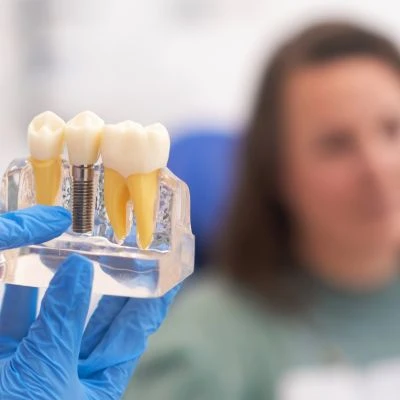
Dental implants are advanced dental solutions designed to replace missing teeth by placing a small titanium post into the jawbone, which acts as the root of the missing tooth. After the implant fuses with the bone in a process called osseointegration, a custom-made crown is attached to the post to complete the restoration. This permanent solution looks and functions like a natural tooth, providing a durable, comfortable, and aesthetically pleasing replacement for a missing tooth.
Unlike traditional bridges or dentures, dental implants are independent of surrounding teeth and provide a foundation for prosthetic teeth that mimics the natural tooth structure. As a result, dental implants are not only more stable but also contribute to improved overall oral health by preventing bone loss, preserving facial structure, and maintaining the natural appearance of the smile.
The Role of Dental Implants in Restoring Oral Health
Preservation of Jawbone Health One of the most significant advantages of dental implants over traditional treatments is their ability to prevent jawbone resorption. When a tooth is lost, the bone in the jaw can begin to shrink or deteriorate due to the lack of stimulation from the tooth root. This can lead to further tooth loss, changes in facial appearance, and even difficulty with eating and speaking.
Dental implants solve this issue by mimicking the function of a natural tooth root. As the titanium implant integrates with the jawbone, it stimulates bone growth and helps preserve the bone’s density. This not only prevents bone loss but also supports the structural integrity of the face, ensuring that the mouth remains healthy and functional in the long term.
Improved Functionality and Comfort Dental implants provide a level of stability and comfort that traditional dentures and bridges simply cannot match. Unlike removable dentures, which can slip, shift, or cause irritation, implants are securely anchored into the jawbone. This eliminates the need for adhesives or worry about the restoration moving during daily activities such as eating, speaking, or smiling.
For many patients, this increased stability allows them to enjoy a wider variety of foods, speak clearly, and feel more confident in social settings. The level of comfort and functionality offered by dental implants has made them the preferred choice for individuals who want to restore their oral health without compromising their lifestyle.
Enhanced Aesthetics Dental implants provide a more natural and aesthetically pleasing result compared to traditional treatments. Because the implant integrates directly with the jawbone, the crown placed on top looks and feels like a real tooth. Implants are custom-made to match the color, shape, and size of the surrounding teeth, ensuring a seamless fit within the smile.
Unlike bridges, which rely on the adjacent teeth for support, implants do not require alterations to neighboring teeth. This means that the natural teeth are left intact, reducing the risk of damage or decay. The result is a restored smile that looks and functions like natural teeth, giving patients a boost in confidence and self-esteem.
Long-Term Durability and Reliability Dental implants are built to last. With proper care, implants can provide a permanent solution for missing teeth. The titanium material used in implants is highly durable, resistant to decay, and capable of withstanding the pressure of biting and chewing. Implants do not need to be replaced regularly, unlike dentures or bridges, which may need repairs or adjustments over time.
This long-term durability makes dental implants a cost-effective solution in the long run. While the initial investment may be higher compared to dentures or bridges, implants eliminate the need for future replacements or repairs, offering a one-time, long-lasting solution for missing teeth.
Improved Confidence and Quality of Life Beyond the physical benefits, dental implants also have a significant impact on a patient’s mental and emotional well-being. Missing teeth can lead to self-consciousness, embarrassment, and a loss of confidence, which may prevent individuals from enjoying social events or interacting comfortably with others.
Dental implants restore the smile, improve facial appearance, and give individuals the confidence to smile, laugh, and speak freely. The improvement in appearance and functionality leads to a better quality of life, as patients can enjoy life without worrying about their teeth or feeling self-conscious about their appearance.
The Benefits of Dental Implants in the Modern Era
In addition to their functional and aesthetic benefits, dental implants have evolved to become a more efficient, accessible, and effective treatment option for a wider range of patients. Modern techniques and advanced technologies have made the dental implant process more predictable, less invasive, and faster than ever before.
Minimally Invasive Techniques With the development of minimally invasive techniques, dental implant placement has become more efficient and less traumatic for patients. Computer-guided implant surgery, for example, allows for precise planning and placement of the implant, reducing the need for extensive incisions or stitches. This results in quicker recovery times and a lower risk of complications.
Faster Healing and Recovery Advancements in technology have also contributed to faster healing times for patients undergoing dental implant procedures. With improved materials, surgical techniques, and post-operative care, patients experience less discomfort and can resume normal activities sooner. Many patients report feeling comfortable within just a few days of surgery, with full recovery typically occurring within a few months.
Increased Accessibility Dental implants are no longer considered a treatment reserved for only the healthiest individuals. With bone grafting and sinus lift procedures, even patients with insufficient bone density or who have been missing teeth for a long period can now qualify for dental implants. These procedures help to build up the bone in the jaw, making it possible to place implants in patients who were once considered ineligible.
Technological Innovations in Implant Design New materials and improved design innovations have made dental implants even more durable and aesthetically pleasing. The use of advanced ceramics, zirconia, and hybrid materials has enhanced the strength, longevity, and natural appearance of implants. Additionally, the advent of 3D printing and digital imaging has made implant planning more precise, ensuring that patients receive the best possible treatment for their specific needs.
Conclusion
Dental implants are revolutionizing the treatment of missing teeth by offering patients a permanent, effective, and aesthetically pleasing solution that improves both oral health and quality of life. By preserving jawbone health, enhancing functionality, and providing a natural-looking restoration, dental implants have become the gold standard in tooth replacement. With ongoing advancements in technology and surgical techniques, dental implants continue to evolve, making them an even more accessible and reliable option for patients seeking to restore their smiles and regain their confidence.
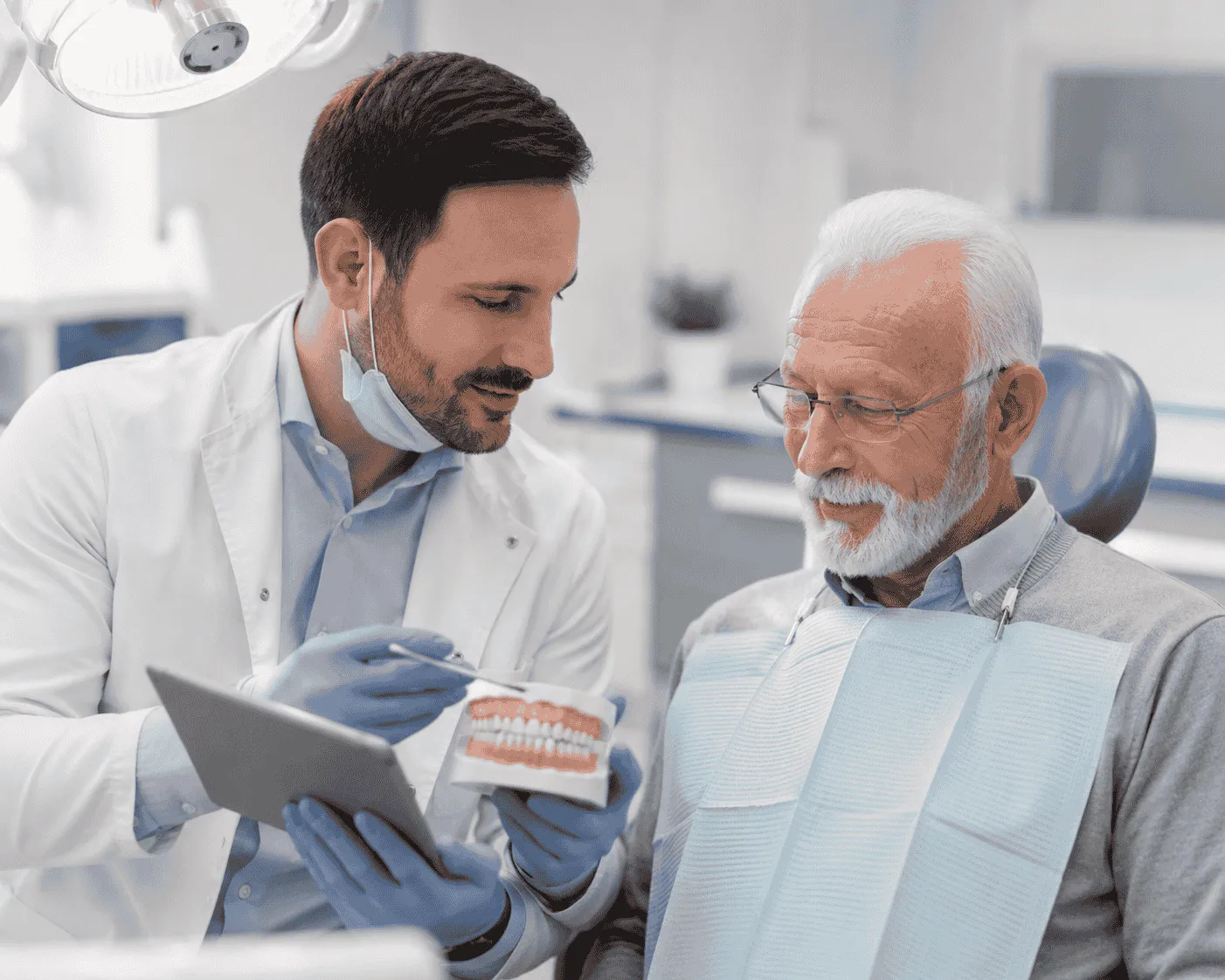
For those considering dental implants, it’s essential to consult with an experienced dental professional who can assess your oral health and guide you through the process to achieve the best possible results. Whether you are missing a single tooth or need multiple implants, dental implants are changing the landscape of restorative dentistry, offering patients the opportunity to enjoy a healthy, beautiful smile for years to come.



























Sign in to leave a comment.