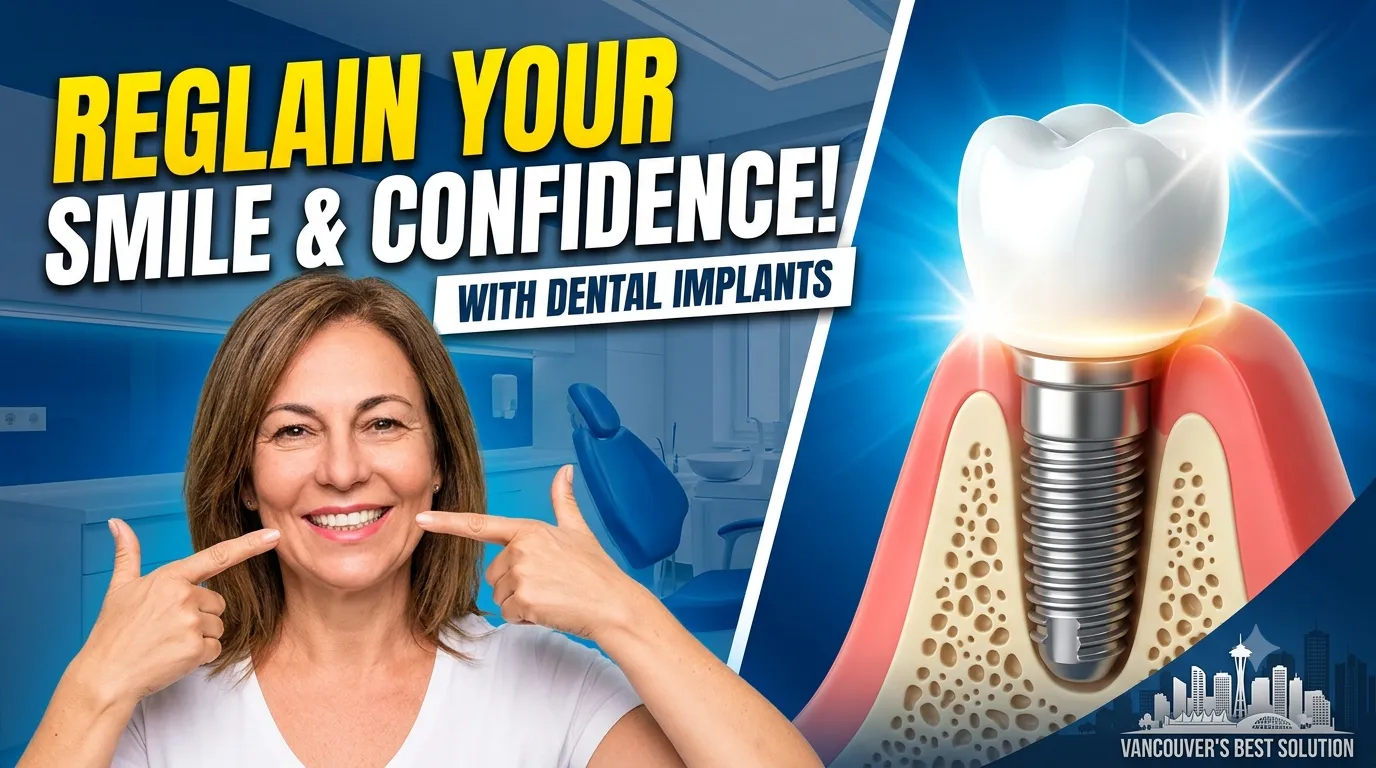

Missing teeth can affect much more than your appearance. They can make eating difficult, change the way you speak, and even impact your confidence in social situations. Fortunately, dental implants in vancouver have become one of the most reliable and long-lasting solutions for replacing missing teeth. Unlike removable dentures or traditional bridges, dental implants are designed to function like natural teeth, providing strength, stability, and a natural-looking smile. Whether you have lost one tooth or several, understanding how dental implants work can help you make an informed decision about restoring your oral health.
What Are Dental Implants?
Dental implants are artificial tooth roots made from biocompatible titanium or similar materials. These small posts are surgically placed into the jawbone, where they gradually fuse with the bone through a natural process called osseointegration. Once the implant has healed, a custom-made crown, bridge, or denture is attached, creating a restoration that looks and functions like a natural tooth.
Because implants become part of the jawbone, they offer greater stability than many other tooth replacement options. Patients can eat, smile, and speak confidently without worrying about movement or discomfort.
Why Are Dental Implants Considered the Gold Standard?
Dental implants have gained popularity because they address both the visible and hidden effects of tooth loss. Unlike traditional solutions that only replace the visible tooth, implants also replace the missing root, helping maintain jawbone health.
Studies have shown that dental implants have success rates exceeding 95% when properly planned and maintained. This makes them one of the most predictable and durable treatments available in modern dentistry.
Benefits of Dental Implants
One of the biggest advantages of dental implants vancouver patients appreciate is their ability to restore everyday comfort and confidence.
Dental implants improve chewing efficiency, allowing you to enjoy a wider variety of foods without discomfort. They also support clear speech because they remain firmly in place. Unlike removable dentures, implants eliminate concerns about slipping while talking or eating.
Another significant benefit is bone preservation. When a tooth is lost, the surrounding jawbone begins to shrink over time. Since implants stimulate the jawbone similarly to natural tooth roots, they help reduce bone loss and preserve facial structure.
Additionally, implants are designed for long-term durability. With proper oral hygiene and regular dental checkups, they can last for decades, making them a worthwhile investment in your oral health.
Who Is a Good Candidate for Dental Implants?
Many adults with one or more missing teeth may be suitable candidates for dental implants. Ideal candidates generally have healthy gums, sufficient jawbone density, and good overall health.
Even if bone loss has already occurred, modern procedures such as bone grafting may make implant treatment possible. During a comprehensive dental examination, your dentist evaluates your oral health, medical history, and bone condition before recommending the most suitable treatment plan.
Smoking, uncontrolled diabetes, or certain medical conditions may require additional planning, but they do not always prevent successful implant treatment.
Understanding the Dental Implant Process
The implant journey involves several carefully planned stages to ensure long-term success.
The first step includes a detailed examination with digital imaging to evaluate bone quality and identify the ideal implant placement. Once the treatment plan is finalized, the implant is surgically placed into the jawbone using precise techniques.
Over the next several months, the implant naturally bonds with the surrounding bone. After complete healing, an abutment is attached, followed by a custom-made crown that blends seamlessly with your natural teeth.
Although the entire process takes several months, the result is a stable, natural-looking tooth replacement that can last for many years.
Caring for Dental Implants
Maintaining dental implants is surprisingly simple. Daily brushing, flossing, and regular professional cleanings help keep the surrounding gums healthy and reduce the risk of complications.
Unlike natural teeth, implants cannot develop cavities. However, gum disease around implants can still occur if oral hygiene is neglected. Regular dental visits allow your dentist to monitor implant health and address any concerns early.
Using a soft-bristled toothbrush, avoiding tobacco products, and following your dentist's recommendations all contribute to long-term implant success.
When Missing Teeth Become a Dental Emergency
While missing teeth are often planned for replacement, certain situations require immediate dental care. A tooth knocked out during an accident, severe pain, infection, or swelling should never be ignored.
In these situations, seeking prompt treatment from an emergency dentist in vancouver bc can help protect your oral health and improve treatment outcomes. Immediate care may save a damaged tooth or prevent serious complications before implant treatment is considered.
For example, someone who experiences a sports injury may first need emergency treatment to control bleeding, stabilize damaged teeth, and treat infection before beginning implant planning.
Are Dental Implants Worth the Investment?
Although dental implants may involve a higher initial cost than other tooth replacement options, many patients find them cost-effective over time. Traditional bridges or removable dentures may require replacement or adjustments after several years, whereas implants often provide decades of reliable function.
Beyond financial considerations, many patients value the improved quality of life that comes from eating comfortably, smiling confidently, and maintaining healthy jawbone structure.
When viewed as a long-term investment in oral health, implants often provide exceptional value.
Tips for Long-Term Implant Success
Successful dental implant treatment depends on both professional care and personal habits. Attend regular dental checkups, brush and floss consistently, avoid smoking whenever possible, and wear a mouthguard during sports activities if recommended.
Maintaining overall health also supports implant success. Balanced nutrition, good diabetes management, and healthy lifestyle choices contribute to faster healing and stronger gum health.
Following your dentist's aftercare instructions carefully during the healing phase significantly improves the likelihood of lasting results.
Conclusion
Replacing missing teeth is about much more than restoring your smile—it also protects your oral health, preserves your jawbone, and improves your overall quality of life. Modern dental implants in vancouver offer a dependable, natural-looking solution that can restore confidence for years to come. If you experience sudden tooth loss, severe dental pain, or trauma before beginning implant treatment, seeking care from an emergency dentist vancouver, emergency dentists vancouver, or a qualified vancouver emergency dentist is essential for protecting your oral health and achieving the best possible outcome.
FAQs
Can dental implants replace multiple missing teeth?
Yes. Dental implants can support single crowns, bridges, or even full-arch restorations, depending on the number of missing teeth.
Is getting dental implants painful?
Most patients experience minimal discomfort during the procedure because local anesthesia is used. Mild soreness afterward is usually manageable with prescribed or over-the-counter medication.
How long do dental implants last?
With proper care and regular dental visits, dental implants can last 20 years or longer, and many patients enjoy them for a lifetime.
How soon after tooth loss should I get an implant?
Earlier evaluation is generally beneficial because prolonged tooth loss can lead to bone loss. However, many patients remain candidates even years later with appropriate treatment planning.
Where can I learn more about dental implants?
Consult a qualified dental professional for personalized advice. You can also refer to trusted educational resources such as the American Dental Association or your country's recognized dental health organizations for evidence-based information.




























Sign in to leave a comment.