
Missing teeth affect more than just your smile. They influence how you chew, speak, and even how your jawbone maintains its strength over time. While traditional solutions like bridges and dentures restore appearance and some function, dental implants go a step further. They actively support oral health and preserve jawbone structure in ways no other tooth replacement option can.
In this article, we’ll explore how dental implants work, why they are considered the gold standard in tooth replacement, and how they help protect both your oral health and jawbone strength for the long term — especially when performed by a skilled implantologist.
Understanding What Happens After Tooth Loss
When a natural tooth is lost, the root is also lost. The root plays a critical role beyond holding the tooth in place—it stimulates the jawbone through daily chewing and biting. This stimulation signals the body to maintain bone density in that area.
Without a tooth root, the jawbone begins to deteriorate in a process known as bone resorption. Over time, this can lead to:
- Shrinking or thinning of the jawbone
- Changes in facial appearance (sunken cheeks or premature aging)
- Shifting of surrounding teeth
- Bite misalignment
- Difficulty chewing
A qualified implantologist understands these structural changes and plans treatment specifically to prevent long-term bone deterioration.
What Are Dental Implants?
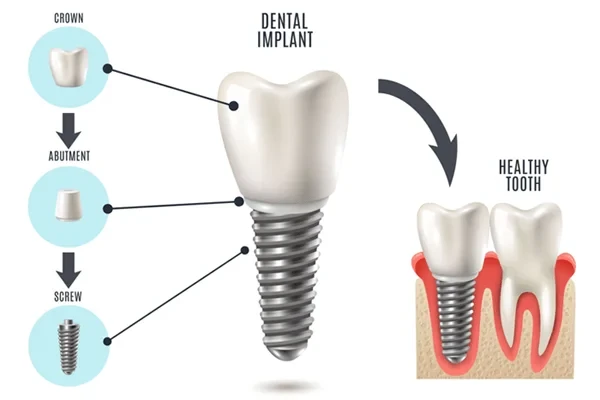
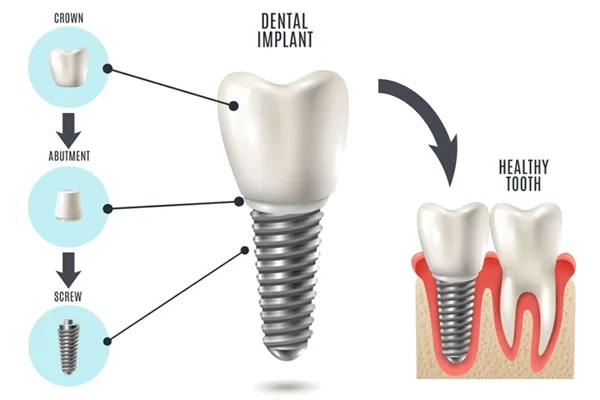
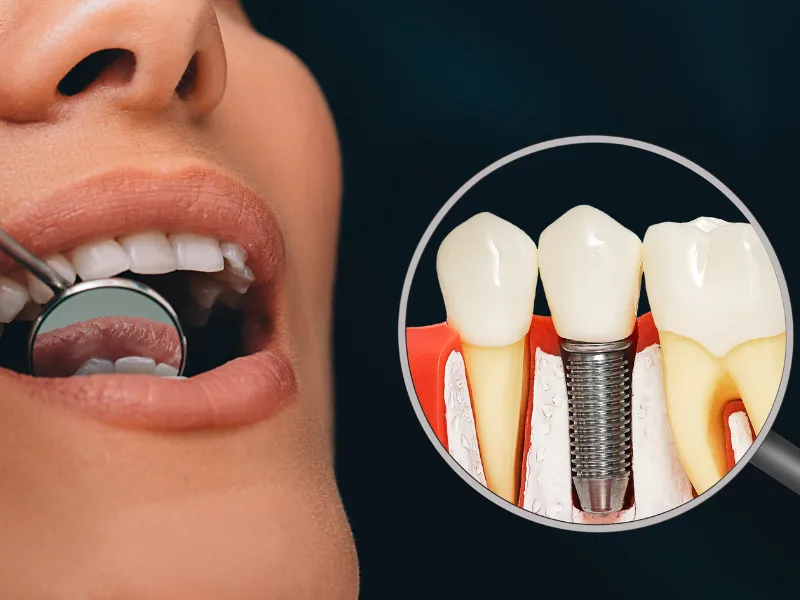
Dental implants are small, biocompatible titanium posts surgically placed into the jawbone to replace missing tooth roots. Once healed, they serve as a stable foundation for crowns, bridges, or full-arch restorations.
Unlike dentures or traditional bridges, implants integrate with the bone in a process called osseointegration. This fusion allows the implant to function like a natural tooth root, providing both stability and stimulation to the jawbone.
1. Preservation of Jawbone Density
One of the most important health benefits of dental implants is their ability to prevent bone loss.
When an implant is placed, it restores the natural stimulation that the jawbone needs. Every time you chew, gentle pressure transfers through the implant into the bone. This mechanical stimulation encourages bone maintenance and growth.
Over time, this helps:
- Maintain bone volume
- Prevent jaw shrinkage
- Preserve natural facial contours
- Reduce the risk of further tooth loss
Traditional dentures sit on top of the gums and do not stimulate the jawbone. As a result, bone loss continues underneath them. Implants, however, actively protect bone health.
An experienced implantologist carefully evaluates bone density, gum health, and overall oral condition before recommending implant placement.
2. Protection of Adjacent Teeth
Tooth loss often creates a domino effect in the mouth. When there is a gap:
- Adjacent teeth may shift into the empty space
- Opposing teeth may over-erupt
- Bite alignment can change
Unlike traditional bridges, which require grinding down neighboring healthy teeth for support, dental implants stand independently. They do not rely on adjacent teeth for stability.
This means:
- Healthy enamel remains untouched
- The natural tooth structure is preserved
- Long-term oral health is better maintained
By preventing tooth movement and preserving surrounding structures, implants help keep your entire mouth healthier.
3. Improved Chewing Function
Chewing efficiency plays a major role in overall health. When teeth are missing, people often avoid certain foods—especially those that are harder or require more force to chew. This can limit nutritional intake.
Dental implants restore nearly full chewing power compared to natural teeth. Because they are anchored directly into the jawbone, they provide exceptional stability. Patients can comfortably enjoy:
- Crunchy fruits and vegetables
- Lean proteins
- Nuts and whole grains
Better chewing function leads to improved digestion and better overall health.
If you are searching for an experienced implantologist in Bhubaneswar, it is essential to select a clinic that combines advanced technology with personalized treatment planning. Professional evaluation, digital imaging, and careful assessment of bone density are key factors in achieving predictable results.
At The Partha’s Dental Implant Clinic, patients receive comprehensive implant consultations designed to evaluate bone health, gum condition, and overall oral stability before proceeding with treatment. Expert guidance helps ensure that each implant supports both functional and structural integrity of the jaw.
4. Enhanced Gum Health
Gaps left by missing teeth can trap food particles and bacteria, increasing the risk of gum disease. Additionally, ill-fitting dentures can cause gum irritation and inflammation.
Dental implants:
- Fill the gap completely
- Reduce food trapping
- Allow easier cleaning
- Support healthy gum tissue contours
Since implants are cleaned just like natural teeth—through brushing, flossing, and regular dental visits—they promote better hygiene and reduce the risk of periodontal disease.
Healthy gums are essential for maintaining the stability of both natural teeth and implants.
5. Prevention of Facial Collapse
Many people don’t realize that tooth loss affects facial structure. The jawbone supports the lower third of the face. When bone resorption occurs, the face may appear:
- Sunken
- Aged
- Less defined
Dental implants help preserve the underlying bone, which maintains facial height and natural contours. This prevents the “collapsed” appearance often associated with long-term denture wear.
The result is not only improved oral health but also a more youthful and confident appearance.
6. Long-Term Stability and Durability
Dental implants are designed to be a long-term solution. With proper care and maintenance, they can last decades—often a lifetime.
Because implants integrate with the bone:
- They do not slip or shift
- They do not require adhesives
- They feel natural and secure
This stability encourages normal function, which further supports bone health over time.
7. Supporting Full-Arch Restorations
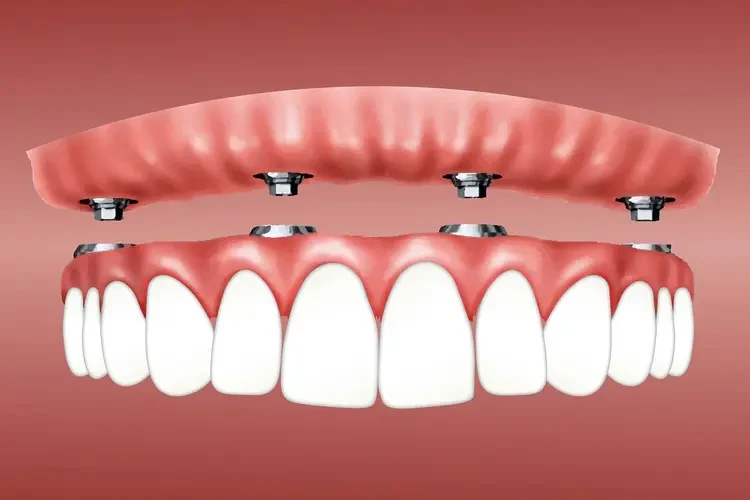
For patients missing multiple teeth or an entire arch, advanced implant techniques such as the All-on-4 dental implant technique provide comprehensive restoration using strategically placed implants.
This approach:
- Restores full chewing ability
- Stimulates the jawbone across the arch
- Prevents widespread bone loss
- Provides a fixed, stable solution
Compared to traditional full dentures, implant-supported restorations dramatically improve both function and bone preservation.
Who Is a Good Candidate for Dental Implants?
Most healthy adults with sufficient jawbone density are good candidates for implants. Even patients who have experienced bone loss may qualify with procedures like bone grafting.
Ideal candidates typically:
- Have healthy gums
- Do not smoke or are willing to quit
- Maintain good oral hygiene
- Are in overall good health
A thorough evaluation by an implantologist determines the best treatment plan for long-term success.
The Bigger Picture: Oral Health and Overall Health
Oral health is closely connected to overall health. Chronic inflammation, gum disease, and poor chewing function can impact systemic conditions such as heart disease and diabetes.
By restoring stability, improving hygiene access, and preserving jawbone structure, dental implants contribute to a healthier oral environment—and potentially better general health outcomes.
Dental implants do far more than replace missing teeth. They restore function, preserve jawbone strength, protect surrounding teeth, and maintain facial structure. Unlike temporary or removable solutions, implants address the root cause of bone loss by replicating the natural tooth root.
If you are missing one or more teeth, consulting with an experienced implantologist can help you understand whether dental implants are the right solution for you. Investing in implants is not just about aesthetics—it’s about protecting your long-term oral health and maintaining a strong, healthy foundation for your smile.
A confident smile begins with a strong jawbone—and dental implants make that possible.
Original Sources : - How Dental Implants Improve Oral Health and Jawbone Strength




























Sign in to leave a comment.