
Understanding the UAE Real Estate Market
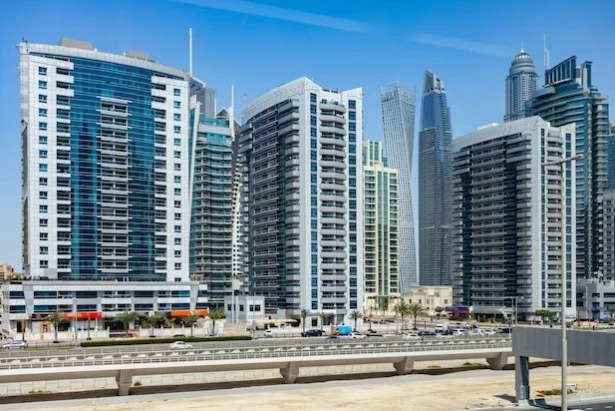
The United Arab Emirates (UAE) is home to a diverse real estate market that attracts investors, residents, and businesses alike, particularly those looking for apartments in Abu Dhabi. Each emirate has its unique property landscape, with varying price points, amenities, and investment opportunities. When comparing apartment prices, Abu Dhabi stands out due to its position as the capital city and its high-quality infrastructure.
Factors Influencing Apartment Prices in Abu Dhabi
Several factors determine the cost of Abu Dhabi apartments, including location, amenities, demand, and government regulations. Here are the primary elements affecting apartment prices:
Location and Neighborhood
Abu Dhabi offers a range of residential areas, from luxurious waterfront properties on Al Reem Island to budget-friendly apartments in Khalifa City. High-end developments tend to have higher price tags, similar to premium areas in Dubai, such as Downtown Dubai and Palm Jumeirah.
Amenities and Infrastructure
Abu Dhabi is known for its world-class infrastructure, well-planned communities, and excellent facilities. Many apartment buildings come with swimming pools, gyms, and security services. These amenities contribute to higher property values when compared to cities like Sharjah or Ajman, where developments may not always include such features.
Demand and Investment Potential
Being the political and administrative center of the UAE, Abu Dhabi attracts professionals and expatriates looking for stable housing options. The city’s real estate sector is also supported by government initiatives encouraging foreign investment, making it a desirable choice compared to other emirates.
Comparing Apartment Prices: Abu Dhabi vs. Other UAE Cities
Abu Dhabi vs. Dubai
Dubai is the closest competitor to Abu Dhabi in terms of real estate pricing. While both cities offer luxury apartments, Dubai generally has a wider range of options, including more affordable choices in areas like Jumeirah Village Circle and International City. In contrast, Abu Dhabi maintains a more stable pricing structure, with fewer fluctuations in the market.
Abu Dhabi vs. Sharjah
Sharjah is known for its affordability, making it a preferred choice for families and individuals seeking budget-friendly housing. Compared to Abu Dhabi apartments, properties in Sharjah are significantly cheaper. However, Sharjah has strict regulations, such as bans on alcohol consumption, which may deter some expatriates from settling there.
Abu Dhabi vs. Ajman
Ajman is the most affordable emirate in the UAE when it comes to apartment prices. The city attracts residents looking for economical housing while still having access to Dubai and Sharjah. However, Ajman’s real estate market lacks the high-end developments and premium lifestyle offerings found in Abu Dhabi.
Role of Real Estate Companies in Abu Dhabi
With numerous properties available, navigating the market can be overwhelming for buyers and investors. Real estate companies in Abu Dhabi play a crucial role in helping individuals find suitable apartments, providing insights on market trends, and ensuring legal compliance. These agencies assist with property management, rentals, and sales, making the process smoother for both residents and investors.
Conclusion
When comparing apartment prices across the UAE, Abu Dhabi remains one of the most premium locations, offering stability, luxury, and excellent infrastructure. While other cities like Dubai provide more variety, and Sharjah and Ajman offer affordability, Abu Dhabi balances quality and long-term investment potential. Whether looking to rent or buy, understanding the market dynamics is essential for making an informed decision.





























Sign in to leave a comment.