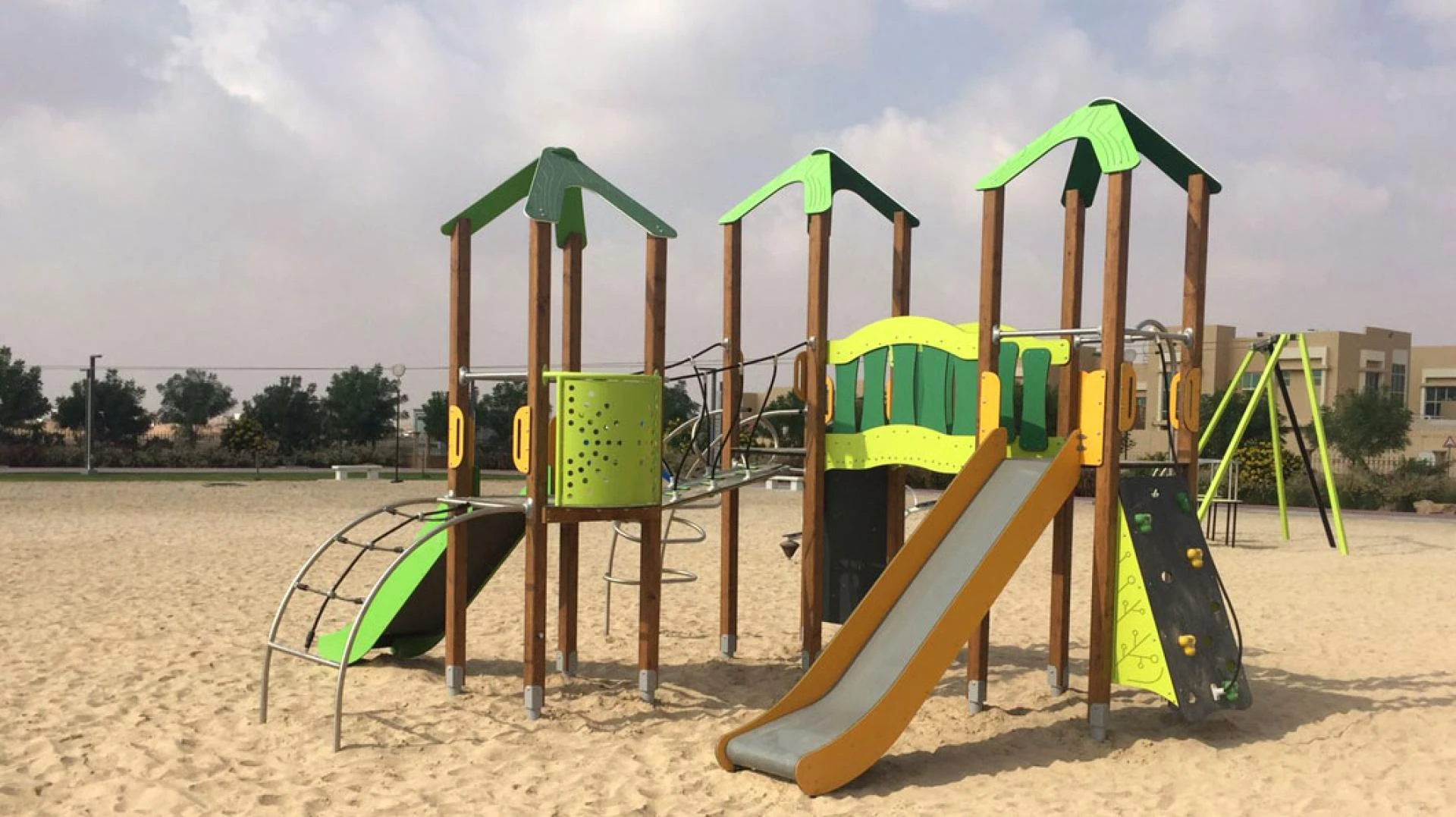
Safety is the foundation of every successful playground project. A reliable childrens play equipment supplier UAE must understand that playgrounds are not just recreational spaces. They are environments where children grow physically, socially, and emotionally. Because of this responsibility, suppliers must follow strict safety standards, international certifications, and local regulations to ensure that every piece of equipment is safe, durable, and suitable for the region’s climate.
From material selection to installation and maintenance, every step matters. In the UAE, where extreme temperatures and heavy public use are common, safety standards are even more critical.
Understanding UAE Regulatory Requirements
Before supplying or installing playground equipment, companies must ensure compliance with local government regulations. Municipal authorities across the UAE, including Dubai Municipality and other emirate-level authorities, set safety guidelines for public parks, schools, residential communities, and commercial areas.
Suppliers must ensure:
- Equipment complies with approved international standards
- Materials are non-toxic and child-safe
- Installations follow certified safety procedures
- Surfaces meet impact attenuation requirements
Municipal inspections are often conducted before a playground is approved for public use. Failing to meet these requirements can lead to project rejection or penalties.
International Safety Standards to Follow
Although the UAE has its own regulatory framework, it commonly references globally recognized safety standards. A responsible supplier must ensure products meet one or more of the following:
EN 1176 and EN 1177 Standards
The EN 1176 standard focuses on playground equipment safety requirements and testing methods. It covers:
- Structural integrity
- Entrapment hazards
- Sharp edges and protrusions
- Stability and durability
EN 1177 addresses impact-absorbing playground surfacing. It ensures that flooring materials reduce the severity of injuries from falls.
These standards are widely accepted in the UAE and are considered benchmarks for playground safety.
ASTM Standards
ASTM International standards, particularly ASTM F1487, are also frequently referenced. These standards evaluate:
- Equipment design
- Performance requirements
- Fall height limitations
- Accessibility
ASTM compliance ensures that equipment is tested rigorously before reaching the market.
Material Safety and Durability
Material selection plays a major role in playground safety, especially in the UAE’s hot climate.
Heat-Resistant Materials
Temperatures in the UAE can rise significantly during summer months. Equipment must be made from UV-stabilized plastics and powder-coated metals that resist heat absorption. Surfaces that become too hot can cause burns and injuries.
Non-Toxic and Eco-Friendly Components
All paints, coatings, and plastics must be free from harmful chemicals such as lead or heavy metals. Certified non-toxic materials ensure children are not exposed to health risks.
Corrosion Resistance
Due to coastal humidity in many parts of the UAE, metal components must be galvanized or stainless steel to prevent rust and structural weakness.
Design Safety Considerations
Safe playground design goes beyond strong materials. Proper engineering and thoughtful layout are equally important.
Fall Height Compliance
Each piece of equipment must clearly define its critical fall height. Appropriate impact-absorbing surfacing must match this height requirement.
Guardrails and Barriers
Raised platforms must include guardrails and protective barriers to prevent accidental falls. The spacing between rails should prevent head or limb entrapment.
Age-Appropriate Zoning
Playgrounds should be divided into areas for different age groups:
- Toddlers
- Preschool children
- School-age children
This separation ensures that younger children are not exposed to equipment designed for older, more physically capable users.
Installation Standards
Even the safest equipment can become hazardous if installed incorrectly.
Certified Installation Teams
Installers should be trained and certified in playground assembly. Proper anchoring, spacing, and leveling are essential.
Safe Distances Between Equipment
There must be adequate clearance zones between play structures to prevent collisions. Overcrowding increases injury risk.
Secure Foundations
Equipment must be anchored securely into concrete foundations or approved ground systems to prevent tipping or shifting over time.
Impact-Absorbing Surfacing Requirements
Surfacing is one of the most important elements of playground safety.
Approved Surfacing Materials
Common safety surfacing options in the UAE include:
- Rubber tiles
- Poured-in-place rubber
- Artificial turf with shock pads
- Engineered wood fiber
Each material must meet certified impact attenuation standards.
Regular Surface Testing
Surfacing should be tested periodically to ensure it maintains shock-absorbing properties. Over time, wear and tear can reduce effectiveness.
Routine Inspection and Maintenance
Safety does not end after installation. Ongoing inspection is mandatory.
Daily Visual Checks
Operators should perform visual inspections to identify:
- Loose bolts
- Broken components
- Sharp edges
- Surface damage
Periodic Professional Inspections
Certified inspectors should conduct detailed assessments quarterly or annually, depending on usage levels.
Record Keeping
Maintenance logs must be maintained to document repairs, inspections, and replacements. This documentation is often required for compliance verification.
Accessibility and Inclusive Play Standards
Modern playgrounds in the UAE increasingly focus on inclusive design.
ADA-Inspired Accessibility
While the UAE does not strictly follow the American ADA law, many projects adopt inclusive principles to ensure children with disabilities can access play areas.
This includes:
- Ramps instead of stairs
- Transfer platforms
- Sensory play panels
- Wheelchair-accessible pathways
Inclusive playgrounds are becoming an essential expectation rather than an optional feature.
Climate-Specific Considerations in the UAE
The UAE environment presents unique challenges that suppliers must address.
UV Protection
Continuous sun exposure can degrade plastic components. UV-stabilized materials prevent fading and structural weakness.
Sand and Dust Resistance
Equipment must be designed to minimize sand accumulation in moving parts such as swings and slides.
Shade Structures
Although not always mandatory, incorporating shade sails or covered play systems improves safety by reducing heat exposure.
Documentation and Certification
A responsible supplier should provide:
- Product certification documents
- Safety compliance certificates
- Installation manuals
- Maintenance guidelines
- Warranty details
These documents assure clients and authorities that safety standards are met.
Risk Assessment and Hazard Prevention
Before final approval, a detailed risk assessment should be conducted. This involves identifying potential hazards such as:
- Entrapment points
- Pinch points
- Trip hazards
- Improper spacing
Proactive risk management reduces liability and enhances child safety.
Training and Staff Awareness
Suppliers should also educate clients on proper playground supervision and maintenance practices. Providing user manuals and safety training ensures long-term compliance.
Final Thought
A professional childrens play equipment supplier UAE must prioritize safety at every stage, from design and manufacturing to installation and ongoing maintenance. By following international standards such as EN and ASTM, complying with local UAE regulations, and adapting to the region’s environmental conditions, suppliers can create playgrounds that are both exciting and secure. Safety is not just a requirement. It is a commitment to protecting children and building trust within communities across the UAE.






















Sign in to leave a comment.