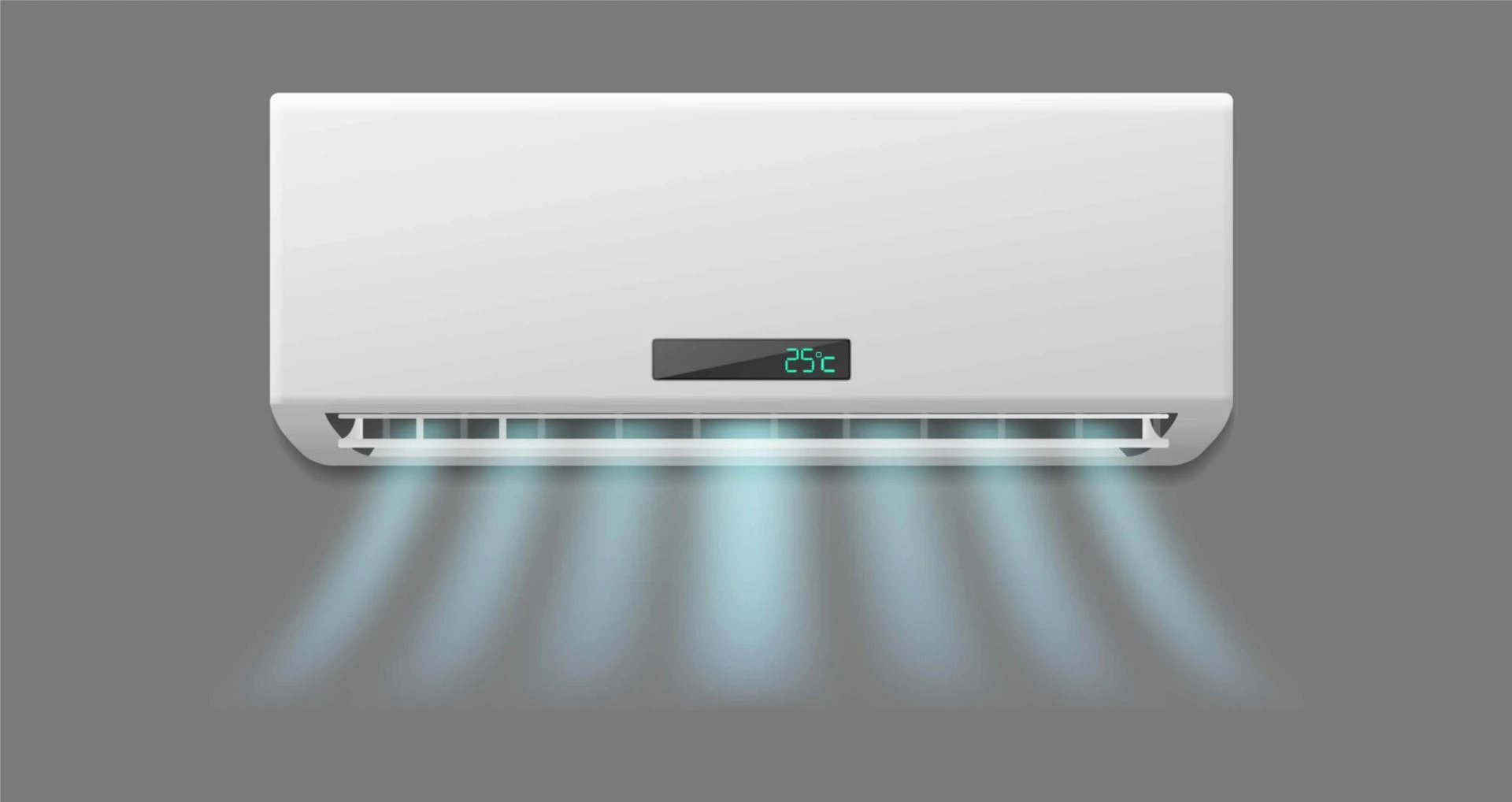

Energy efficiency has become a top priority for commercial buildings, retail stores, warehouses, hospitals, and industrial facilities. One solution that continues to gain attention is the Air Curtain With Sensor. This technology improves indoor comfort while significantly reducing energy loss through open doors. By combining smart sensing technology with high speed airflow, it creates an invisible barrier that separates indoor and outdoor environments without blocking access.
Understanding how this system works and how it saves energy can help businesses make informed decisions when choosing from reliable Air Curtain Manufacturers and selecting the right Commercial Air Curtain for their facility.
What Is an Air Curtain With Sensor?
An air curtain is a device installed above or beside a doorway that blows a controlled stream of air downward. This airflow creates an invisible seal that prevents outside air, dust, insects, and pollutants from entering the building while allowing people and vehicles to pass through freely.
An Air Curtain With Sensor enhances this basic concept by using motion detectors, temperature sensors, or door position sensors. These sensors automatically activate or adjust the air curtain when needed. Instead of running continuously, the system operates only when the door is open or when environmental conditions demand it.
This automation improves energy efficiency, reduces operational costs, and extends the lifespan of the equipment.
How Energy Is Lost Through Open Doors
Before understanding the savings, it is important to know where energy loss occurs. Open doors in commercial spaces cause:
- Escape of conditioned air
- Entry of hot or cold outdoor air
- Increased workload on HVAC systems
- Temperature fluctuations near entrances
- Higher electricity consumption
When heated or cooled air escapes, HVAC systems must work harder to maintain indoor temperature. Over time, this results in significant energy waste and higher utility bills.
A properly installed Commercial Air Curtain helps minimize this problem by maintaining separation between two environments.
How an Air Curtain With Sensor Reduces Energy Consumption
Automatic Operation
One of the biggest advantages of an Air Curtain With Sensor is its automatic activation. Traditional systems may run continuously, consuming power even when doors are closed. Sensor-based models operate only when necessary.
When the door opens, the sensor detects movement or position changes and activates the airflow. When the door closes, the system shuts off. This intelligent control reduces unnecessary electricity usage.
Improved Temperature Control
An open doorway can quickly change indoor temperature, especially in extreme climates. A sensor-equipped air curtain maintains a stable indoor environment by reducing the exchange of hot and cold air.
For example:
- In summer, it prevents hot air from entering air-conditioned spaces.
- In winter, it keeps heated air from escaping.
This reduces the load on heating and cooling systems, leading to measurable energy savings.
Lower HVAC System Strain
When HVAC systems run continuously to compensate for air loss, components experience more wear and tear. By limiting temperature fluctuations, a Commercial Air Curtain helps HVAC units operate more efficiently and with less strain.
Lower strain means:
- Reduced maintenance costs
- Longer equipment lifespan
- Fewer breakdowns
- Improved overall energy performance
Over time, this contributes to substantial operational savings.
Zoning Efficiency
Large commercial spaces often use temperature zoning. Open entrances can disrupt these zones by allowing unwanted air mixing. An Air Curtain With Sensor maintains the integrity of these zones, improving the efficiency of climate control systems across the building.
Smart Sensors and Adaptive Performance
Modern systems provided by leading Air Curtain Manufacturers integrate advanced sensing technologies. These include:
- Infrared motion sensors
- Door contact sensors
- Temperature sensors
- Humidity sensors
- Building management system integration
Some units automatically adjust airflow speed depending on external temperature differences. For instance, when the temperature gap between indoor and outdoor environments increases, the system boosts air velocity to maintain a strong barrier.
This adaptive functionality ensures that energy is used only when required and in the exact amount needed.
Energy Savings in Different Commercial Settings
Retail Stores
Retail businesses frequently keep doors open to encourage customer entry. However, this practice increases energy costs. A Commercial Air Curtain allows open-door access while maintaining indoor comfort.
Customers experience a pleasant shopping environment, and businesses benefit from reduced energy bills.
Warehouses and Industrial Facilities
Loading docks and large warehouse doors often stay open for extended periods. Without protection, conditioned air escapes rapidly. An Air Curtain With Sensor activates only when the door opens, creating a barrier that reduces air exchange without interrupting operations.
This is particularly valuable in temperature-controlled storage facilities.
Restaurants and Food Service Areas
Maintaining consistent indoor temperatures is critical for both comfort and food safety. Air curtains help prevent external heat, dust, and insects from entering while reducing HVAC workload.
Hospitals and Healthcare Facilities
Healthcare environments require strict temperature and air quality control. A well-designed system from trusted Air Curtain Manufacturers ensures minimal contamination and stable indoor conditions, contributing to both energy efficiency and hygiene.
Environmental Benefits
Energy savings are not only about reducing costs. Lower energy consumption also means a smaller carbon footprint. When buildings use less electricity for heating and cooling, greenhouse gas emissions decrease.
By installing an Air Curtain With Sensor, businesses support sustainability goals while improving operational efficiency.
Additional Cost Saving Advantages
Beyond energy reduction, air curtains provide indirect financial benefits:
- Reduced need for plastic strip curtains
- Lower insect control costs
- Less dust accumulation
- Enhanced customer comfort
- Improved employee productivity
Comfortable indoor environments lead to better working conditions, which can positively impact staff performance and customer satisfaction.
Choosing the Right Air Curtain Manufacturers
Selecting high-quality equipment is essential for maximizing energy savings. Reliable Air Curtain Manufacturers focus on:
- Energy-efficient motors
- Adjustable airflow settings
- Smart sensor integration
- Durable construction
- Quiet operation
It is important to evaluate the size of the doorway, installation height, climate conditions, and building layout before choosing a system.
Professional installation and proper maintenance further ensure optimal performance and long-term efficiency.
Final Thought
A well-designed Air Curtain With Sensor is more than just an air management device. It is an energy-saving solution that protects indoor environments, reduces HVAC workload, and lowers operational costs. By investing in advanced systems from reputable Air Curtain Manufacturers and selecting the right Commercial Air Curtain, businesses can maintain comfort, improve sustainability, and achieve meaningful long-term savings while keeping entrances open and accessible.





























Sign in to leave a comment.