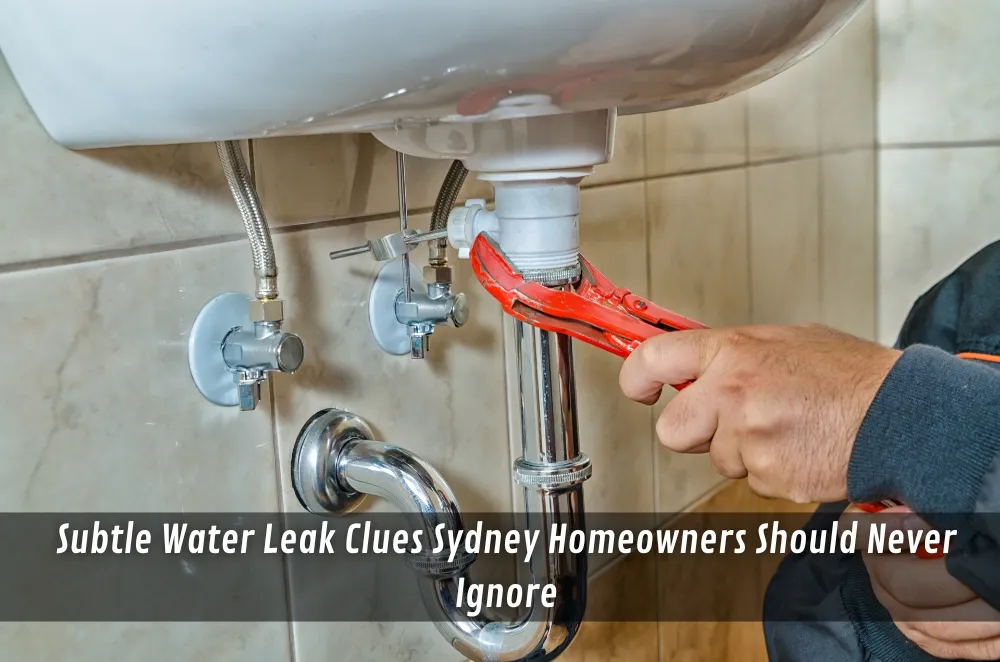

Water rushing down the hallway is an obvious emergency, but most costly plumbing repairs start with far gentler hints: a faint hissing behind a wall, a mysteriously damp patch on the ceiling, a spike in the water bill you shrug away. Understanding these early signals can save Sydney homeowners thousands of dollars in repairs, protect valuable household items, and conserve precious drinking water during increasingly frequent dry spells.
Why Small Leaks Are a Big Deal
A pin-hole opening in a copper line can lose up to 80 litres of water a day—enough to fill more than half the average bathtub—without anyone noticing. Beyond the waste, slow leaks create perfect conditions for timber rot, mould growth, and electrical hazards. According to Sydney Water, undetected leaks are one of the most common reasons households receive unexpectedly high quarterly bills. Acting early is not just environmentally responsible; it’s good home economics.
Hidden moisture drives hidden costs
• Timber framing swells and warps, leading to sticky doors and cracked plaster.
• Insulation becomes water-logged, reducing energy efficiency.
• Mould remediation can cost more than the plumbing repair itself.
Common Early Warning Signs Around the Home
The table below compares minor clues with the potential underlying issues and a suggested next step. Use it as a quick reference when something feels “not quite right”.
| Early Sign | What It Might Mean | Suggested Action |
|---|---|---|
| Dripping sound with no visible water | Pipe pin-hole or loose fitting behind walls | Monitor water meter for hour — if movement, arrange inspection |
| Musty odour in one room | Slow leak soaking insulation or carpet underlay | Ventilate room; check for damp patches; call plumber if odour persists |
| Mould forming along ceiling cornice | Roof flashing leak or burst pipe in ceiling cavity | Photograph area; seek professional assessment |
| Sudden water-bill increase | Underground leak or running toilet | Perform a meter test; shut off all taps overnight and re-check |
| Warm spot on tiled floor | Hot-water line leak under slab | Contact licensed plumber for leak detection |
Tip: Conduct a simple meter check by recording the reading before bed. If the digits have advanced by morning (with no appliances running), water is escaping somewhere.
DIY Checks You Can Safely Do First
Before phoning a tradesperson, there are a few non-invasive inspections any homeowner can try:
- Cupboard Dash: Open kitchen and bathroom vanity doors. Feel for dampness, swelling, or discolouration around pipe penetrations.
- Toilet Dye Test: Add food colouring to the cistern. If colour appears in the bowl within 15 minutes without flushing, the flapper seal is leaking.
- Garden Tap Survey: A slow drip at an outdoor bib, especially overnight when pressure rises, can hide in plain sight yet waste huge volumes over time.
Avoid removing wall panels or unscrewing fixtures unless you are experienced and certain power is isolated. Disturbing materials without proper know-how can void warranties and expose wiring.
When to Call a Licensed Plumber
Persistent dampness, unexplained pooling, or any sign of structural movement demands professional attention. Modern plumbers use acoustic sensors, thermal cameras, and tracer gases to locate hidden leaks with minimal disruption. If the leak sits under concrete, early detection can mean the difference between a small core hole and a full slab cut-out.
For homeowners who want peace of mind, Apex Plumbing Services offers comprehensive leak detection and prompt repair across the Sydney metro area, helping residents stop minor issues from escalating into major damage.
Situations that usually require expert help
• Water bubbling up through lawn or paving
• Recurrent wet patches after cosmetic repairs
• Ceiling sagging or staining that grows week-to-week
• Audible pipe noise when taps are off
• Hot-water system cycling constantly or taking longer to heat
Preventive Habits to Keep Future Leaks at Bay
- Annual Roof & Gutter Check: Blocked downpipes can force water back into eaves, masquerading as a plumbing leak.
- Pressure Regulation: Sydney mains pressure can exceed 500 kPa overnight. An inexpensive pressure-limiting valve reduces stress on joints.
- Know Your Water Meter: Make the overnight test part of your quarterly routine. It takes five minutes and costs nothing.
- Replace Ageing Flexi-Hoses: These braided connectors under sinks have a 5–10 year life. Time-stamp each with a marker at installation.
- Document & Photograph: If you notice damp plaster or warped skirting, snap a photo. Comparing images over days helps identify growth.
Quick homeowner checklist
| Task | Frequency | Benefit |
|---|---|---|
| Inspect flexi-hoses | Every 12 months | Prevent sudden bursts |
| Clean gutters | Pre-summer storms | Reduce ceiling leaks |
| Check meter overnight | Quarterly | Spot silent leaks early |
| Inspect hot-water system valves | Annually | Extend unit life |
| Seal bathroom grout | Every 2–3 years | Stop moisture seeping behind tiles |
Final Thoughts
Hidden water leaks rarely fix themselves, and the clues are often subtle until major damage appears. By learning what to look and listen for, running a few simple checks, and calling a licensed plumber when warning signs persist, Sydney homeowners can protect both their property and our shared water supply. Paying attention to small signals now can avoid the shock of large repair bills later.
































Sign in to leave a comment.