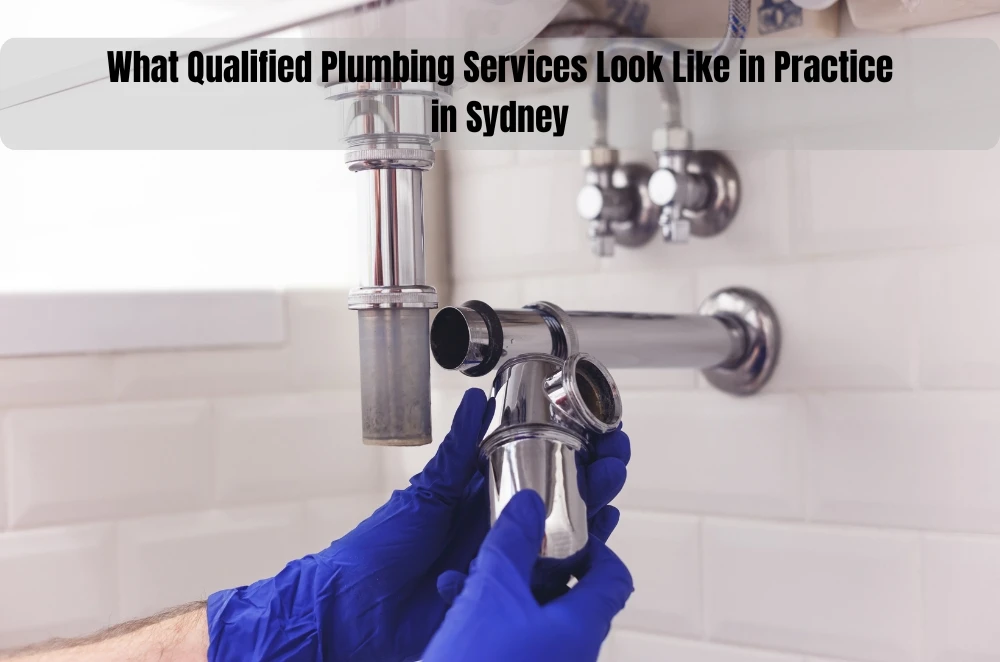

Sydney homes and buildings ask a lot of their plumbing. Ageing pipes in older suburbs, high-density apartments with shared drainage, renovation patchwork, tree roots, stormwater surprises, and hard-to-ignore hot water failures all create the same recurring question: what does “qualified” actually mean when you’re hiring plumbing help?
It’s tempting to treat plumbing like a simple trade-off between speed and price. But in reality, the biggest costs often come from the wrong diagnosis, the wrong scope, or “patches” that temporarily quieten a symptom while the underlying problem grows. Qualified plumbing services tend to look less like a single magic fix and more like a process: confirm the cause, define the scope, do compliant work, and leave you with a result that holds up.
Below is a practical way to recognise that process before you commit—especially when the situation feels urgent.
“Qualified” starts with licensing and compliance, not confidence
The most visible difference between a confident operator and a qualified one is that the qualified operator can show they’re properly licensed and working within NSW requirements. For anyone seeking Sydney plumbers you can rely on, this isn’t just a box to tick—it’s how you know the work will meet local standards. In plumbing, compliance isn’t a bureaucratic add-on. It’s what helps ensure work is safe, durable, and insurable—particularly where gas, hot water systems, backflow, and major pipework are involved.
On the ground, this shows up in small but meaningful behaviours: asking the right questions about the property and the symptoms, checking access points rather than guessing, and being clear about what they’ll do—and what they won’t do—without proper inspection. It can feel slower in the first five minutes, but it’s usually faster over the life of the repair.
A qualified approach is “scope-first” (and that protects your budget)
One of the most common homeowner frustrations is paying for the same issue twice: a drain that blocks again next month, a leak that “moves,” a hot water system that fails in a different way after a quick swap of parts.
A scope-first approach aims to prevent that cycle. Instead of fixing the loudest symptom, it starts by confirming what’s happening (and why), then matching the solution to the property: pipe materials, age of the installation, access, and how the building is used. Some Sydney plumbing providers describe this explicitly as moving from “something’s wrong” to a clear scope and compliant workmanship, with pricing agreed before work proceeds.
When you see that mindset, it’s a good sign you’re dealing with qualified plumbing services.
Questions that reveal whether someone is thinking in scope
You don’t need to “test” a plumber, but you can listen for the fundamentals. A qualified operator will usually be comfortable with questions like:
- What are the most likely causes of this symptom in a home like mine?
- What will you check first to confirm the cause?
- What are the options if access is limited (e.g., apartment buildings, slab homes)?
- What does the proposed scope include—and what would change it?
- Are there compliance or safety considerations in this job?
Clear answers here don’t guarantee perfection, but vague answers are a strong predictor of rework.
The situations where DIY tends to stop being safe
Sydney homeowners are resourceful, and some basic first steps can be sensible (turning off water at the meter, isolating a hot water system if safe to do so, clearing obvious debris from a shower grate). But there are clear lines where DIY becomes risky or costly.
1) Burst pipes and active leaks
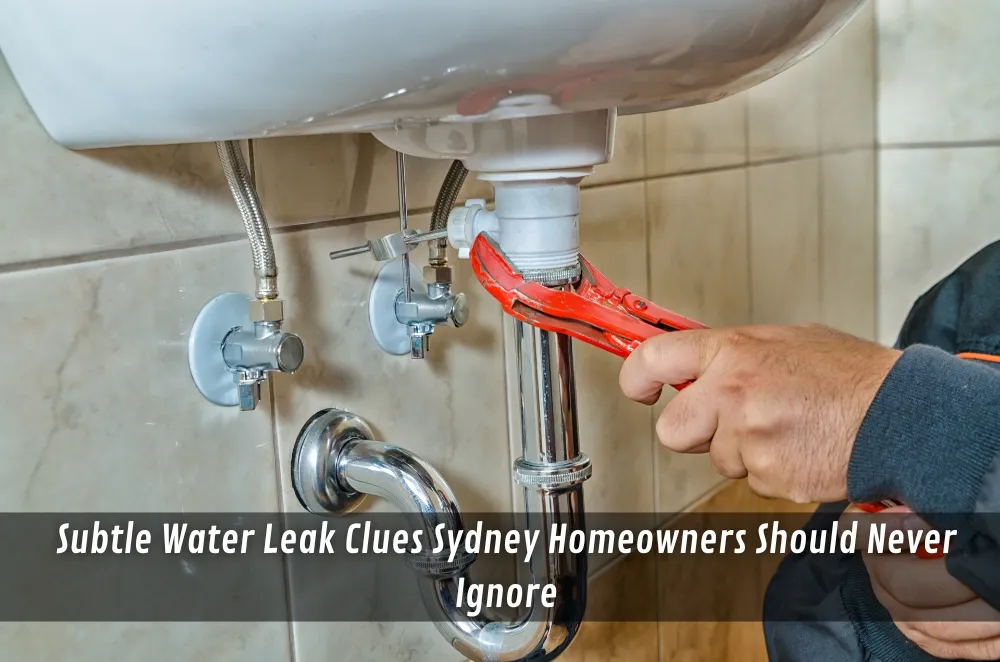
If water is moving fast—through a ceiling, under flooring, or from a wall cavity—your best “DIY” is damage control: isolate the water, protect electrics, and document the affected areas. After that, diagnosis matters. A rushed patch can hide the true failure point and complicate a proper repair later.
2) Blocked drains that keep coming back
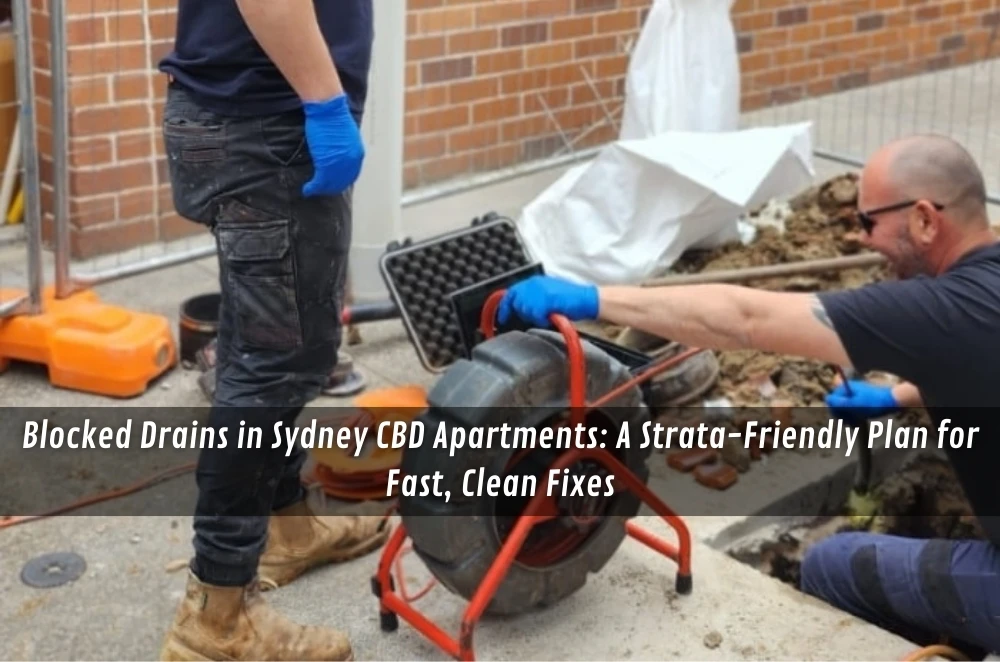
Repeated blockages are often a sign of buildup, tree root intrusion, pipe damage, or a mismatch between how the line is used and how it was built. “Poke and hope” clearing can restore flow temporarily but won’t necessarily address the cause. The more often a blockage returns, the more valuable proper diagnostics become.
3) Hot water problems
Hot water failures aren’t always “the unit is dead.” Pressure/temperature relief issues, valves, power supply, ignition faults, and system sizing all matter. A qualified trade will usually frame it as a repair-vs-replace decision based on evidence and your household needs.
4) Anything involving gas, backflow, or complex installations
These are areas where compliance and safety are not optional. Even well-intentioned DIY can create hazards or future insurance issues. If a job involves gas fitting or backflow prevention, it’s a strong indicator to involve a properly licensed professional.
How emergencies change the decision (without changing the standard)
Sydney plumbing emergencies are real: toilets overflowing in apartments, stormwater backing up during heavy rain, leaks threatening cabinetry, or a hot water system failing on a cold week. In those moments, speed matters—but standards still matter.
Many providers offer 24-hour emergency availability, and you’ll see this highlighted prominently by some Sydney services. The practical takeaway isn’t “choose whoever can arrive first,” but “choose whoever can arrive quickly and still define the scope and do compliant work.”
A good emergency response looks like this:
- Immediate containment (stop the water or prevent further damage)
- Rapid diagnosis (confirm what failed, not just where the mess is)
- Clear options (temporary stabilisation vs permanent repair)
- Agreed scope and pricing before the main work proceeds (where possible)
That sequence protects you from the common emergency trap: paying premium rates for a fix that only delays the real repair.
Residential vs strata vs commercial: the same principles, bigger stakes
Plumbing in a standalone house can often be isolated quickly. In strata and commercial environments, plumbing issues can affect multiple occupants and trigger compliance expectations. The “qualified” markers become even more important:
- Documented scope (so stakeholders agree on what’s being done)
- Clear communication about access and shutdowns
- Diagnostics that reduce repeat disruption
- Work that aligns with regulatory expectations where relevant
Even if you’re a homeowner, you’ll benefit from a provider who thinks this way—because it usually translates to cleaner planning and fewer surprises.
A practical checklist for judging qualified plumbing services in Sydney
When you’re comparing options, try assessing the process rather than the pitch.
Green flags
- Willingness to inspect and confirm the cause before proposing a major fix
- Clear description of scope (what’s included, what would change it)
- Upfront pricing once scope is agreed
- Comfort discussing compliance and safety boundaries
- A service list that matches the issues you’re seeing (e.g., leak detection, blocked drains, hot water systems, gas fitting)
Caution flags
- Phone-only quotes for complex problems without inspection
- “Quick patch” language when the issue is recurring
- Unwillingness to explain options or trade-offs
- Pressure to make immediate decisions without clarifying scope
If you want to see an example of how a scope-first, licensed Sydney-wide plumbing offering is presented—including NSW licence details, emergency availability, and the types of jobs handled—you can review the overview of qualified plumbing support in Sydney.
What to do next when you’re not sure how serious it is
Plumbing problems often start ambiguously: a faint smell, a slightly slower drain, a damp patch that comes and goes. If you’re uncertain, a sensible approach is to document what you’re seeing (photos, times, triggers like rain or appliance use) and treat recurrence as the deciding factor.
One-off issues can sometimes be minor. Patterns are rarely minor.
If a symptom repeats, escalates, or involves safety-critical systems, consider speaking with a properly licensed professional who can confirm the cause and define the scope before work begins.
Key Takeaways
- “Qualified” plumbing is best judged by process: diagnosis, scope, compliance, and durable workmanship.
- Licensing and working within NSW requirements matter most for safety-critical work and future peace of mind.
- A scope-first approach reduces repeat call-outs and “paying twice” for recurring issues.
- Emergencies change urgency, not standards: containment, diagnosis, options, then agreed scope.
- Recurring symptoms (blockages, leaks, hot water faults) are a strong sign to move beyond DIY and get proper diagnostics.




























Sign in to leave a comment.