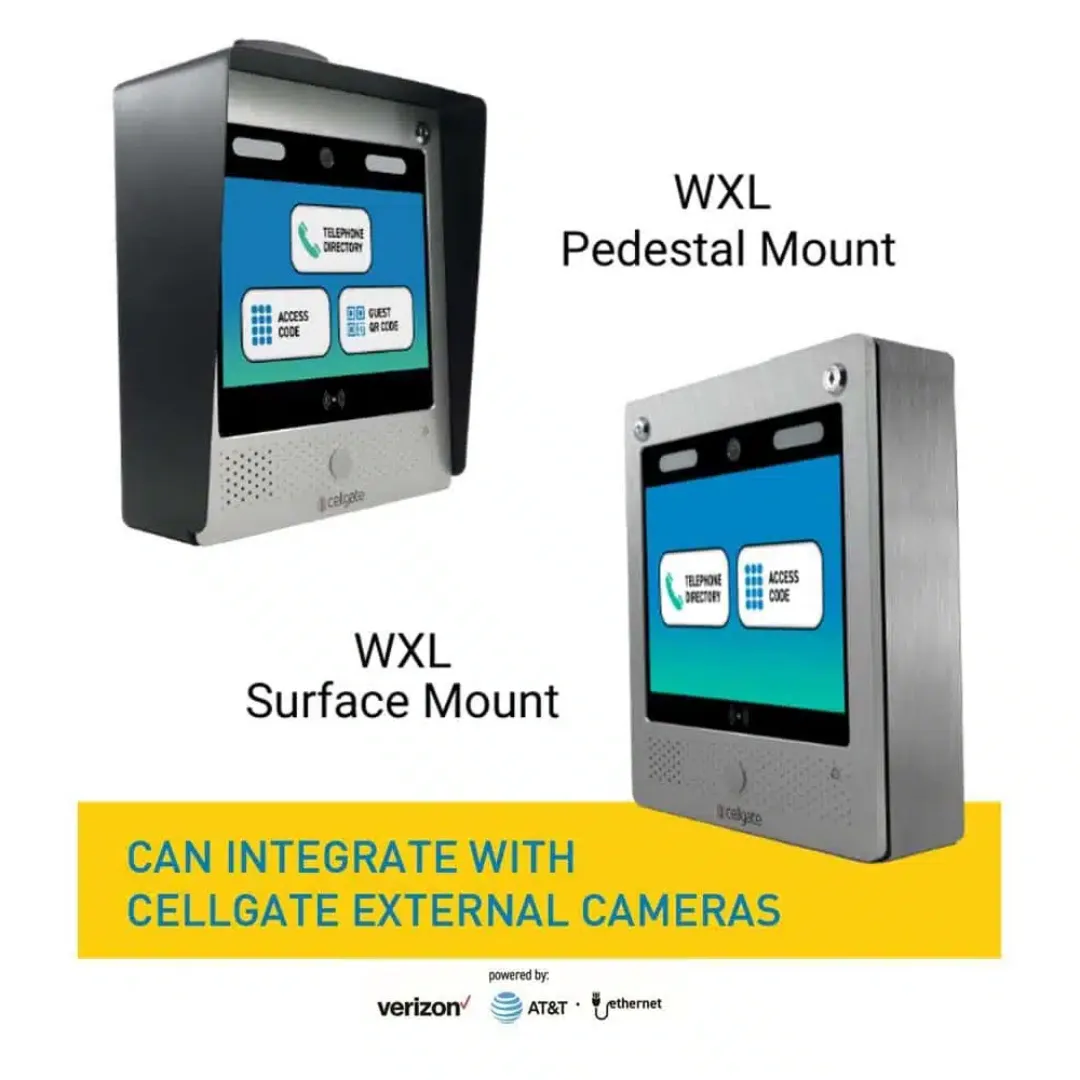

Commercial access control solutions have become increasingly important in today‘s security climate. In addition to providing a comfortable work environment, modern day businesses require the ability to monitor the movement of employees, provide security and control over their premises and streamline their day-to-day activities. This becomes increasingly difficult for ever-growing organizations that rely on bulky keys or manual security checks to maintain control and employee access.
Today‘s companies need more sophisticated systems that give managers the ability to restrict who enters certain areas, track who accessed what, and enhance security. Access control technology offers a more intelligent solution for administering employee access rights as well as establishing a more secure and productive environment.
If accompanied by a quality access control system, commercial security options can help your organization more efficiently administer employee access, minimize security threats, and better monitor the area.
Why Employee Access Management Matters
Management of employee access to a business is a crucial aspect of business security. As each organisation has different secure sections within it. Employees may have access to division A, while division B might be limited to only authorized personnel.
Without proper access management, businesses may face challenges such as:
- Unauthorized entry
- Security breaches
- Lost keys/access cards
- Lack of monitoring at a detailed level
- Trouble handling permissions
An efficient access control system provides businesses with a structured approach for giving each employee the access they are meant to have.
How Commercial Access Control Systems Work
The commercial access control systems are electronic systems which checks the identity of the employees in order to allow access. Instead of using locks, these systems use some kind of digital identification.
Common access methods include:
- Access cards
- Codes for the keypad9.
- Mobile credentials
- Biometric verification
- Smart devices
Once the employee has been verified by having proper credentials, the system grants the worker access to the appropriate restricted areas.
Managing Employee Permissions Easily
A key benefit of access control systems is that the authorization of employees can be handled effectively. It is possible for the administrators to give an access level depending on the positions, departments, and duties.
For example:
- Office personnel may be located in common work areas
- Managers can access additional departments
- Security teams are able to keep track of offlimits areas;
- Temporary workers may enjoy limited access to
Restrict access to areas to only those parts employees need to access.
Improving Workplace Security
Employee access control is paramount in protecting an organization from entering the premises without authorization. Standard keys can easily be lost, shared and duplicated; these are common security risks.
Electronic access systems provide better protection by allowing administrators to:
- Disable lost credentials
- Eliminate former employee access.
- Activity by tromp.
- Limit access to areas of the site that contain sensitive data.
. This will reduce the security hazards and also contribute to the efficient operation of the workplace.
Real-Time Access Monitoring
One of the greatest advantages of today‘s access control technology is the ability to monitor in real time. Businesses are able to see the records of access and determine who entered the occupancy and when.
Access logs help organizations:
- Investigate security breaches
- Observe the movement of the employeehe‘s.
- Detect any suspicious activity
- Maintain accountability
This heightened visibility assists security teams to proactively address potential problems.
Integration With Quality Access Control Systems
A combined enterprise security solution is enhanced if various technologies are integrated and interoperate with each other. By overlaying a commercial access control system with a professional access control system, a complete approach to security management can be achieved.
Integration options may include:
- Security cameras
- Automated gates
- Door access card readers
- Intercom systems
- Alarm systems
- Cloud managed platform
This integrated approach enables organizations to take care of numerous security processes from a centralized system.
Enhancing Employee Convenience
Not complicate the day-to-day work any further. Current access control systems will allow your staff leave the premises in a quick and hassle free manner.
Benefits include:
- Faster entry
- No conventional keys needed.
- Convenient Credential Handling
- Flexible entry formats
Employees are able to reach their workplaces in no time while the company keeps effective security controls.
Supporting Different Employee Schedules
Numerous companies are required to work outside the normal working hours. Staff could be on different work schedule, for example, in or out of building at different intervals. Temporary authorisation could be needed.
Business owners can set schedules with commercial access control.
Administrators can set:
- Time-based access
- Department-specific permissions
- Time-limited access:
- Limited opening hours.
This flexibility allows companies to have security policies that can be applied in many types of work environments.
Improving Visitor and Contractor Management
Businesses regularly require visitors, contractors and service providers to be granted temporary access. In hard-copy access control management techniques, security concerns are often raised.
Access control systems help by providing:
- Temporary credentials
- Visitor approval processes
- Entry records
- Limited access permissions
So that general users are not given any more access than they require.
Reducing Security Risks When Employees Leave
Turnover among employees is common to an extent. However, the fact that ex-employees still possess information such as passwords can lead to risks.
With modern access control systems, businesses can immediately:
- Remove user permissions.
- Disable access cards
- Update Security Settings.
Aids in preventing unauthorized access following change in employment.
Improving Compliance and Accountability
Several industries demand that companies put security procedures and maintaining records of Who Comes in and Out. Access control can give accurate logs, which can be used in these types of industries.
Access records can support:
- Consulate security 39. Internal security reviews K. Andrews. Consulate security 40. Internal security reviews K. Andrews. Consulate security 41. Now the Security Ocers Were Forcing into the Consulate. Consulate security 42. Internal security reviews KK Andrews 43. Now the Security Ocers Were Forcing into the Consulate. Consulate security 44. 2. Consulate security 45. After 148 days over the 85 miles through the mountains, the Americans reached the city of. Consulate security 46. Consulate security 47. Internal security reviews KS Andrews.
- Workplace investigations
- Compliance requirements
- Safety audits
Improved documentation enhances accountability and security management.
Cloud-Based Access Management
Cloud technology has enhanced the management of employee access within organizations. Administrators use cloud-based access as a remotely-managed security component, since it enables the control of security parameters from a variety of connected devices.
Benefits include:
- Managing remote users.
- Centralized control
- Faster updates
- Multi-location management
This is especially beneficial for businesses that have multiple locations or facilities.
Choosing the Right Commercial Access Control System
A business needs to take the following into account before choosing an access control.
Number of Employees
Select a system that will support current staff and future expansion.
Security Requirements
Determine what areas should be secured.
Access Methods
Reflect on if employees will be utilizing cards, mobile credentials, keypads or biometric authentication.
Integration Needs
Choose a system which fits in with the security systems already in place.
Scalability
Select a method that will grow as requirements change.
Importance of Professional Installation
A correct installation is critical for performance because a poorly installed system will lead to security breaches and operational problems.
Professional installation ensures:
- Placement of the hardware properly positioned.
- A suitable system configuration
- Secure integration
- Reliable operation
Having the right experience working with senior security personnel ensure that a company‘s investment is maximized.
Long-Term Benefits of Employee Access Control
Investing in access control technology provides long-term advantages, including:
- Better security at the workplace.
- More effective control of employees;
- Decreased security risks
- Easier administration
- Improved operating efficiencies
A solid system should also allow the business to grow and remain secure at the same time.
Conclusion
Proper management of employee access is vital for today‘s companies. Company-wide access control systems would afford firms improved control over employees, enhanced security for sensitive areas and increased efficiency of day-to-day work. Coupled with a quality access control system, companies could implement a comprehensive security and control solution.
Frequently Asked Questions
1. What are commercial access control systems used for?
Commercial access control systems: Used to control the entry of employees, prevent access to sensitive areas, and enhance security of the work place.
2. How do access control systems manage employee permissions?
It gives administrators the ability to define security levels for each class of user according to job function, department, shift and security profile.
3. Can access control systems track employee entry activity?
Yes, we have record of who and when people accessed our secure locations.
4. Can commercial access control systems integrate with other security devices?
Yes they can work with cameras, automated gates, intercom, alarms and all other security solutions.
5. Why should businesses invest in a quality access control system?
A good access control system enables increased security, easier employee management, easier monitoring and easy-operation over time.
























Sign in to leave a comment.