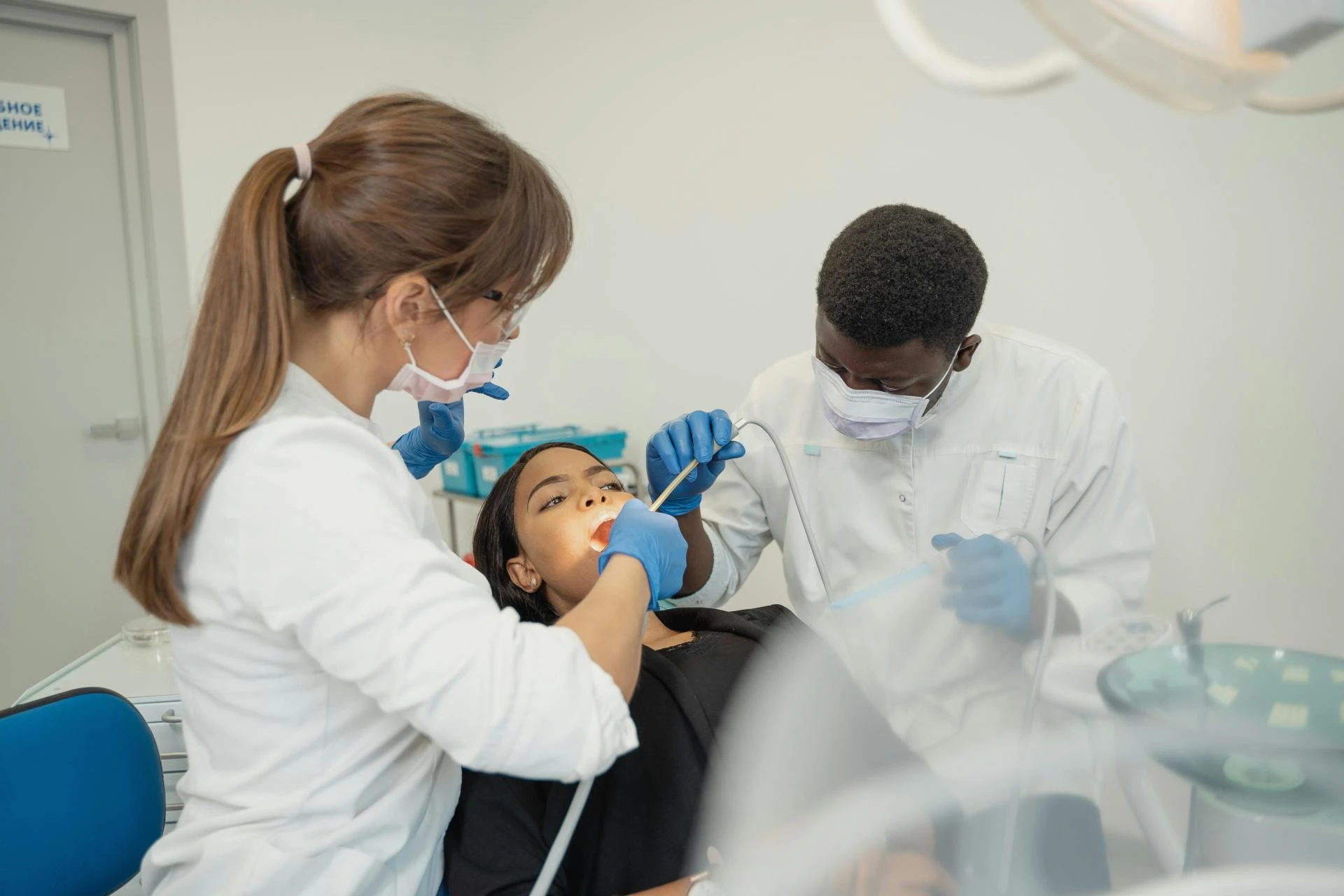

It's not only about pulling teeth when it comes to oral surgeon louisville ky. Removing wisdom teeth? That’s frequent, sure — but there’s more beneath the surface. Their work stretches into areas involving jaw alignment, bone integrity, sometimes even airway issues.
After finishing dental school, they spend four to six extra years in intense surgical programs. Much of that time is spent inside hospitals, learning side by side with physicians. Because of this mix, they see connections between mouth mechanics and body-wide functions — territory outside a regular dentist’s scope.
Airway and Sleep Solutions
What often gets missed is how they handle obstructive sleep apnea by shifting the jaw surgically. Moving the lower jaw forward can widen the breathing passage, sometimes cutting the need for CPAP devices entirely. Still, only some people are candidates — just those with particular jaw shapes tend to see real improvement. Oddly, this option rarely comes up in standard dentist chats, even though it's a core part of what an oral surgeon in Louisville, KY does.
Protecting the Jaw After Tooth Removal
Right after pulling a tooth, something subtle but smart happens more often now — doctors fill the space to protect the jawbone. Once the tooth is gone, bone loss can start fast. Instead of waiting, they add grafting material right then and there. This keeps the shape needed later if an implant goes in. It works best when everything lines up — one appointment, one step, same day. Most people have no idea this timing matters, thinking surgery waits won’t cause issues. When bone starts fading, turning it around gets tough.
Dental Implants and Precision
Implants? One of the top treatments done by these experts. Hardly anyone sees how exact it has to be though. With CT scans, they map out where each piece goes in 3D space. That way, delicate areas like nerves stay clear. A few clinics in Louisville rely on special surgical guides — these are built just for one person, shaping every step of the process ahead of time. Not random at all. Precision comes from mapping out bone structure before touching tools to the jaw.
Pathology and Early Detection
Handling pathology falls within their duties too. When odd tissues show up in the mouth — like cysts, tumors, or strange spots — they check what's going on. Whether a sample needs taking or removal depends on their assessment. Many times, things aren’t dangerous. Spotting problems early makes a big difference down the line. Since discomfort usually does not come at first, patients wait. It isn’t until something looks off that they make an appointment. During regular visits, oral surgeons often catch these signs before anyone else notices.
Facial Trauma and Bone Reconstruction
Bones broken in the face get fixed here, part of what they do in surgery. When someone breaks a jawbone, cheekbone, or eye socket, tiny metal parts hold things steady while healing takes place. Looking right again matters — so does biting down properly and keeping nerves working like before. If damage spreads into areas near sinuses or skin layers, specialists from nearby fields step in to help sort it out.
Healing and Recovery
Healing takes different amounts of time for each person. After placing an implant, bone needs a few months to fully bond before the next step happens. When jaws are moved forward, eating certain foods might be limited at first, plus some feeling can go away for a while. Scans later on help track progress, and small changes could happen now and then if metal parts were put in place.
When teeth or gums stay inflamed, problems can spread beyond the mouth. Problems lingering after surgery might nudge other body systems off balance — though proof of direct links stays unclear. Getting help fast from someone who knows what they’re doing lowers chances things get worse later. One thing stands clear: waiting often makes outcomes harder to manage.
Choosing the Right Oral Surgeon
Start by checking if the oral surgeon in Louisville holds proper certifications and works at recognized hospitals. What they offer matters just as much as who trained them. Dentist recommendations can point you right, though going straight to consult works fine too. Coverage depends on whether a procedure is essential or optional. Some treatments need approval ahead of time, especially when tied to facial surgery needs.
FAQ
Does a mouth doctor in Louisville fix breathing pauses at night?
Sure, sometimes it works. Fixing the jaw position can open up breathing space during sleep. Whether someone qualifies comes down to their body structure and how bad symptoms are. Scans and overnight tests give the answers needed.
Do I need a referral to see an oral surgeon?
Frequently not needed. Some arrive through dentist suggestions, yet people can reach out directly. Still, coverage rules might ask for notes from an initial doctor.
Not every tooth removal needs an oral surgeon.
Not every dentist pulls impacted teeth. Some handle only those that have fully emerged. When several need removal, one after another, specialists often step in. Health issues can shift care elsewhere too.
How long does recovery take after implant surgery?
Healing begins within the first fortnight, though it needs several months — anywhere from three to six — for the implant to settle fully into the jawbone. A provisional crown might go in before that timeline ends.
What about safety when using IV sedation during outpatient treatments?
Few problems come up when trained experts give IV sedation. The body's key signals stay watched the whole time. Someone else needs to take the patient back after the appointment.
Conclusion
Most folks think wisdom teeth removal east louisville ky is the main job, yet there's more beneath the surface. These specialists blend dental skill with medical knowledge, working where mouth care meets overall health. Problems with jaw function or facial structure often land in their hands too. Relief from discomfort might bring someone in, but long-term fixes require deeper insight. When treatment waits too long, small issues grow harder to manage. Conversations early on shape how smooth recovery feels later. Timing decisions matter just as much as the procedure itself.




























Sign in to leave a comment.