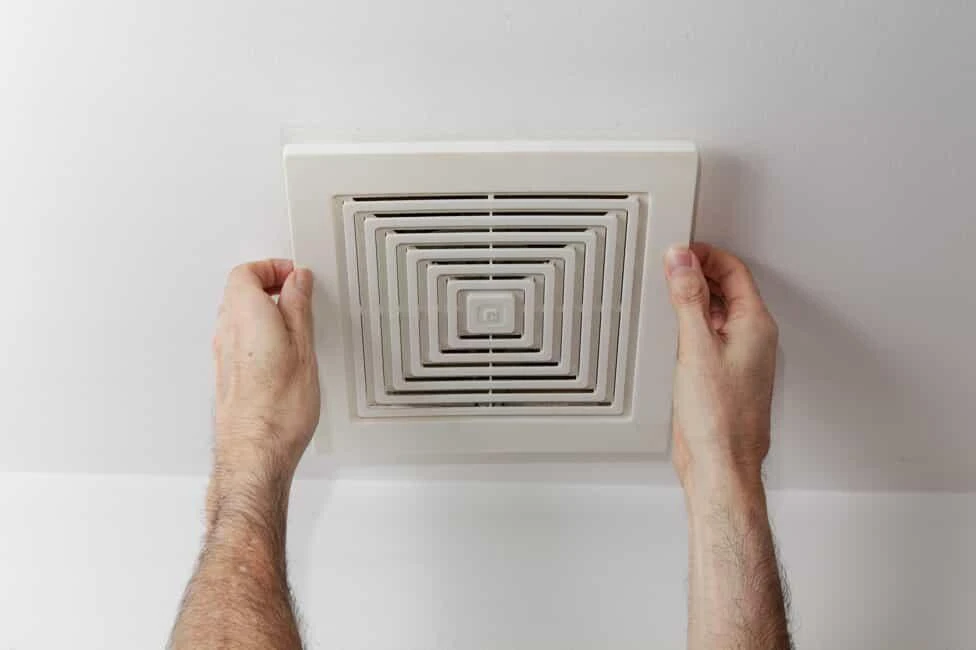

Basements often carry the burden of poor air circulation, high moisture levels, and the risk of radon gas buildup. Many homeowners turn to advanced ventilation systems to combat these issues. One popular choice for boosting air movement and pressure is the AMG Eagle, a fan designed to address radon and stale air buildup in confined spaces. With the right system in place, indoor air becomes more stable, breathable, and safe.
The Basement Dilemma: Why Air Quality Suffers Below Ground
Basements naturally have less airflow due to their position beneath ground level. Concrete walls and limited windows restrict natural ventilation, making the air feel heavy and damp. Over time, this environment encourages the accumulation of harmful gases, mold spores, and musty odors. Without active circulation, these problems tend to grow unnoticed. Poor air quality doesn't just cause discomfort—it can lead to long-term health concerns for those spending time in the space.
The Role of Air Movement in Creating a Healthier Space
One of the fastest ways to reduce pollutants in any indoor environment is to improve air exchange. High-performance fans move large volumes of air efficiently, drawing out stale, contaminated air and replacing it with fresh intake. In basements, this process becomes essential for managing humidity, controlling radon, and preventing buildup of other airborne irritants. The stronger and more reliable the fan, the better the air cycling results throughout the entire lower level.
Pressure Control and Its Impact on Gas Intrusion
Radon enters basements through pressure differences between the soil and indoor space. When indoor pressure drops below the surrounding ground level, soil gases are pulled into the home through cracks or gaps. A powerful fan system helps balance this pressure by creating negative suction below the slab, which reroutes gases outside through a vent pipe. Maintaining proper air pressure is one of the most effective ways to reduce long-term radon exposure and ensure the system keeps working as expected.
Quiet Operation Without Sacrificing Power
Fan performance isn’t only about how fast it runs—it’s also about how quietly it operates over time. Older or cheaper fans often produce excessive noise, which can become annoying for homeowners using finished basement spaces. A high-performance fan designed for mitigation can run continuously at low decibel levels, often unnoticed by those living in the home. A well-installed system should feel invisible but perform reliably day and night.
Durability in Demanding Conditions
Basement environments can be tough on mechanical systems. Fans exposed to temperature shifts, damp conditions, and long operating hours must be built to last. Housing materials, motor quality, and seal protection all play a role in how well a fan performs under stress. Choosing a durable unit with sealed wiring and corrosion-resistant casing ensures that the system doesn’t fail under pressure or degrade with seasonal changes. Reliability becomes the most important factor once the system is up and running.
System Design and Fan Placement
Where a fan is installed matters as much as what model is selected. Placement affects suction strength, airflow direction, and how evenly the system performs across the entire basement area. Installers consider pipe routing, vertical rise, and obstruction points to maximize airflow with minimal resistance. The right fan can perform below its maximum capacity and still deliver strong results when installed in an optimized location with proper support from other system components.
Conclusion
A high-performance fan does more than just spin and push air—it reshapes the entire air quality dynamic of a basement. With precise control over pressure and continuous circulation, it forms a critical barrier between harmful soil gases and your indoor space. Over time, the results speak for themselves: fresher air, less humidity, and a healthier living environment. A strong, quiet, and reliable fan is one of the smartest investments a homeowner can make to protect their property and well-being from the ground up.
























Sign in to leave a comment.