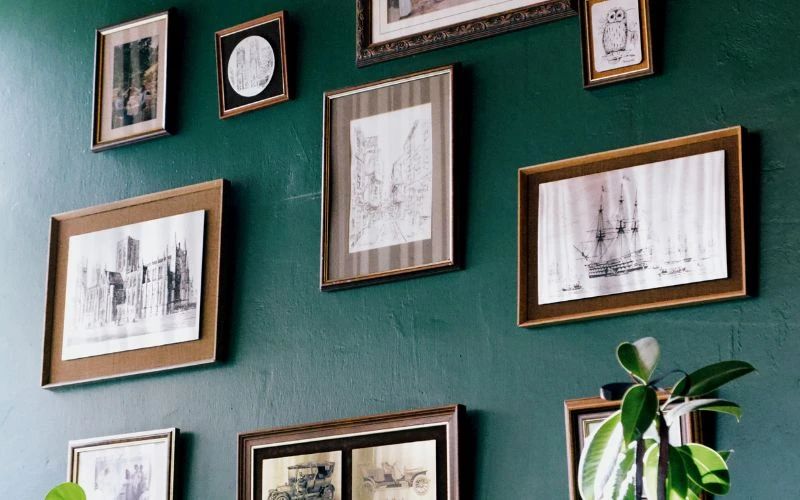

Recent inspection reports show that nearly 40% of wall repairs in modern homes come from incorrect picture hanging. One wrong screw placement. One overloaded hook. One misjudged anchor. Heavy artwork can cause cracks, dents, and in some cases, full wall failure. The risks are real—especially with plasterboard walls found in most homes today.
This tutorial gives you easy-to-follow, unambiguous ways to keep walls secure, support large items, and avoid damage that may have been avoided. The goal is simple: hang art with ease, no stress, and no repairs afterwards!
What’s the Safest Way to Hang Heavy Artwork Without Damaging Walls?
Heavy artwork stays secure when the weight is spread across strong wall points. Studs, load-rated anchors, and the correct hardware play the biggest role. Damage happens when nails are used where anchors are needed, or when a wall cavity is chosen instead of a structural support point. Modern walls require the right match between weight, material, and hardware selection.
Why Heavy Artwork Damages Walls
Many common problems come from simple mistakes:
- Nails used on plasterboard instead of anchors
- Hooks chosen without checking weight limits
- Frames hung on weak or unstable brackets
- No check for electrical or plumbing points behind the wall
- Incorrect placement on thin drywall sections
These small errors lead to cracks, holes, sagging, or collapsed sections. Thankfully, each issue is preventable with the right steps.
Step-by-Step Guide to Hang Heavy Artwork Safely
1. Find strong fixing points
Stud finders help locate timber studs behind plasterboard. Hanging directly on a stud gives the strongest support.
2. Choose the right anchor type
For walls without studs, use load-rated wall anchors such as:
- Toggle bolts
- Hollow wall anchors
- Anchors that drill themselves for frames that aren't too heavy
Different types of anchors can hold different amounts of weight.
3. Measure height and balance
Mark the hanging point accurately. Uneven weight causes long-term strain on the wall and frame.
4. Use double hooks for stability
Two hooks spread the weight out better than one, which lowers the strain on each point.
5. Secure hardware on the frame
Before hanging, you should check and tighten the D-rings, strong wires, or brackets.
6. Lift and test gently
A slow, light pull test helps confirm the anchor is set correctly.
Case Snapshot — Wall Damage From One Wrong Hook
A homeowner placed a 15kg frame on a single nail. After two months, the nail slipped, the plaster cracked, and a large piece of the wall tore out with the frame.
A simple switch to two load-rated anchors would have prevented the entire repair cost.
This is why many turn to expert help such as gallery-style picture frame hanging service options when artwork is too heavy or walls are fragile.
Pros and Cons of Professional Hanging
Pros
- Correct anchor and hardware selection
- Even weight distribution
- Reduced risk of cracks or collapse
- Clean, accurate placement
Cons
- Higher cost
- Requires scheduling
- Limited DIY flexibility
In many homes, experienced teams who offer secure picture hanging service without wall damage, especially large pieces of art.
FAQs
How much weight can plasterboard safely support?
Standard plasterboard can only hold light things unless you use the right anchors to make it stronger. With load-rated anchors, it can hold 10 to 30 kg, depending on the system utilised.
Are studs always required for heavy artwork?
Not all the time. Even without studs, high-quality wall anchors give substantial support, but the right sort of anchor must fit the weight of the frame.
Final Thoughts
Heavy artwork can be displayed safely in any modern home when the right hardware, anchor type, and placement are used. Careful planning prevents cracks, sagging, and unexpected wall damage. The process is simple, repeatable, and much more secure when done with the right support. Hanging artwork should feel safe—not stressful—and the right techniques make all the difference.



























Sign in to leave a comment.