

Cognitive decline can be a confusing and emotional journey, not just for seniors but also for their families. Simple daily tasks may start to feel harder. Names, dates, and places can slip away. Because of this, emotional support becomes just as important as medical care. Many families look for trusted options like senior living in Highland Village to ensure their loved ones get both care and comfort in a safe space.
Senior living communities are not only about providing a place to stay. They focus on creating a calm, familiar, and supportive environment. This helps residents feel less stressed and more understood. Over time, these small emotional supports can make a big difference in their quality of life.
Understanding Cognitive Decline With Care
Cognitive decline affects memory, thinking, and decision-making. It can happen slowly, which makes it even harder to notice at first. Seniors may repeat questions, forget conversations, or feel lost in familiar settings.
Because of this, emotional reactions are very common. Some may feel frustration, sadness, or even fear. That is why senior living communities focus on emotional well-being, not just physical needs.
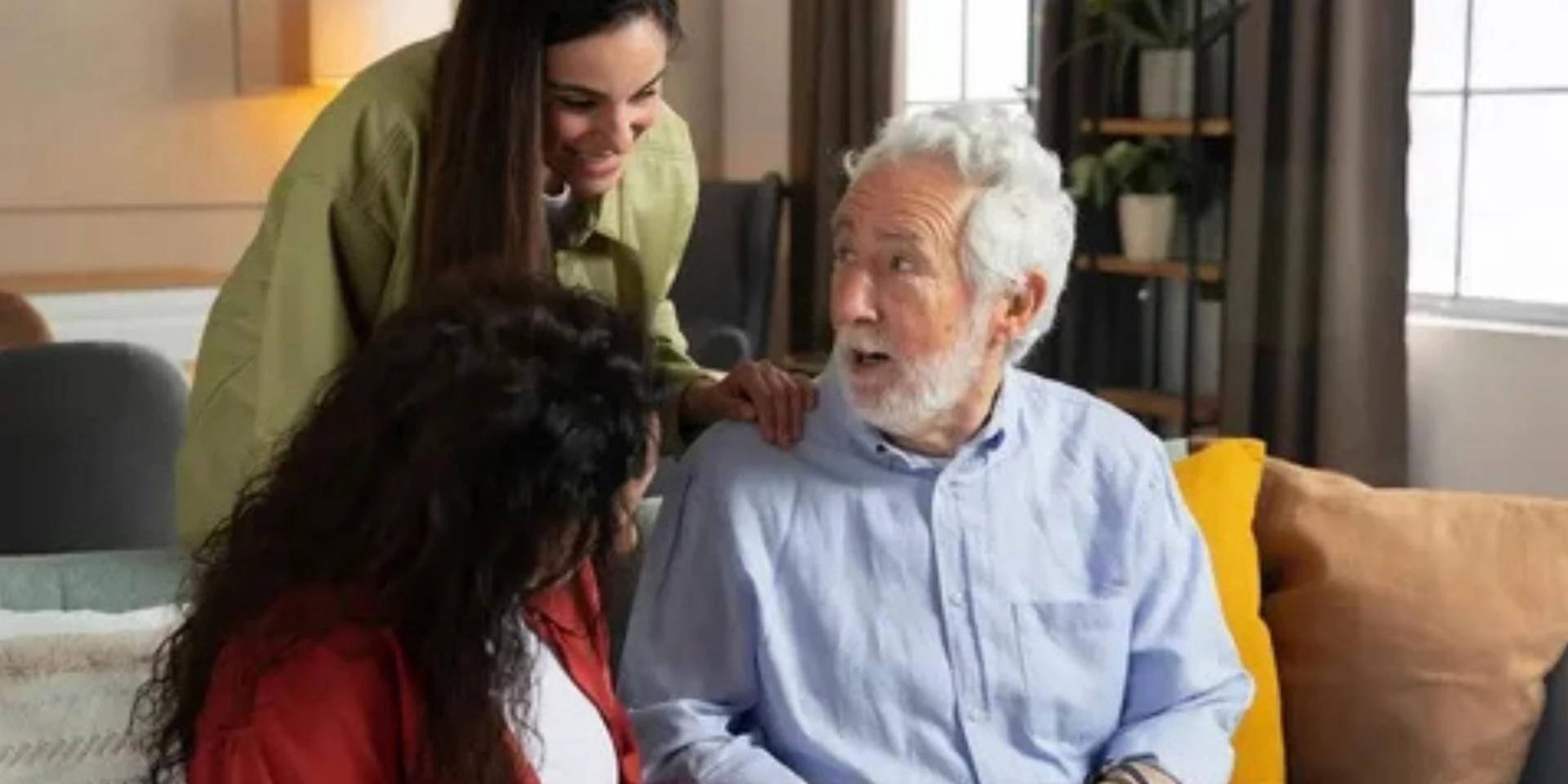
Caregivers are trained to respond with patience and kindness. Instead of correcting every mistake, they guide residents gently. This approach helps reduce stress and builds trust.
Emotional Support That Feels Personal
One of the biggest strengths of senior living communities is personalized emotional care. Each resident is treated as an individual, not just a patient.
Staff members often take time to learn personal life stories, favorite hobbies, and routines. These details help them connect better with residents.
Some common emotional support methods include:
- Friendly daily conversations to build comfort and trust
- Familiar routines to reduce confusion
- Gentle reminders instead of strict corrections
- Encouraging participation in simple group activities
- Creating a calm and welcoming environment
These small actions may seem simple, but they help seniors feel safe and valued.
The Role of Memory Care Programs
As cognitive decline progresses, some seniors may need more focused support. This is where specialized care becomes important. In places offering Memory care assisted living in Highland Village, residents receive structured routines designed specifically for memory-related challenges.
Memory care programs are built to reduce confusion and improve emotional balance. They use repetition, consistency, and gentle guidance to help residents feel grounded.
A few key features include:
- Secure living spaces to prevent wandering
- Staff trained in memory-related conditions
- Structured daily schedules
- Activities designed to stimulate memory in a gentle way
- Calm and low-stress surroundings
These programs are not about limiting independence. Instead, they focus on making life easier and more comfortable.
Building Emotional Connections Through Activities
Activities play a big role in emotional support. They are not just for passing time. They help residents feel connected, active, and engaged.
Simple activities can trigger positive emotions and even bring back old memories. This can be very comforting for seniors experiencing cognitive decline.
Common activities include:
- Music sessions with familiar songs
- Light gardening and plant care
- Art and coloring exercises
- Group storytelling circles
- Simple games that improve focus
Music, in particular, has a strong emotional impact. Even when memory fades, many seniors still respond to songs from their past. It can bring smiles, calm anxiety, and spark conversation.
Creating a Sense of Safety and Belonging
Emotional comfort grows when a person feels safe. Senior living communities focus heavily on building that sense of security.
Staff members are trained to respond calmly, even in stressful situations. Their tone of voice, body language, and patience all matter.
Residents often feel more relaxed when:
- They recognize familiar faces every day
- Their room feels personal and home-like
- Daily routines stay consistent
- The environment is quiet and organized
When confusion reduces, emotional stability improves. That is why structure plays such an important role in care settings.
Support for Families Too
Cognitive decline affects families deeply. Watching a loved one change can be painful and overwhelming. Senior living communities understand this emotional burden.
That is why many programs include family support as part of care. Families are encouraged to stay involved, visit often, and participate in care planning.
They also receive updates about their loved one’s condition and emotional state. This helps reduce worry and builds trust in the care process.
Some communities even offer:
- Family counseling sessions
- Education about memory-related conditions
- Support groups with other families
- Regular care meetings with staff
This shared support system helps families feel less alone.
The Importance of Trained Caregivers
Caregivers play a key role in emotional support. Their approach can change how a resident feels throughout the day.
Training usually focuses on understanding behavior changes linked to cognitive decline. Instead of reacting with frustration, caregivers learn to respond with empathy.
They often use techniques like:
- Speaking slowly and clearly
- Using simple words and short sentences
- Maintaining eye contact
- Offering reassurance during confusion
- Redirecting attention in a gentle way
This type of care helps reduce anxiety and builds emotional stability.
A Calmer Environment for Better Emotional Health
The physical environment also affects emotions. Loud noises, clutter, or confusion can increase stress for seniors with cognitive decline.
That is why senior living communities design spaces carefully. Everything is made to feel simple, calm, and easy to navigate.
Some design elements include:
- Clear signage for rooms and hallways
- Soft lighting to reduce stress
- Quiet common areas for relaxation
- Safe walking paths indoors and outdoors
- Comfortable seating areas for social interaction
These details may seem small, but they help residents feel more at ease every day.
Encouraging Independence in Small Ways
Even with cognitive decline, independence still matters. Feeling capable boosts confidence and emotional well-being.
Senior living communities encourage residents to do what they can safely manage. This may include dressing, eating, or joining group activities at their own pace.
Instead of taking over tasks completely, caregivers guide and support. This balance helps residents maintain dignity and self-worth.
Emotional Growth Through Compassionate Care
At its core, emotional support in senior care is about kindness. It is about listening, understanding, and responding with patience.
Whether through daily conversations, structured memory programs, or simple activities, every interaction matters. Over time, these moments create a sense of stability and comfort.
For families exploring care options, communities offering senior living in Highland Village provide a supportive environment where emotional well-being is treated with real importance. At the same time, specialized setups like Memory care assisted living in Highland Village offer focused care for those who need extra support with memory challenges.
The journey of cognitive decline is not easy, but with the right care environment, seniors can still experience warmth, dignity, and meaningful connection each day.




























Sign in to leave a comment.