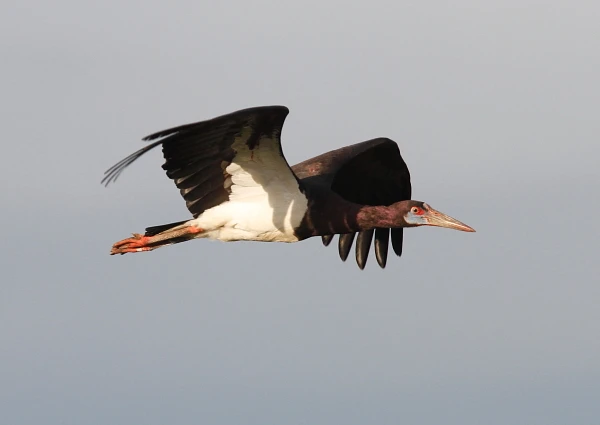

Storks are quite large and graceful, one of the wader families that through their long legs and slow movements can be easily spotted. The most striking features of these birds are besides their different ways of hunting, their omnivorous feeding habits, which in the end, indicates their great importance in the wetland environments as a whole.
Normally, a typical bird will hunt in the shallow areas of the wetlands that include marshland, ponds, rivers, and flooded fields. The Stork bird are very much like cats in their patience and the way they move. They are able to remain absolutely motionless for quite a while just to spot the prey. Then with a deftness reminiscent of lightning, they strike with their pointed beaks and the fish, frogs, insects, or even small reptiles are already caught. The storks' hunting has always been marked by characteristics like accuracy, quietness, and steadiness, not by rush or force.
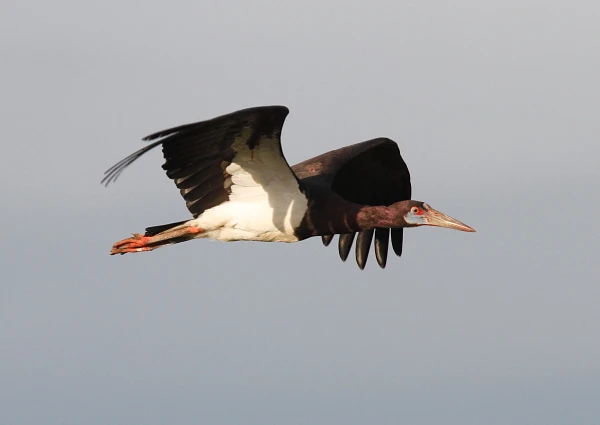
Birds that wade in water have an extremely diverse diet. They do not eat only fish and frogs, but in addition, they might take small mammals, crustaceans, and even bird eggs if the circumstances are right. Their ability to change food choices so fast becomes the reason for their survival in different habitats and alongside that also contributes to their robustness enabling long migrations and daily routing.
Not only are storks exceptional hunters, but they also play a significant part in nature's ecosystem by controlling nature. The storks’ eating habit of the aquatic insects and small animals is an indirect way of controlling the populations that eventually create and maintain biodiversity in the marshes, thus the extinction of a few species due to the other being overpopulated is also prevented.




























Sign in to leave a comment.