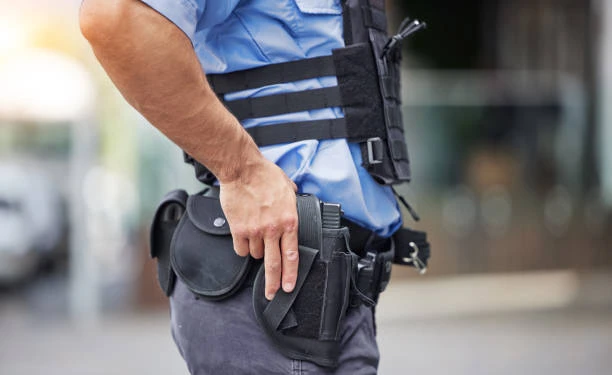

Touring life is intense and unpredictable, filled with nonstop travel, press appearances, and high-energy performances. Behind the scenes, music tour security contractors ensure artists and crew remain safe, secure, and focused. Performers face challenges like crowd surges, intrusive fans, and potential travel disruptions that could jeopardize safety or privacy. Professional tour guards act as a reliable shield, managing risks while allowing artists to focus on delivering exceptional performances. Their expertise ensures the show continues uninterrupted, prompting the question: how do these teams maintain safety and order on the road?
The Hidden Challenges of Life on Tour
Performers encounter risks from fame, exposure, and constant public interaction. Obsessive fans, aggressive paparazzi, and overcrowded venues can create dangerous situations. Tours across unfamiliar cities increase logistical hazards, including transportation delays and venue inconsistencies. Tour security teams anticipate these challenges, implementing strategies to protect artists while reducing stress and mental strain. Their presence provides stability, allowing artists to concentrate on performing and engaging with audiences without distraction or fear, while crowd management and emergency readiness remain seamless.
The Role of a Dedicated Tour Security Team
A coordinated tour security team ensures safety through clearly defined roles:
- Personal Bodyguards: Maintain constant proximity to the artist, preventing unauthorized contact.
- Advance Agents: Survey venues, hotels, and local risks before arrival.
- Crowd Control Specialists: Manage fan interactions and prevent disorder.
- Travel Coordinators: Oversee secure transportation routes and emergencies.
Each member collaborates to cover every angle of protection, maintaining discretion while keeping artists and crews secure from performance venues to transportation hubs.
Pre-Tour Planning and Risk Assessments
Effective tour security begins long before the first show. Guards perform detailed risk assessments, including venue inspections, threat analyses, and contingency planning. Coordination with promoters, law enforcement, and event staff ensures safety protocols are consistently applied. Travel routes, hotel security, and performance schedules are evaluated to reduce vulnerabilities. This thorough preparation minimizes exposure to potential threats, allowing both performers and fans to enjoy concerts safely and enabling security teams to respond quickly to unforeseen challenges.
On-the-Ground Tactics During Tours
Operational security relies on precise measures for real-time protection:
- Controlled Access Points: Restrict entry to authorized personnel, preventing unauthorized access.
- Crowd Flow Management: Use barricades, escorts, and strategic positioning to prevent surges.
- Secure Transport Logistics: Escort vehicles and flexible routes ensure safe travel between locations.
- 24/7 Communication Protocols: Maintain constant contact between ground teams, drivers, and management.
These tactics guarantee artist safety while preserving the concert experience and ensuring fans remain unharmed.
Balancing Visibility and Discretion
Tour guards protect without overshadowing artists’ public image. Their training focuses on subtle positioning, plain attire, and calm behavior, blending seamlessly into the environment. This allows fans to interact naturally while maintaining safety boundaries. By keeping a low profile, guards protect privacy and personal space, ensuring performers can engage audiences without distraction or interference. Their discreet presence balances visibility with authority, creating security that is both effective and unobtrusive.
Working with Local Law Enforcement and Event Staff
Collaboration with local authorities strengthens overall safety. Tour guards coordinate with police and venue staff to manage crowd exits, traffic flow, and emergency response procedures. Sharing risk assessments and operational plans ensures compliance with safety regulations and improves efficiency during high-pressure scenarios. This partnership allows for smooth event operations, from controlled entrances to rapid responses in emergencies, ensuring artist protection is aligned with regional safety requirements.
The Psychological Side of Artist Protection
Beyond physical safety, tour guards offer emotional stability. Handling fans, media, and unforeseen incidents requires professional composure and empathy. Guards anticipate potential stress triggers, de-escalate tense situations, and provide reassurance to performers, fostering trust and confidence. Long-term relationships between artists and security personnel build a strong sense of reliability, allowing performers to focus on creativity and audience engagement while knowing that both personal safety and mental wellbeing are safeguarded.
The Future of Music Tour Security
Tour security is evolving with technological innovations. Biometric verification, drone surveillance, and AI-based crowd analytics improve situational awareness and threat prediction. Advanced data-driven systems allow teams to proactively identify risks before incidents occur. Integration of these tools with expert human judgment ensures comprehensive protection as tours grow larger and more global, combining traditional vigilance with modern innovations to maintain safety in increasingly complex performance environments.
Conclusion
Tour guards keep artists safe through meticulous planning, coordinated action, and discretion. Specialized roles, strategic operations, and emotional intelligence create a reliable safety net behind every successful tour. Music tour security contractors blend professional expertise with technology to manage risks, protect privacy, and maintain order. Their presence ensures that artists can perform without distraction, fans can enjoy events safely, and each tour proceeds smoothly, demonstrating that behind every spectacular performance lies a team devoted to security and protection.
FAQs
What qualifications do music tour security contractors need?
They require experience in crowd management, emergency response, close protection, and strong situational awareness.
How do tour guards prevent crowd-related incidents?
By using controlled access, barriers, and trained personnel to manage flow and maintain safety.
Do security teams accompany artists throughout the tour?
Yes, dedicated teams travel full-time, overseeing accommodations, transport, and on-site safety.
How do tour guards collaborate with local authorities?
They share plans, coordinate emergencies, and ensure compliance with local safety regulations.



























Sign in to leave a comment.