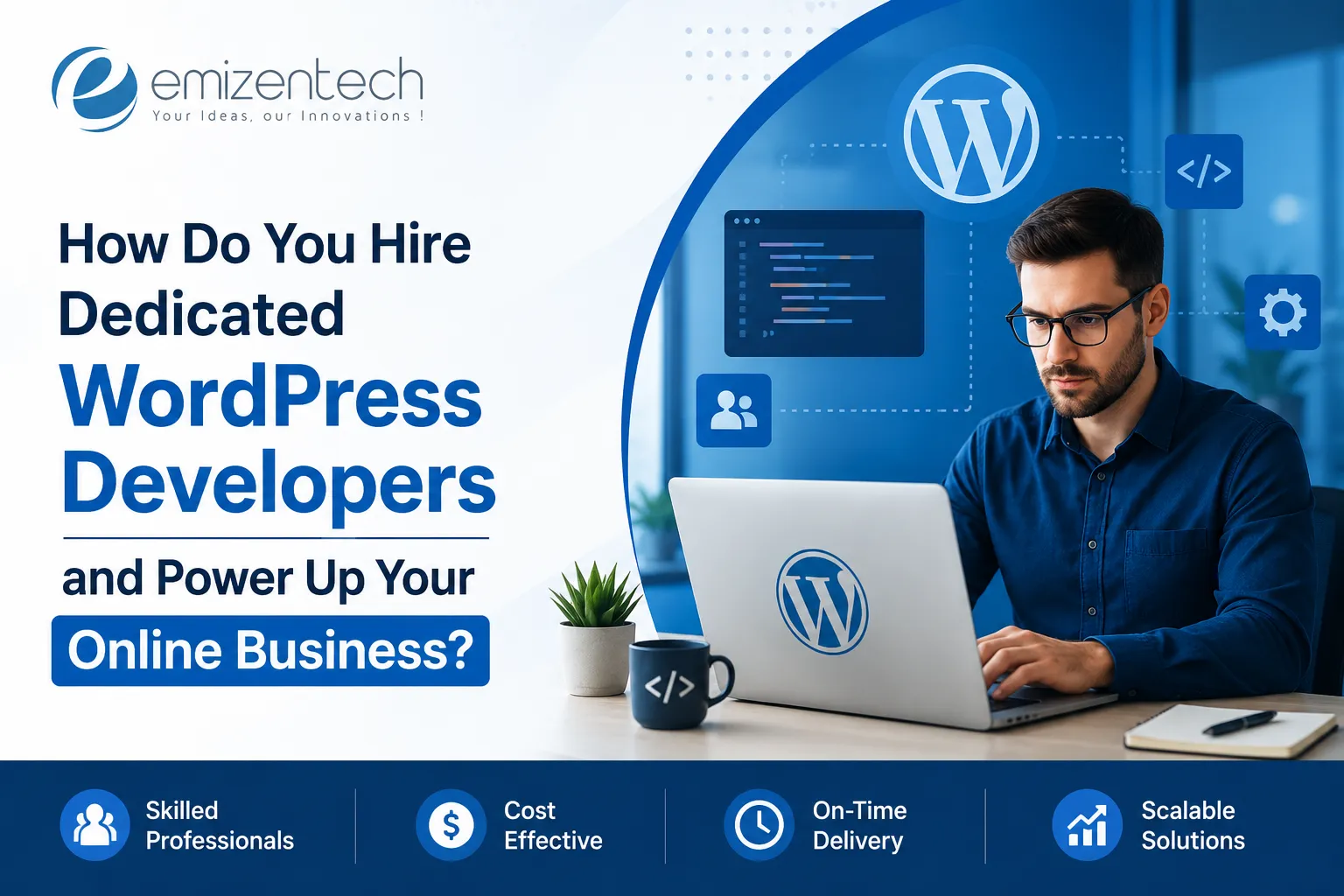


A business website rarely stays the same for long. New pages get added, plugins need updating, page speed starts to matter more as traffic grows, and at some point, the simple setup that worked in year one starts to feel like it's holding things back. This is usually the moment when business owners start looking seriously at bringing in a developer who can treat the website as an ongoing project rather than a one-time task. The question that follows is rarely whether to get help, but how to find the right person for the job and what that working relationship should actually look like.
Why WordPress Still Powers Most Growing Businesses Online?
WordPress runs a large share of the websites on the internet today, and that scale isn't an accident. It works for a small local bakery that needs a simple menu page, and it also works for a mid-sized retailer running a full catalog with thousands of products. The flexibility comes from its plugin ecosystem and the sheer number of developers who understand the platform inside and out. That said, flexibility can become a double-edged sword. A site built with too many plugins stacked on top of each other, with no one really managing how they interact, tends to slow down, break during updates, or become a security risk over time. This is usually where the need for dedicated support starts to show up.
What "Dedicated" Really Means When You Hire a Developer?
The word "dedicated" gets used loosely, so it helps to be specific about it. A dedicated developer is someone who works specifically on your project, ideally getting to know your site's structure, your business goals, and the quirks of your existing setup, instead of jumping between unrelated jobs with no continuity. This is different from a one-off freelancer brought in to fix a single bug and then never spoken to again. When you hire dedicated WordPress developers, you're generally looking for someone who can stick around long enough to understand context, anticipate problems before they happen, and make decisions that align with where the business is heading, not just what's broken today.
For a growing online store, this might mean a developer who understands why checkout abandonment is happening and can make targeted changes to fix it, rather than someone who only touches the site when something visibly stops working.
Skills and Experience to Look for Before You Hire
Not every developer who lists WordPress on their profile brings the same depth of experience, and the gap between someone who can handle basic edits and someone who can solve real structural problems is often wide. Knowing what to look for before signing on with anyone helps avoid a mismatch that only becomes obvious once the work has already started.
Technical Skills Beyond Plugins and Themes
Knowing how to install a plugin is not the same as knowing how to build or modify one. A capable WordPress developer should be comfortable with PHP, MySQL, and the WordPress core architecture, since most real customization work eventually requires going beyond what a plugin's settings panel allows. Familiarity with popular tools in the ecosystem, such as WooCommerce for online stores or Advanced Custom Fields for flexible content structures, is also worth checking. If your site handles any kind of custom functionality, like a booking system or a member portal, ask for examples of similar work the developer has done before. A portfolio with relevant, comparable projects tells you far more than a long list of buzzwords.
Communication and Project Ownership
Technical skill alone doesn't make someone a good fit. Plenty of capable developers struggle with communication, and that becomes a real problem when updates take days to get a response or when a small task quietly turns into a confusing back and forth. During early conversations, pay attention to how clearly the person explains technical decisions. Someone who can describe why a certain plugin choice might cause conflicts, or why a particular hosting setup is slowing things down, in language you can actually follow, tends to be easier to work with long term than someone who answers everything with jargon.
Where to Find the Right Developer
There isn't one single best place to look, but a few approaches tend to work consistently well. Freelance platforms like Upwork or Toptal give access to a wide pool of developers, though filtering through profiles takes time and reviewing past work carefully matters more than star ratings alone. Development agencies, on the other hand, often provide a more structured process, with a project manager involved and a small team backing up the main developer in case of sick days or sudden workload spikes. Referrals from other business owners who have gone through a similar hiring process are also worth pursuing, since they come with a level of honesty that public reviews sometimes lack.
A practical way to test fit before committing to a long-term arrangement is to start with a smaller, well-defined task, like optimizing site speed or fixing a specific bug, and see how the developer handles it. This gives a clearer picture of working style than any interview could.
The Hiring Process Step by Step
Once a shortlist of candidates is ready, the process usually moves through a few predictable stages. It starts with a clear brief describing the current state of the site, the problems you're trying to solve, and what success looks like. Vague briefs lead to vague proposals, so specifics help here, even something as simple as "our homepage takes six seconds to load and we want it under two."
After that comes a technical conversation, where the developer should be asking questions back, not just agreeing to everything. A developer who immediately says yes to every request without asking how the current site is built is often a warning sign rather than a good one. Following that, many businesses run a short trial project before signing on for ongoing work, which helps confirm both technical quality and how smoothly communication flows in practice.
Beyond WordPress: Why Businesses Are Expanding Into Mobile and App Platforms?
As online businesses mature, the conversation often expands beyond the website itself. A retailer that started with a WordPress storefront might eventually look into on demand app development to give customers a faster, more direct way to browse and order, especially if a large share of traffic is already coming from mobile devices. This doesn't replace the website, but it adds another channel where customers expect a similarly smooth experience. Developers who understand both web and app environments tend to be better positioned to keep these platforms consistent with each other, whether that's matching design language or making sure product data stays in sync across both.
Common Mistakes Businesses Make While Hiring
One frequent mistake is choosing based purely on the lowest hourly rate, without checking whether that rate reflects relevant experience. Cheaper work sometimes means more time spent later fixing avoidable mistakes. Another common issue is unclear ownership of accounts and credentials, where a developer ends up with the only access to hosting or domain settings, creating a dependency that becomes a problem if the relationship ends abruptly. Setting up shared access and documentation from day one avoids a lot of future stress.
How a Dedicated Developer Powers Up Your Business Long-Term?
The real value of a dedicated developer shows up gradually. It's the slow accumulation of small improvements, a faster checkout flow, fewer plugin conflicts, a site that doesn't go down during a traffic spike from a successful marketing campaign, that adds up to a noticeably better experience for visitors and customers. Businesses that treat their website as something to maintain and improve, rather than something to set up once and forget, tend to see steadier growth in both traffic and conversions over time.
Conclusion
Hiring the right person to manage and grow a WordPress site is less about finding someone who can fix problems and more about finding someone who understands where the business is headed. Whether that means optimizing an existing store, planning for future growth, or eventually expanding into new platforms, the right developer becomes a long-term partner rather than a one-time fix. Companies like EmizenTech work with businesses through exactly this kind of ongoing development support, helping websites stay reliable and ready to grow as customer expectations keep changing.
Frequently Asked Questions
1. How long does it typically take to hire a dedicated WordPress developer?
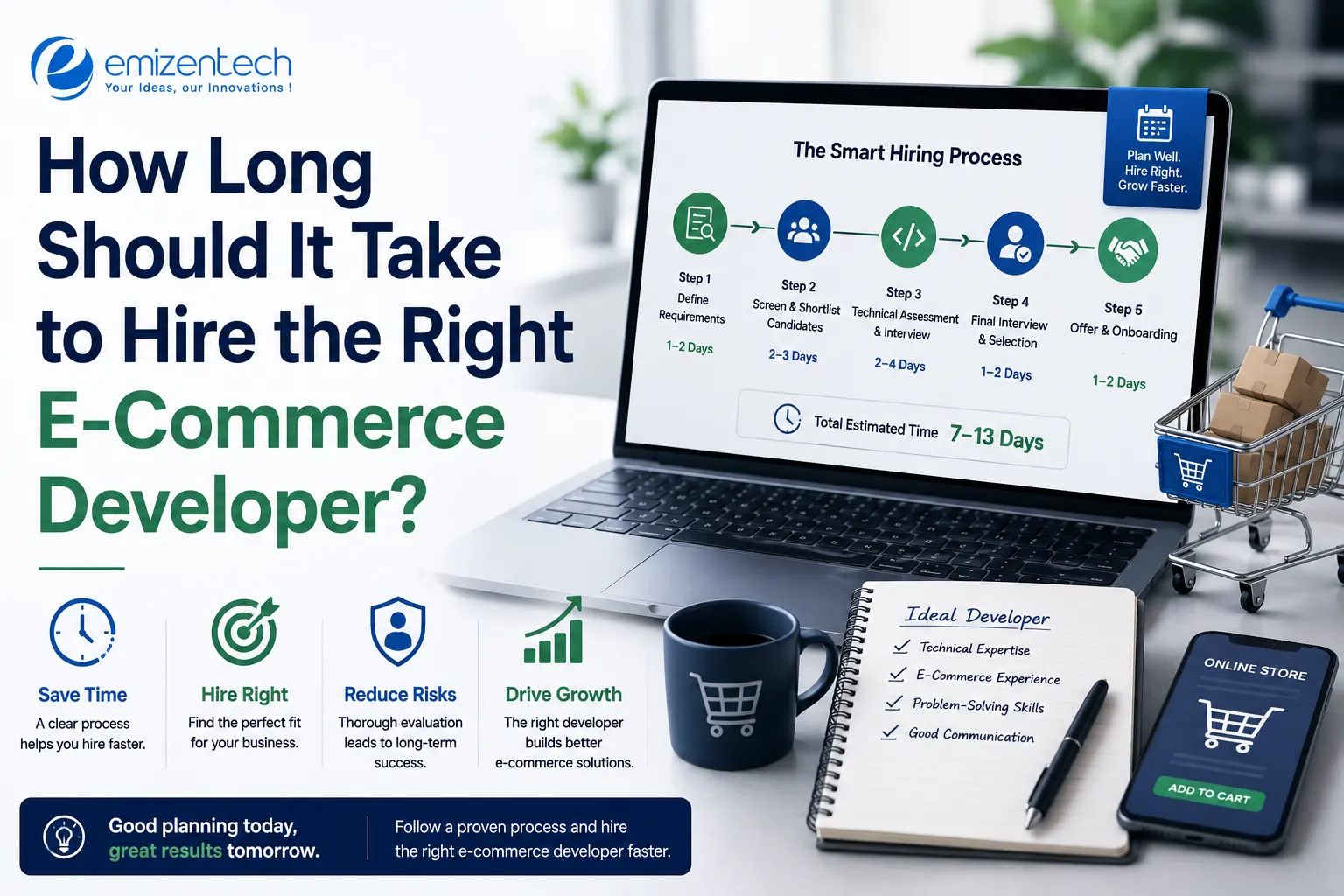
Depending on the hiring channel, the process can take anywhere from a few days through a freelance platform to a few weeks through an agency that involves a more structured vetting process.
2. Can a dedicated WordPress developer also manage hosting and security?
Many developers offer this as part of ongoing maintenance, though it's worth confirming upfront whether hosting management is included or billed separately.
3. Is it necessary to hire a full-time developer, or can part-time support work?
For most small to mid-sized sites, part-time or hourly-based dedicated support is sufficient and more cost-effective than a full-time hire.
4. What's the difference between hiring a developer and using a website builder?
Website builders work well for simple, static sites, but custom functionality, scalability, and ongoing optimization usually require a developer's involvement.

























Sign in to leave a comment.