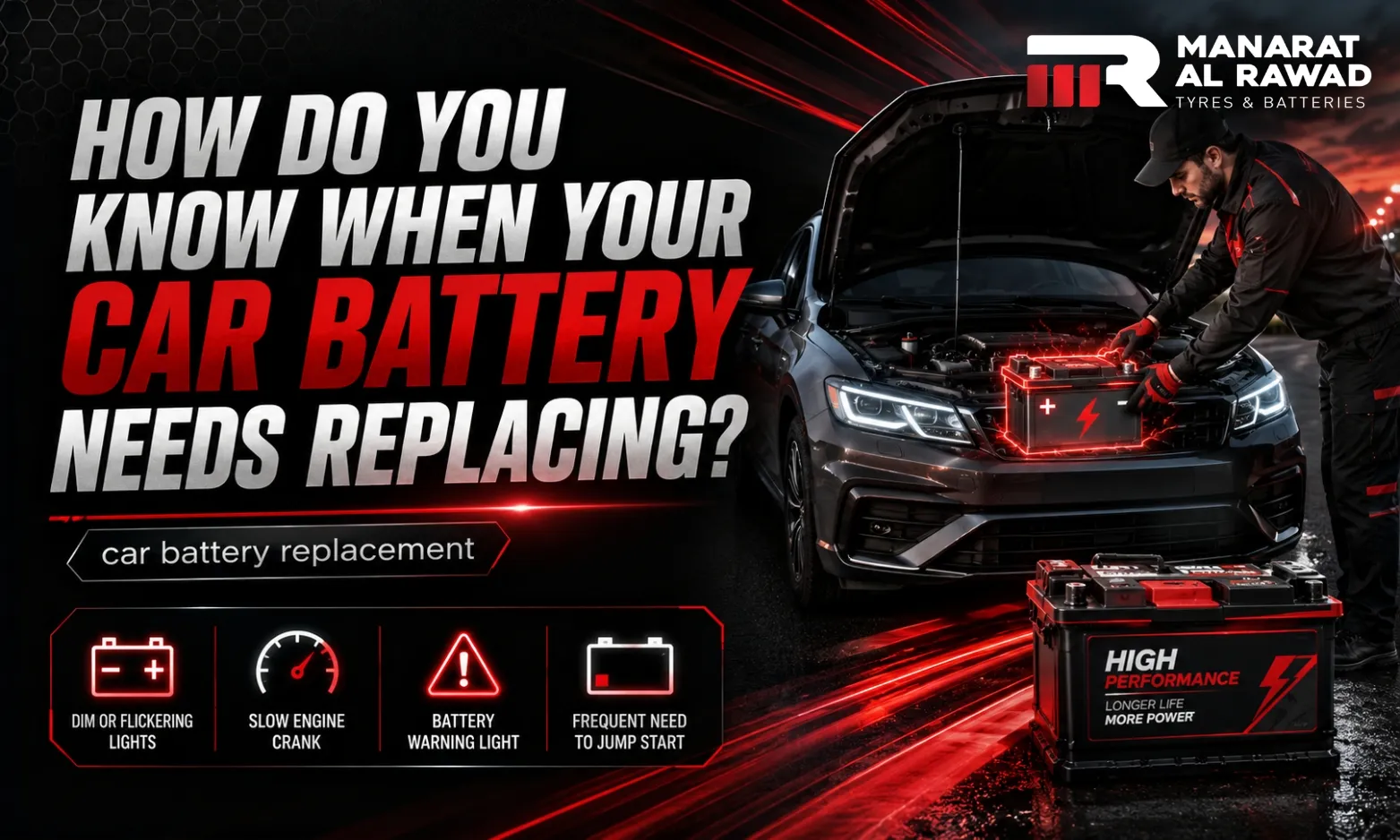

A car battery can gradually lose its ability to provide reliable starting power. While some batteries fail without much warning, many show noticeable symptoms before they stop working completely. Noticing these signs can help drivers decide whether they need battery testing, charging, or replacement.
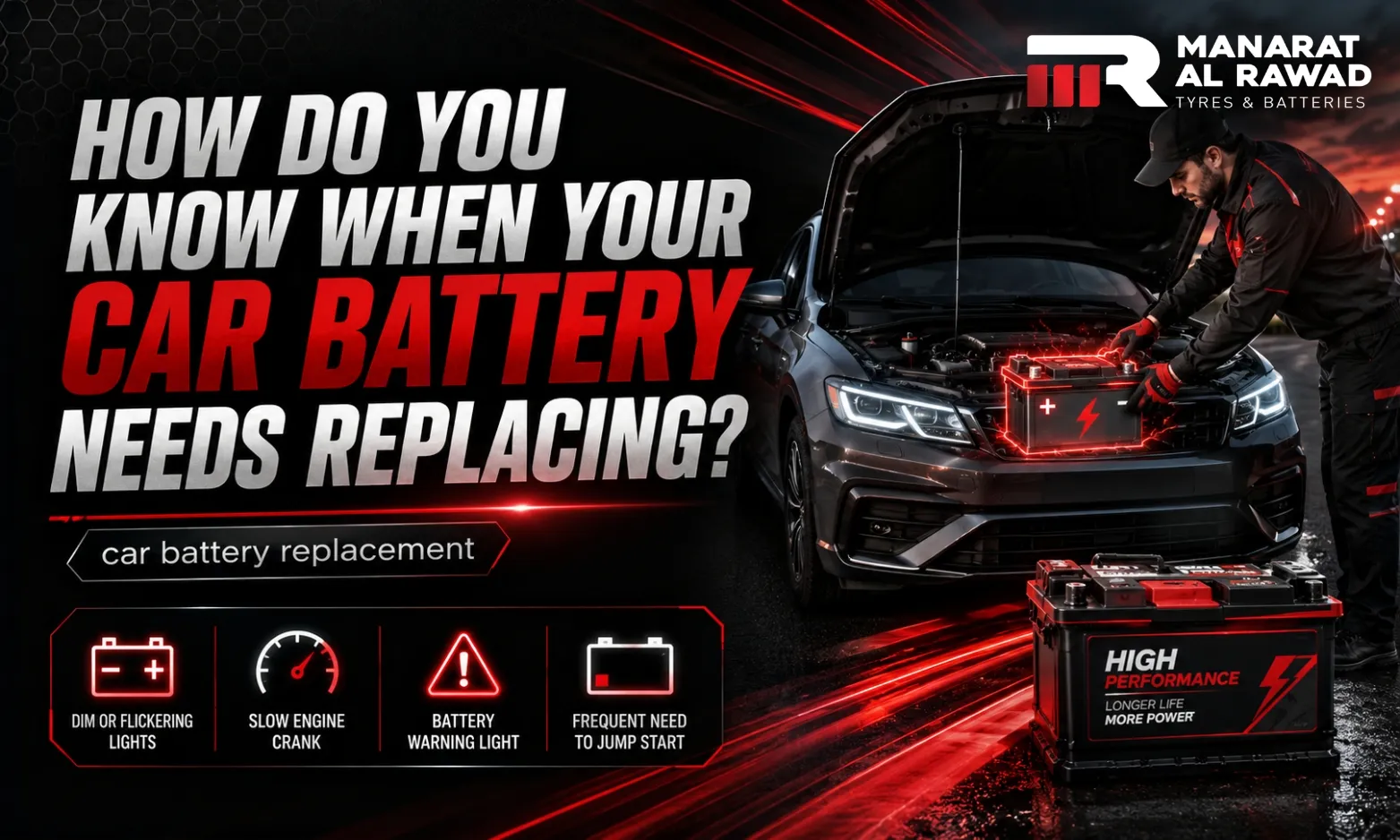
Signs Your Car Battery May Be Weak
One of the most common warning signs is slow engine cranking. If the engine takes longer than usual to start, the battery may not be providing enough power. Repeated slow starts should be investigated rather than ignored.
Dim headlights and interior lights can also indicate a battery or electrical problem. However, these symptoms may have other causes, so testing is useful before deciding on a replacement.
Another important warning sign is needing a jump start service repeatedly. A jump start can restore a temporarily discharged battery, but it does not repair a battery that has reached the end of its useful life. If the same starting problem returns, the battery should be checked.
When Should You Replace the Battery?
Battery age is another factor to consider. Batteries naturally lose performance over time, although their lifespan can vary depending on usage, driving conditions, maintenance, and vehicle requirements.
A proper battery test can help determine whether the battery still has sufficient capacity. If testing confirms that it can no longer hold an adequate charge, car battery replacement may be the most practical solution.
Before installing a replacement battery, it is important to choose one that fits the vehicle’s size, capacity, terminal configuration, and starting requirements. Battery connections should also be inspected for corrosion or looseness.
What If Your Car Won’t Start?
If your vehicle will not start, first consider whether the battery may have been accidentally discharged by leaving lights or accessories on. A jump start may be enough in this situation.
If the vehicle repeatedly fails to start, however, relying on jump starts may only provide a temporary solution. Battery testing can help identify whether replacement is required or whether another component, such as the charging system, may be responsible.
For drivers who cannot conveniently reach a workshop, a mobile battery replacement service can provide assistance at the vehicle’s location, depending on service availability.
Conclusion
Slow cranking, dim lights, repeated jump starts, and declining battery performance are signs worth investigating. Testing the battery before replacement can help determine the actual cause of starting problems.
When testing confirms that the battery has reached the end of its service life, selecting a compatible replacement and having it installed correctly can help restore dependable starting performance.






























Sign in to leave a comment.