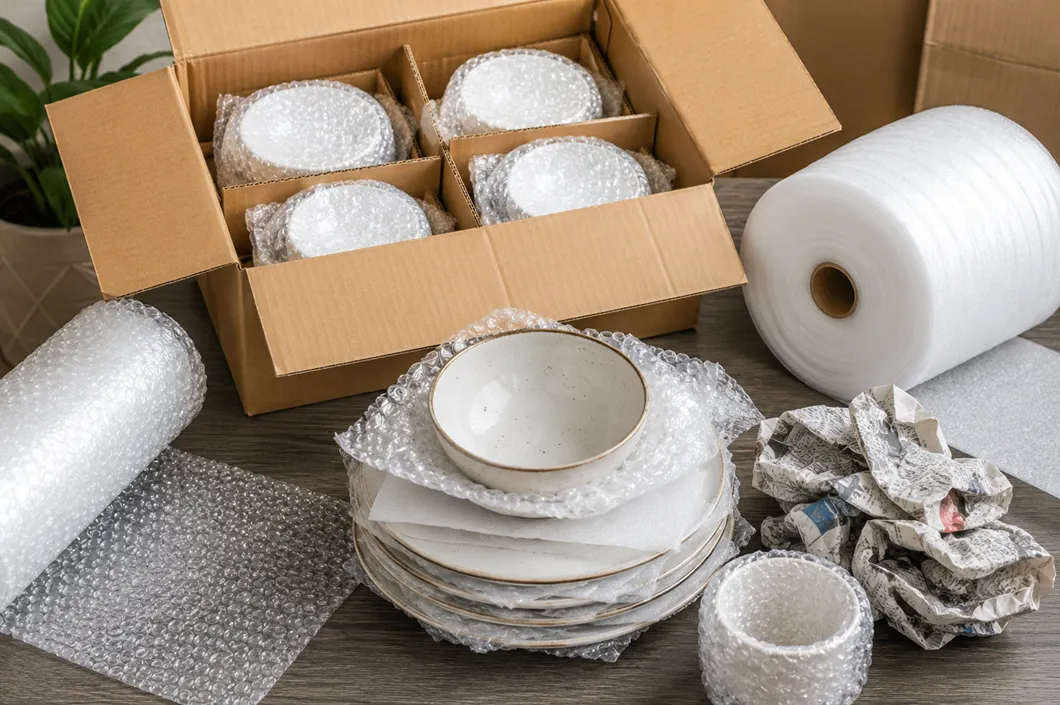

Anyone who has unpacked a moving box and found a favourite plate cracked in half knows how frustrating crockery damage can be. The surprising part is that most breakages do not happen because a parcel was handled carelessly. More often, they happen because the items inside are free to move.
Crockery is one of those product categories that look sturdy until they enter a delivery network. Plates knock against plates, mugs place pressure on their own handles, and serving bowls shift every time the box changes direction. Good packing is less about wrapping everything in excessive material and more about preventing small movements in the first place.
That is why experienced packers focus on building layers of protection around fragile items rather than relying on a single material.
Why Does Crockery Often Break Before It Reaches Its Destination?
A carton can travel through several vehicles and sorting points before it reaches the customer. During that journey, it may be lifted, stacked, tilted, or placed beneath heavier parcels.
The issue is not usually one of dramatic impact. It is the repeated vibration and movement that happens over hours or even days.
A dinner plate rubbing against another plate may develop chips around the rim. A mug handle can weaken if pressure is applied repeatedly. Packaging specialists see this pattern regularly, which is why controlling movement inside the box is considered just as important as cushioning against impact.
The safest parcels are often the ones where the contents cannot move at all.
Which Materials Help Protect Crockery Most Effectively?
No single packaging material can protect every type of crockery. Different items require different forms of protection, and the best results usually come from combining materials.
Protective Cushioning
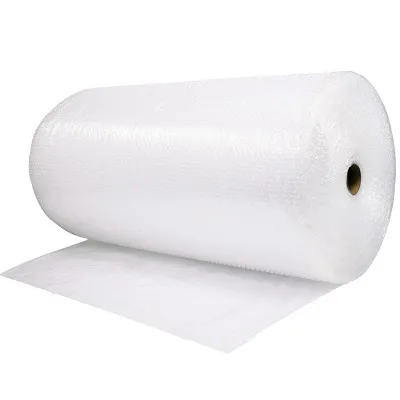
One of the most common ways to protect fragile tableware is by wrapping each piece individually. Many fulfilment teams use bubble wrap because it creates a cushion between delicate surfaces and helps absorb shocks during transport.
The important part is not simply wrapping the item. The wrap should be fitted closely enough to prevent movement without placing unnecessary pressure on the product itself.
Surface Protection
Decorative crockery often needs protection from scratches and impacts.
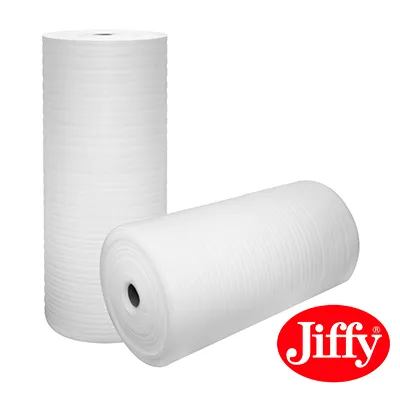
Many packers use foam wrap rolls when dealing with glazed ceramics, serving dishes, or premium tableware collections. The material creates a soft barrier that helps preserve the finish while providing an additional protective layer around fragile items.
This is particularly useful for products shipped directly to customers rather than moved between storage locations.
Filling Empty Spaces
A well-wrapped product can still be damaged if it is allowed to move around inside the carton.
Materials such as newspaper offcuts, kraft paper, and packing paper are commonly used to fill gaps and stabilise the contents. Their role is simple: keep everything where it was originally packed.
Experienced warehouse teams often spend as much time filling empty spaces as they do wrapping the products themselves.
Protection For Smaller Items
Teacups, espresso cups, and smaller decorative pieces often have awkward shapes that require more precise cushioning.
For these products, small bubble wrap is often easier to work with because it conforms neatly around handles, rims, and curved surfaces without adding unnecessary bulk to the package.
How Should Different Crockery Pieces Be Packed?
Different products behave differently during transit, so packing methods should reflect that.
Plates
Plates are generally safer when packed on their edge rather than stacked flat. This allows pressure to be distributed more evenly and reduces the risk of cracking.
Each plate should be wrapped separately before being placed inside the carton with cushioning between groups.
Bowls And Serving Dishes
Bowls can often be nested, but they still require protection between each layer. A simple cushioning layer helps reduce friction and the likelihood of edge chipping.
Larger serving dishes may need extra padding around corners and rims because those areas are more vulnerable to damage.
Cups And Mugs
The handle is usually the weakest part of a mug or cup. Extra protection around this section can make a significant difference during transportation.
Many packing teams prefer small bubble wrap for these items because it fits neatly around the handle without creating excessive thickness.
Complete Dinner Sets
When packing a full crockery collection, organisation becomes just as important as protection.
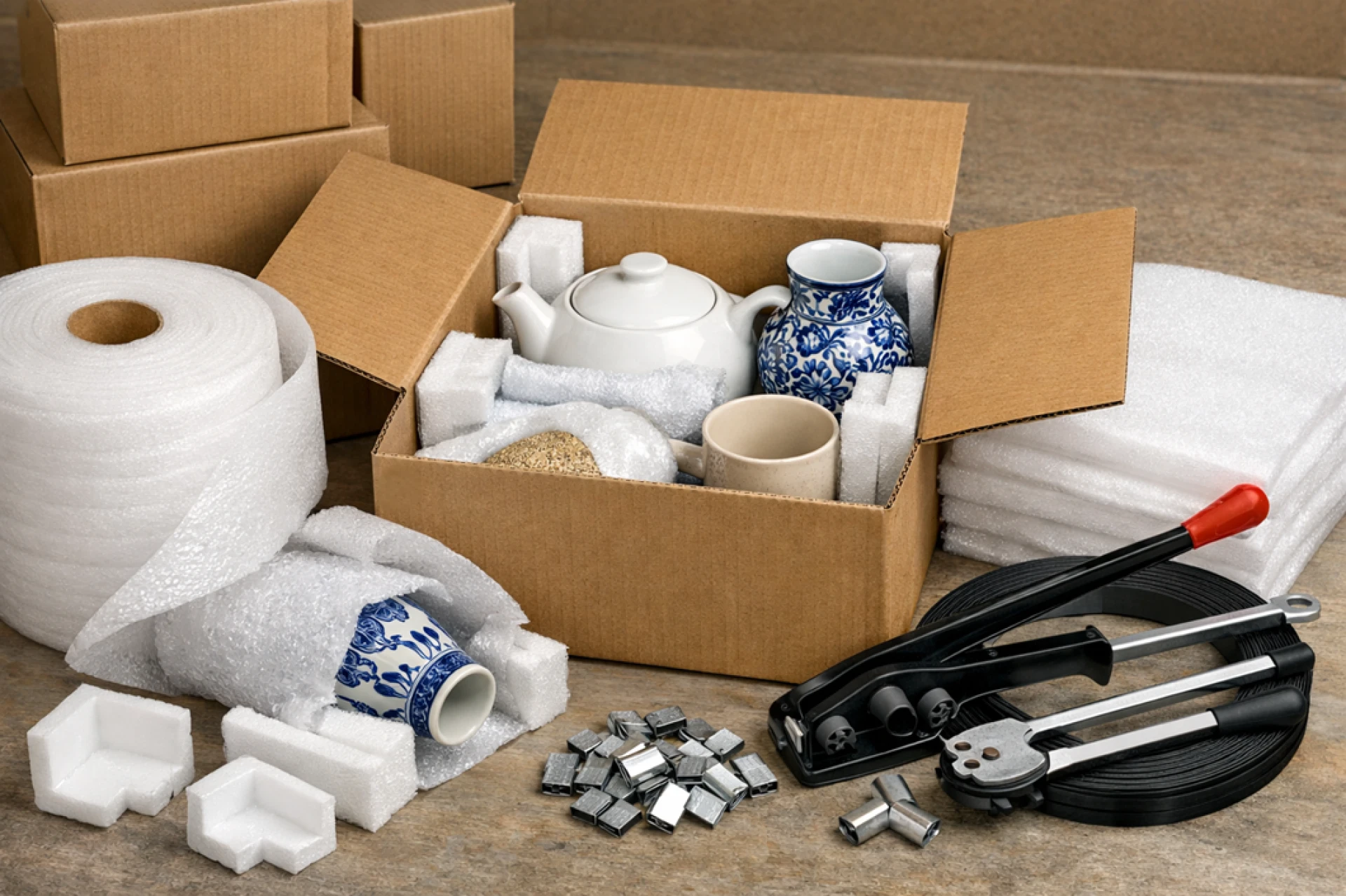
Using dividers, corrugated inserts, and separate compartments helps prevent pieces from coming into contact with one another. This method is widely used by retailers shipping premium tableware and gift sets.
What Mistakes Lead to Unnecessary Breakages?
One common mistake is choosing a box that is far larger than necessary. Extra space often means extra movement.
Another is placing multiple items together without individual wrapping. Even minor contact between ceramic surfaces can cause chips and scratches during transit.
Insufficient void fill is another frequent issue. Materials such as newspaper offcuts are often used because they help keep products stable and reduce movement inside the carton.
Finally, many people focus entirely on the product and overlook the carton itself. A strong box remains one of the most important parts of the entire packing process.
Conclusion
Packing crockery successfully comes down to controlling movement. Individual wrapping, sturdy cartons, protective cushioning, and careful use of filling materials all contribute to safer deliveries. When each item is properly secured and protected from contact with neighbouring pieces, the risk of damage drops dramatically, giving customers one less thing to worry about when opening the box.


























Sign in to leave a comment.