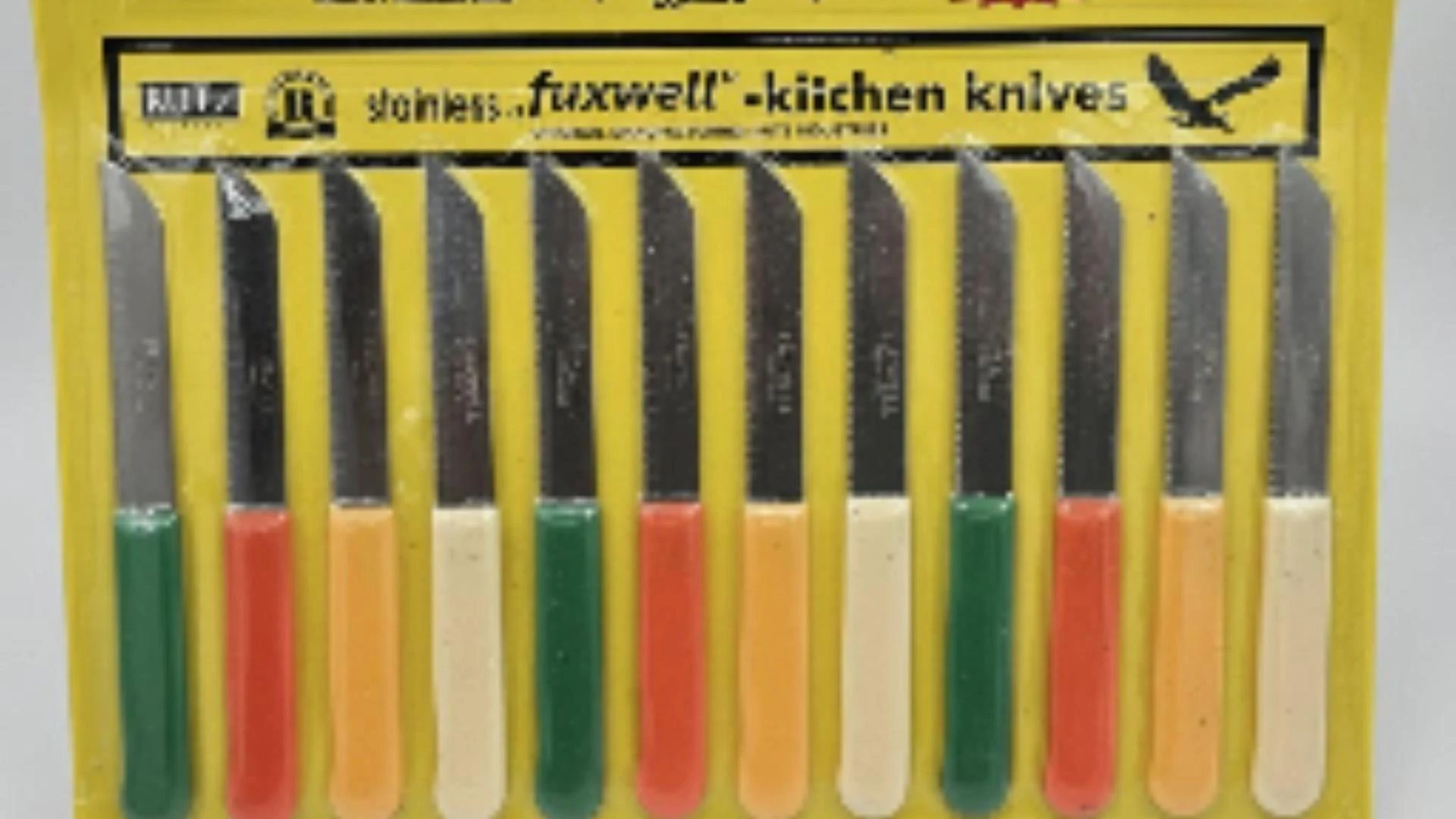

A knife might look fine on the rack, but looks can fool you. One weak blade can slow down prep, waste food, and even cause injuries. That is why testing cutlery quality is a big deal, especially when buying in bulk. This guide breaks down how to test Wholesale Kitchen Cutlery the smart way. It also explains what buyers expect when shopping through a Retail Kitchen Supply in Vernon, CA.
Think of this as a hands-on checklist. No fancy talk. Just clear steps that actually help you figure out if a knife is worth it or not.
Table of Contents
- Why Testing Cutlery Quality Matters
- Understanding Blade Materials
- Simple Ways to Test Sharpness
- Balance and Comfort Checks
- Handle Safety and Strength
- Durability and Daily Use Tests
- Cleanliness and Maintenance
- Key Takeaway
- FAQs
Why Testing Cutlery Quality Matters
First things first. Wholesale knives are not casual tools. They get used every day. Sometimes nonstop. If quality slips, problems show up fast. Blades dull. Handles loosen. Staff get frustrated.
For sellers and buyers dealing with Wholesale Kitchen Cutlery, testing avoids returns and complaints. It also builds trust. Kitchens rely on tools that work right every time. There is no room for guesswork.
Understanding Blade Materials
Before you test a knife, you should know what it is made of.
Common Blade Materials
Most wholesale knives used:
- Stainless steel
- High-carbon steel
- Steel blends
Stainless steel is easy to clean and fights rust. High-carbon steel stays sharp longer but needs more care. Blends try to balance both.
Start with a visual check. The blade should look smooth and even. No stains. No rough patches. If it looks sloppy, that is usually a bad sign.
Simple Ways to Test Sharpness
Sharpness is where the real test begins.
Easy Sharpness Checks
You do not need machines or tools. Try this instead:
- Paper test: Slice a sheet of paper. A good knife cuts clean.
- Tomato test: The blade should glide through the skin without pressure.
- Edge test: Lightly touch the edge with a fingernail. It should grip a bit.
If the blade struggles here, it will struggle in a real kitchen too.
Balance and Comfort Checks
A knife should feel right the moment you pick it up.
Balance Test
Grab the knife close to the blade instead of at the end of the handle. It should not tip too far forward or back. Balanced knives are easier to control. They also reduce wrist strain.
Comfort Test
Grip the handle and hold it for a minute or two. Ask yourself:
- Does it feel awkward?
- Does it pinch your hand?
- Does it feel slippery?
Comfort matters more than people think. Long shifts make small issues feel huge.
Handle Safety and Strength
Handles matter just as much as blades.
What to Check on Handles
Look closely for:
- Gaps where the blade meets the handle
- Loose rivets or screws
- Sharp edges near the grip
Handles should feel solid. No wiggle. No cracks. A weak handle can lead to accidents and hygiene issues.
Durability and Daily Use Tests
Wholesale knives need to hold up under pressure.
Simple Durability Checks
Try these steps:
- Flex test: Gently bend the blade. It should spring back straight.
- Drop test: A short drop should not loosen the handle.
- Repeat cutting: Cut several items in a row. The edge should stay sharp.
Durability tests show whether a knife can survive daily kitchen work or not.
Cleanliness and Maintenance
Clean knives are safer knives.
Hygiene Checks
Good Wholesale Kitchen Cutlery should:
- Clean easily with soap and water
- Resist stains and odors
- Have smooth surfaces without deep grooves
Poor design traps food and bacteria. That is a problem for any kitchen supplier or buyer.
Important Note
Testing cutlery quality does not need to be complicated. You just need to understand what to look for. Check the blade material. Test sharpness. Feel the balance. Inspect the handle. Push it through basic durability tests. These steps help buyers and sellers make better decisions, especially in a Retail Kitchen Supply in Vernon CA. When knives pass these tests, they are more likely to last and perform well.
FAQs
How do you test the sharpness of wholesale kitchen cutlery?
Use paper or tomatoes. A sharp knife cuts clean without tearing or pressure.
Why is balance important in kitchen knives?
Balanced knives improve control and reduce hand fatigue during long prep hours.
What handle features should I inspect first?
Check for loose parts, gaps, cracks, and uncomfortable grip areas.
How can I tell if a knife is durable?
Test blade flexibility, handle strength, and edge retention after repeated cutting.
Is stainless steel better for wholesale use?
Stainless steel is easier to maintain and resists rust. It works well for most kitchens.
At the end of the day, good knives make kitchen work smoother. Test them well, and they will not let you down!


























Sign in to leave a comment.