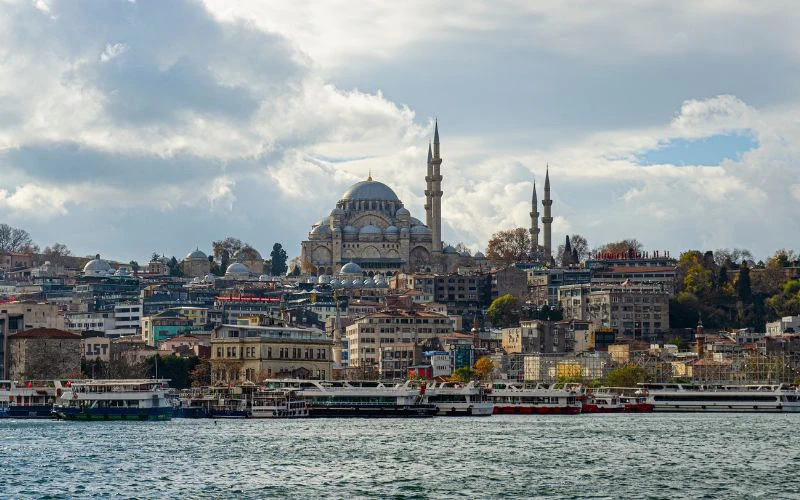

If you’re planning a trip across Turkey, one thing becomes clear very fast: distances look short on the map, but the country is big. Bigger than most people expect. And how you move between cities will shape your whole experience more than which hotel you pick.
I’ve done it every way possible. Overnight buses. Short domestic flights that somehow still took half a day. Long train rides with too much tea. Rental cars that felt freeing one day and exhausting the next. There’s no single “best” way—only what fits your route, your energy, and your tolerance for small inconveniences.
This is exactly why many first-time visitors quietly lean toward Guided Turkey holiday packages for UAE residents at the planning stage. Transport logistics here are easy once you understand them—but confusing if you don’t.
Let’s break it down, honestly.
Domestic flights – fast, affordable, and sometimes deceptive
Flying between major cities in Turkey is surprisingly cheap. Routes like Istanbul to Izmir or Ankara often cost less than a long-distance bus.
On paper, flights are quick. One hour here. Ninety minutes there.
In reality, door-to-door time adds up.
Istanbul alone has two major airports, and neither is exactly “close.” Add traffic, security lines, boarding delays, baggage waits. Suddenly your one-hour flight eats half your day.
My rule? Fly when:
- The distance is long (Istanbul to eastern Turkey, for example)
- You’re short on time
- You’re okay trading flexibility for speed
Most people miss this: early morning flights are usually smoother. Fewer delays. Less stress. Worth waking up early.
Intercity buses – the backbone of Turkey travel
Turkey’s long-distance buses are excellent. I don’t say that lightly.
They’re clean. Reliable. Frequent. And they reach everywhere—even towns flights and trains ignore. Companies like Metro, Pamukkale, and Kamil Koç run routes all day and night.
Seats recline more than you expect. Snacks appear without warning. Tea flows constantly.
But here’s where trips often go wrong: underestimating time. A six-hour bus ride can feel like eight. Stops add up. Traffic happens. Mountains slow things down.
Overnight buses save money and time, but sleep quality varies. Light sleepers struggle. Bring an eye mask. Always.
If you want to see real Turkey—not just tourist hubs—buses are unavoidable. And honestly, kind of charming once you accept the rhythm.
Trains – improving, scenic, but limited
Train travel in Turkey is better than it used to be, especially on high-speed routes like Istanbul–Ankara.
The high-speed trains are modern, comfortable, and punctual by regional standards. When they work, they’re great.
The problem? Coverage.
Trains don’t reach many popular destinations. Cappadocia? No direct train. Coastal towns? Mostly no. Eastern routes exist but take time and patience.
I use trains when:
- The route is direct
- I want a calmer travel day
- I’m not in a rush
Otherwise, buses or flights win.
Renting a car – freedom with fine print
Driving in Turkey can be a joy or a headache. Sometimes both on the same day.
Highways between major cities are excellent. Signage is clear. Fuel stations are frequent. In regions like the Aegean coast or around Cappadocia, having a car feels like a gift.
Then there’s city driving.
Istanbul traffic is legendary—and not in a good way. Parking is scarce. Lanes feel optional. This is where confident drivers question their life choices.
Rent a car if:
- You’re exploring rural areas
- You want flexibility
- You’re okay navigating unfamiliar road culture
Skip it in big cities. Use public transport and taxis instead. Your nerves will thank you.
Domestic ferries – underrated and oddly peaceful
Ferries don’t connect cities across the whole country, but where they exist, they’re gold.
Istanbul’s ferries alone feel like moving postcards. Crossing between the European and Asian sides by boat never gets old, no matter how many times you do it.
On the Aegean coast, ferries link nearby towns and islands, though schedules can change seasonally. Always double-check times the day before. Turkish punctuality improves dramatically when water is involved—but surprises still happen.
Combining transport types – the smart approach
Most real itineraries mix everything.
Fly long distances. Bus medium ones. Drive locally. Ferry when possible.
The mistake many travelers make is sticking rigidly to one mode. Turkey rewards flexibility. Plans shift. Weather changes. A local suggests a better route over tea.
That’s also why guided itineraries work well here. Not because independent travel is hard—but because coordination takes time. And sometimes you’d rather spend that time wandering a market than figuring out bus terminals.
Small, real-world tips you’ll be glad you knew
- Bus stations (otogars) are often far from city centers. Factor that in.
- Domestic flights allow limited baggage. Check before packing heavy.
- Trains sell out on weekends. Book ahead.
- Night buses save hotel costs but cost energy the next day.
- Always confirm which Istanbul airport your flight uses. Always.
Conclusion: choosing the right way to move in Turkey
Traveling between cities in Turkey isn’t complicated—but it is layered. Each option works best in specific situations. Flights save time but steal flexibility. Buses are reliable but long. Trains are pleasant but limited. Cars offer freedom with responsibility.
If you enjoy planning and adapting, mixing transport types can be part of the adventure. If you’d rather focus on experiences than logistics, Guided Turkey holiday packages for UAE residents quietly remove a lot of friction without removing authenticity.
Either way, understand your routes before you book. That single step makes the entire journey smoother—and far more enjoyable.
FAQs
1. What is the cheapest way to travel between cities in Turkey?
Long-distance buses are usually the most affordable and widely available.
2. Is flying always faster than taking a bus?
Not always. Airport transfers and waiting time can cancel out short flights.
3. Are Turkish buses safe for tourists?
Yes. They’re generally very safe, clean, and professionally run.
4. Can I travel comfortably without renting a car?
Absolutely. Most travelers do, especially in major regions.
5. Is public transport English-friendly?
Basic English is common in airports and major stations, but not guaranteed everywhere.



Sign in to leave a comment.