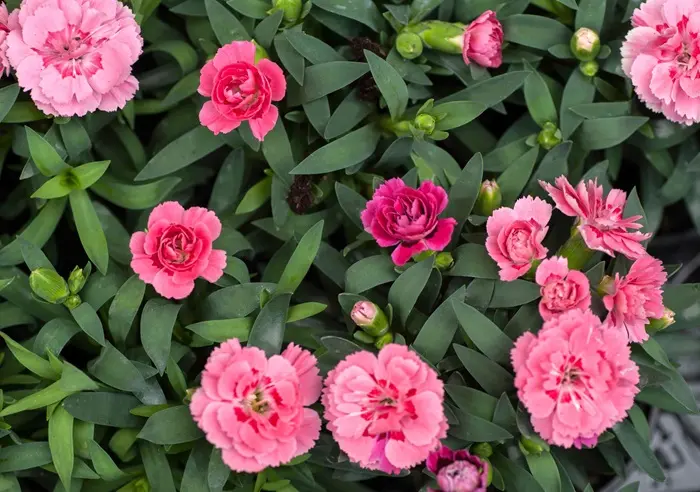

Carnations have long held a prominent place in cultural rituals, personal expressions, and symbolic traditions across the world. Known for their ruffled petals and subtle fragrance, these flowers are far more than decorative elements; they carry deep emotional meanings shaped by centuries of use in ceremonies and interpersonal communication. Carnation Symbolism reflects a rich tapestry of sentiments, including love, remembrance, admiration, and devotion, making the flower a powerful emblem of enduring emotional bonds.
Unlike more exotic or rare blooms, carnations possess an accessible and familiar quality that enhances their symbolic strength. Their widespread presence in both formal and informal settings has allowed them to become deeply embedded in cultural memory. From ancient rites to modern celebrations, Carnation Symbolism continues to serve as a bridge between personal feeling and shared tradition.
The Cultural Roots of Carnation Symbolism
Ancient Associations and Sacred Meaning
The origins of Carnation Symbolism can be traced back to ancient civilizations, where the flower was often linked to divine or sacred concepts. In some traditions, carnations were believed to have emerged from tears or acts of devotion, giving them a spiritual dimension that persists in their symbolic interpretation. This early association with sacred emotion laid the foundation for their later use in religious and ceremonial contexts.
Carnations were also valued for their resilience and longevity, qualities that contributed to their symbolic connection with enduring love and fidelity. These characteristics made them suitable for rituals that emphasized continuity, such as marriage ceremonies and commemorations of the departed.
Evolution Through European Traditions
During the medieval and Renaissance periods in Europe, Carnation Symbolism became more refined and codified. The flower began to appear in art, literature, and courtly customs as a symbol of affection and commitment. Its presence in paintings often conveyed subtle messages about relationships, loyalty, and emotional depth.
As floral symbolism developed into a language of its own, carnations acquired specific meanings based on their color and context. This system allowed individuals to communicate complex emotions through simple gestures, reinforcing the flower’s role as a vehicle for sentimental expression.
Carnations in Ritual and Ceremony
Expressions of Love and Devotion
One of the most enduring aspects of Carnation Symbolism is its association with love and devotion. Carnations are frequently used in romantic contexts, where they symbolize deep affection and lasting commitment. Their layered petals can be seen as a metaphor for the complexity and richness of emotional bonds.
In weddings, carnations often appear as part of bouquets, boutonnieres, and decorations, representing the union of two individuals and the enduring nature of their relationship. Their presence in such ceremonies highlights their role as symbols of both personal and communal sentiment.
Memorial and Remembrance Traditions
Carnation Symbolism also plays a significant role in traditions of remembrance. The flower is commonly used in funerals and memorial services, where it represents respect, love, and the enduring connection between the living and the deceased. Its ability to convey both sorrow and reverence makes it particularly suited to these contexts.
In many cultures, carnations are placed on graves or used in commemorative events to honor those who have passed. This practice reinforces the idea that emotional bonds persist beyond physical separation, a central theme in the symbolism of the flower.
The Language of Color in Carnation Symbolism
Variations in Meaning
Color plays a crucial role in shaping Carnation Symbolism, with different hues conveying distinct emotional messages. Red carnations are often associated with deep love and admiration, while white carnations symbolize purity and innocence. Pink carnations are frequently linked to gratitude and remembrance, adding another layer of meaning to their use in various contexts.
These variations allow carnations to function as a nuanced form of communication. By selecting specific colors, individuals can tailor their message to reflect particular emotions or intentions, enhancing the expressive power of the flower.
Cultural Interpretations of Color
The meaning of carnation colors can vary across cultures, reflecting different traditions and values. In some societies, certain colors may carry additional or alternative meanings, further enriching the symbolic landscape. This adaptability contributes to the enduring relevance of Carnation Symbolism in a global context.
Despite these variations, the underlying themes of love, respect, and emotional connection remain consistent, underscoring the universal appeal of the carnation as a symbol.
Carnations in Modern Sentimental Practices
Celebrations and Personal Milestones
In contemporary society, Carnation Symbolism continues to play a vital role in marking personal milestones and celebrations. The flower is commonly used in events such as birthdays, anniversaries, and graduations, where it serves as a token of appreciation and affection.
Its versatility and accessibility make it a popular choice for expressing sentiment in everyday life. Whether given as a single bloom or as part of a larger arrangement, carnations retain their ability to convey meaningful emotion.
Institutional and Social Traditions
Carnations are also associated with various institutional and social traditions. They are often used in ceremonies that recognize achievement, honor individuals, or commemorate significant events. In these contexts, Carnation Symbolism extends beyond personal expression to encompass collective values and shared experiences.
The flower’s presence in such settings reinforces its role as a symbol of respect and recognition, bridging the gap between individual भावना and communal acknowledgment.
Emotional Depth and Psychological Resonance
The Power of Familiarity
One of the reasons Carnation Symbolism resonates so strongly is its familiarity. Unlike more exotic flowers, carnations are widely recognized and understood, allowing them to serve as effective carriers of emotional meaning. This familiarity enhances their impact, making them accessible to a broad audience.
The flower’s consistent association with key life events further strengthens its symbolic power. Over time, these associations become ingrained in cultural consciousness, creating a shared language of sentiment.
Symbolism as Emotional Expression
Carnation Symbolism provides a means of expressing emotions that may be difficult to articulate in words. The act of giving or receiving carnations can convey feelings of love, gratitude, or remembrance in a direct and tangible way.
This symbolic function is particularly valuable in situations where verbal communication may be insufficient or inappropriate. By serving as a visual and sensory representation of emotion, carnations facilitate meaningful connections between individuals.
The Enduring Legacy of Carnation Symbolism
Continuity Across Generations
The longevity of Carnation Symbolism is a testament to its adaptability and relevance. Despite changes in cultural practices and aesthetic preferences, carnations have maintained their place as symbols of sentiment and tradition. Their ability to evolve while preserving core meanings ensures their continued significance.
Generations pass down the use of carnations in rituals and celebrations, reinforcing their role as carriers of cultural memory. This continuity allows the flower to remain a vital part of both personal and collective identity.
A Living Tradition
Carnation Symbolism is not static; it continues to develop as new contexts and interpretations emerge. Modern uses of the flower reflect contemporary values while drawing on historical associations, creating a dynamic interplay between past and present.
This living tradition ensures that carnations remain relevant in an ever-changing world. Their enduring appeal lies in their ability to adapt while maintaining a deep connection to fundamental human emotions.
Conclusion
Carnation Symbolism reflects a profound and enduring tradition of sentimental expression that spans cultures and generations. Through its associations with love, remembrance, and emotional connection, the carnation has become a powerful emblem of human भावना and shared experience.
From ancient rituals to modern celebrations, the flower continues to serve as a bridge between personal feeling and collective tradition. Its versatility, accessibility, and rich symbolic heritage ensure that it remains a meaningful part of human expression.
By embodying both continuity and adaptability, Carnation Symbolism captures the essence of sentimental tradition. It stands as a reminder that even in a rapidly changing world, the need to express and honor emotion remains constant, and the carnation continues to fulfill this timeless role with grace and depth.


























Sign in to leave a comment.