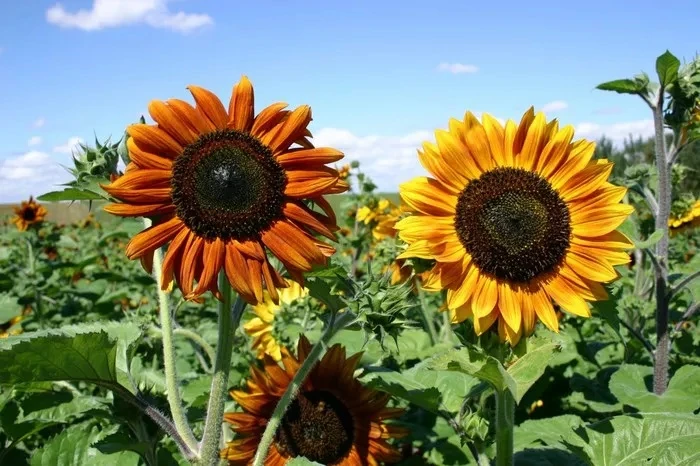

Sunflowers are among the most recognizable and beloved flowers in the world, admired for their bright appearance and striking resemblance to the sun. Beyond their visual appeal, they carry deep symbolic meanings that have developed across cultures and centuries. Among the most prominent interpretations is their association with faithfulness and loyalty.
The study of Sunflower Symbolism reveals that this connection is not arbitrary. Instead, it arises from a combination of botanical behavior, mythological narratives, cultural traditions, and psychological associations. By examining these layers, it becomes clear why sunflowers have come to represent steadfast devotion and enduring commitment.
The Natural Behavior That Defines Sunflower Symbolism
One of the most significant reasons sunflowers symbolize loyalty lies in their unique biological characteristic known as heliotropism. Young sunflowers track the movement of the sun across the sky, turning their faces from east to west throughout the day.
This consistent orientation toward a single source of light has been interpreted as a metaphor for unwavering devotion. The flower appears to “follow” the sun with dedication, reflecting a form of natural faithfulness that resonates deeply with human concepts of loyalty.
As the sunflower matures, it often settles facing east, maintaining a steady position even after its tracking behavior slows. This transition can be seen as a symbol of enduring commitment, where initial pursuit evolves into stable, lasting devotion.
The natural behavior of the sunflower thus provides a powerful visual representation of loyalty, making it a compelling symbol across different cultures.
Mythological Foundations of Loyalty
The Story of Unwavering Devotion
In classical mythology, the symbolism of the sunflower is often linked to stories of transformation and devotion. One well-known narrative tells of a figure who becomes so devoted to a solar deity that they are transformed into a flower that continually faces the sun.
This myth reinforces the idea of unchanging loyalty, where devotion persists even beyond transformation. The sunflower becomes a living embodiment of this steadfast attachment, representing a love or commitment that does not waver.
Symbolism of Transformation
The mythological connection also introduces the theme of transformation as an expression of loyalty. The act of becoming a sunflower signifies the ultimate dedication, where identity itself is reshaped by devotion.
This element of transformation adds depth to Sunflower Symbolism, suggesting that true loyalty involves not only persistence but also the willingness to change and grow in response to what one values most.
Cultural Interpretations Across the World
Sunflowers in Eastern Traditions
In various Eastern cultures, sunflowers are associated with positivity, vitality, and constancy. Their consistent orientation toward the sun is interpreted as a sign of faithfulness to a guiding principle or source of energy.
This interpretation extends beyond romantic loyalty to include spiritual and moral commitment. The sunflower becomes a symbol of remaining true to one’s path, even in the face of challenges.
Western Associations with Loyalty
In Western traditions, sunflowers have often been linked to themes of admiration and steadfast affection. They are frequently used in art and literature to represent enduring relationships.
The bright and open nature of the sunflower also conveys honesty and transparency, qualities that are essential for trust and loyalty. These associations reinforce the flower’s role as a symbol of faithful connection.
The Role of Color and Form
The Meaning of Bright Yellow
The vibrant yellow color of sunflowers plays a significant role in their symbolic meaning. Yellow is often associated with warmth, energy, and positivity, all of which contribute to the idea of a loyal and supportive presence.
This color evokes feelings of comfort and reassurance, suggesting that loyalty is not only about consistency but also about bringing light and encouragement to others.
Structural Strength and Stability
The physical structure of the sunflower also contributes to its symbolism. Its tall, sturdy stem and large, open face create an impression of strength and resilience.
This stability reflects the qualities of loyalty, which require endurance and the ability to withstand external pressures. The sunflower’s form embodies the idea of standing firm and remaining true over time.
Psychological Dimensions of Sunflower Symbolism
Visual Representation of Devotion
Humans often interpret natural phenomena through symbolic lenses, and the sunflower’s behavior provides a clear and relatable image of devotion. The act of turning toward the sun mirrors the human tendency to focus on what is valued or loved.
This visual metaphor makes Sunflower Symbolism particularly powerful, as it translates abstract concepts like loyalty into observable actions.
Emotional Resonance
The sunflower’s appearance evokes positive emotions, which enhance its symbolic meaning. Its bright color and open form create a sense of warmth and approachability, reinforcing the idea of a loyal and supportive presence.
These emotional responses contribute to the enduring association between sunflowers and faithfulness, as people are naturally drawn to symbols that evoke comfort and trust.
Sunflowers in Art and Literature
A Symbol of Enduring Connection
Throughout history, sunflowers have appeared in various forms of artistic expression, often representing themes of devotion and constancy. Their distinctive appearance makes them a compelling subject for visual and literary exploration.
In these contexts, the sunflower is frequently used to symbolize relationships that endure despite challenges. Its association with the sun reinforces the idea of a guiding force that remains constant.
Reinforcement of Symbolic Meaning
The repeated use of sunflowers in art and literature helps to solidify their symbolic associations. Each representation builds upon existing meanings, creating a collective understanding of the flower as a symbol of loyalty.
This cultural reinforcement ensures that Sunflower Symbolism remains relevant and widely recognized.
Loyalty as a Dynamic Concept
Beyond Romantic Interpretation
While sunflowers are often associated with romantic loyalty, their symbolism extends to other forms of commitment. They can represent loyalty to family, friends, ideals, or spiritual beliefs.
This versatility reflects the universal importance of faithfulness in human relationships and values. The sunflower becomes a symbol that transcends specific contexts, embodying the broader concept of dedication.
Growth and Adaptation
Loyalty is not a static quality but one that evolves over time. The life cycle of the sunflower, from seed to full bloom, mirrors this process of growth and adaptation.
This dynamic aspect of Sunflower Symbolism suggests that faithfulness involves continuous effort and development. It is not merely about remaining unchanged but about growing while maintaining core commitments.
The Enduring Appeal of Sunflower Symbolism
Universality of Meaning
The widespread recognition of sunflowers as symbols of loyalty highlights their universal appeal. Despite cultural differences, the underlying themes of devotion and faithfulness resonate across societies.
This universality is a testament to the power of natural symbols to convey shared human experiences.
Integration into Modern Life
Sunflowers continue to be used in contemporary contexts, from gifts to decorative motifs, as expressions of loyalty and appreciation. Their symbolic meaning remains relevant, adapting to modern interpretations while retaining its core essence.
Conclusion: A Living Symbol of Faithfulness
The enduring association of sunflowers with faithfulness and loyalty is rooted in a rich interplay of natural behavior, cultural interpretation, and emotional resonance. Through their consistent orientation toward the sun, their vibrant appearance, and their presence in myth and art, sunflowers embody the essence of unwavering devotion.
Sunflower Symbolism serves as a reminder that loyalty is both a guiding principle and a dynamic process. It involves commitment, growth, and the ability to remain true to what is valued most.
As a symbol, the sunflower continues to inspire and resonate, offering a vivid representation of the enduring power of faithfulness in human life.






























Sign in to leave a comment.