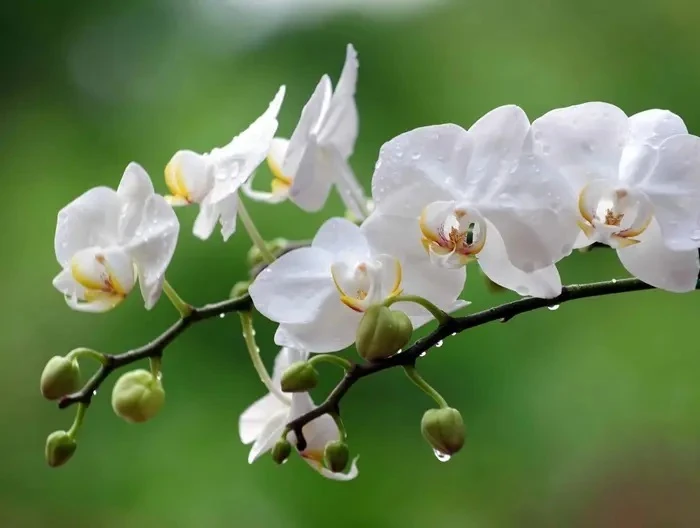

Across many cultures, plants have served as powerful symbols for understanding deeper spiritual and emotional truths. Among these plants, orchids stand out for their extraordinary beauty, delicate structure, and remarkable adaptability. The meaning associated with Orchid Symbolism extends far beyond aesthetics, offering insight into harmony, balance, and the subtle relationship between resilience and grace.
Orchids grow in diverse environments across the world, from tropical forests to mountainous regions. Their ability to thrive in such varied conditions has made them a symbol of adaptability and equilibrium within nature. Spiritually, orchids often represent refined balance, suggesting that harmony arises when different elements coexist without conflict.
Through the lens of Orchid Symbolism, harmony is not merely the absence of tension. Instead, it is a dynamic state in which contrasting qualities—strength and fragility, individuality and connection, growth and stillness—exist together in a balanced relationship. The orchid’s natural characteristics and cultural meanings provide a rich framework for understanding how harmony can be cultivated in life.
The Natural Foundations of Orchid Symbolism
Adaptability and Balance in Nature
One of the most remarkable aspects of orchids is their ecological versatility. There are thousands of orchid species, many of which grow as epiphytes, attaching themselves to trees rather than rooting in soil. These orchids draw nutrients from the air, rain, and surrounding organic material. This unusual growth pattern demonstrates a unique form of ecological balance.
Within Orchid Symbolism, this ability to thrive without dominating the environment represents a deeper lesson about harmony. Orchids coexist with the ecosystems around them rather than competing aggressively for space or resources. Their presence illustrates how life can flourish through cooperation with natural surroundings.
This adaptability also reflects emotional and spiritual balance. Harmony often requires adjusting to changing circumstances while maintaining inner stability. Just as orchids find ways to grow in varied environments, individuals can cultivate harmony by learning to adapt without losing their essential identity.
Delicacy Paired with Strength
At first glance, orchids appear fragile. Their petals are thin and graceful, and their intricate shapes convey an impression of softness. Yet orchids are far more resilient than their appearance suggests. Many species can survive harsh climates, seasonal droughts, or shifting environmental conditions.
This contrast between delicacy and durability forms a key component of Orchid Symbolism. Harmony often emerges when seemingly opposite qualities coexist. The orchid demonstrates that strength does not always appear forceful or rigid; it can also manifest through flexibility and elegance.
In spiritual interpretation, this balance encourages individuals to recognize that gentleness and resilience are not contradictory traits. Instead, they complement one another, creating a more complete and harmonious expression of personal strength.
Cultural Interpretations of Orchid Symbolism
Orchids in Eastern Traditions
In many Eastern cultures, orchids have long been associated with refinement, virtue, and harmony. Classical Chinese philosophy often connected orchids with moral integrity and spiritual cultivation. Scholars admired the orchid for its quiet elegance and subtle fragrance, seeing it as a symbol of noble character.
Within these traditions, Orchid Symbolism reflects harmony between inner character and outward expression. The orchid grows gracefully without drawing excessive attention, embodying the principle that true harmony arises from inner balance rather than external display.
Similarly, in Japanese culture, orchids have been associated with elegance, dignity, and peaceful beauty. These meanings emphasize the relationship between simplicity and harmony, suggesting that balance is achieved through restraint and mindful awareness.
Western Symbolic Interpretations
In Western traditions, orchids have often symbolized love, luxury, and refinement. Their rarity and beauty historically made them prized possessions among collectors and botanists. However, deeper interpretations of Orchid Symbolism also emphasize harmony and unity.
Victorian-era fascination with orchids, sometimes referred to as “orchid fever,” reflected admiration for the flower’s unique forms and colors. Artists and writers viewed orchids as symbols of aesthetic balance, where intricate design and natural order merge seamlessly.
Through these cultural perspectives, orchids became symbols not only of beauty but also of the harmony that exists between nature’s complexity and its underlying structure.
Spiritual Lessons from Orchid Symbolism
Harmony Through Patience
Orchids are known for their slow growth and careful blooming cycles. Many species require precise conditions to flower, and some may bloom only once a year. This gradual development teaches an important spiritual lesson embedded in Orchid Symbolism.
Harmony often unfolds slowly rather than appearing instantly. Just as orchids take time to reach full bloom, emotional and spiritual balance develops through patience and attentive care. Rushing the process can disrupt the delicate conditions required for growth.
The orchid therefore symbolizes the value of allowing life’s rhythms to unfold naturally. Harmony arises when individuals respect these rhythms rather than attempting to control them excessively.
Balance Between Independence and Connection
Many orchids grow independently while still relying on their surrounding environment. Epiphytic orchids attach to trees without harming them, benefiting from the support while maintaining their own distinct growth pattern.
This relationship reflects another aspect of Orchid Symbolism: the balance between independence and connection. Harmony does not require isolation, nor does it require complete dependence. Instead, it emerges when individuals maintain their individuality while remaining connected to the broader community.
In spiritual reflection, this balance encourages relationships built on mutual respect and shared support rather than dominance or dependence.
Psychological Dimensions of Orchid Symbolism
Cultivating Emotional Balance
The graceful appearance of orchids has long been associated with calmness and emotional clarity. Observing the intricate symmetry and soft colors of these flowers can evoke a sense of tranquility.
Psychologically, Orchid Symbolism encourages individuals to cultivate emotional balance by appreciating subtle beauty and quiet moments. Harmony in life often depends on the ability to remain centered despite external pressures.
The orchid’s poised structure reflects a form of emotional equilibrium. Its petals unfold symmetrically, suggesting that harmony emerges when thoughts, emotions, and actions align with one another.
Appreciating Diversity
Another psychological insight found in Orchid Symbolism comes from the incredible diversity of orchid species. Orchids vary dramatically in shape, color, size, and habitat, yet they all belong to the same botanical family.
This diversity demonstrates that harmony does not require uniformity. Instead, it thrives when differences coexist within a larger system of balance. In human communities, similar principles apply: harmony grows when individuality is respected while shared values maintain cohesion.
By appreciating diversity, individuals can recognize that differences contribute to the richness of collective harmony rather than disrupting it.
Orchid Symbolism and the Idea of Natural Harmony
The Orchid as an Ecological Teacher
Nature often provides powerful metaphors for understanding spiritual principles. Orchids illustrate how delicate forms can exist within complex ecosystems without disrupting balance.
Through Orchid Symbolism, the natural world becomes a teacher of harmony. Orchids do not dominate their environments; instead, they participate in intricate ecological relationships that support mutual growth.
This ecological perspective reminds observers that harmony involves cooperation, balance, and respect for interconnected systems.
Inspiring Mindful Living
The quiet elegance of orchids encourages mindfulness. Their subtle fragrance and intricate structure invite close observation and appreciation. Such awareness reflects a lifestyle rooted in balance and attentiveness.
In spiritual interpretation, Orchid Symbolism suggests that harmony emerges when individuals approach life with patience, awareness, and gratitude. By observing the quiet lessons of nature, it becomes possible to cultivate inner balance that reflects the harmony seen in the natural world.
Conclusion
The meaning of Orchid Symbolism offers profound insights into the nature of harmony. Through their adaptability, elegance, and ecological relationships, orchids illustrate how balance can arise from the coexistence of contrasting qualities.
Their delicate yet resilient structure demonstrates that strength and grace are not opposing forces but complementary aspects of harmonious living. Cultural traditions across the world have recognized this symbolism, associating orchids with refinement, virtue, and emotional balance.
Ultimately, orchids remind observers that harmony is a dynamic process. It grows through patience, adaptability, and mindful connection with the surrounding environment. By reflecting on the lessons embedded within Orchid Symbolism, individuals can gain a deeper understanding of how balance, beauty, and resilience can coexist in both nature and human life.































Sign in to leave a comment.