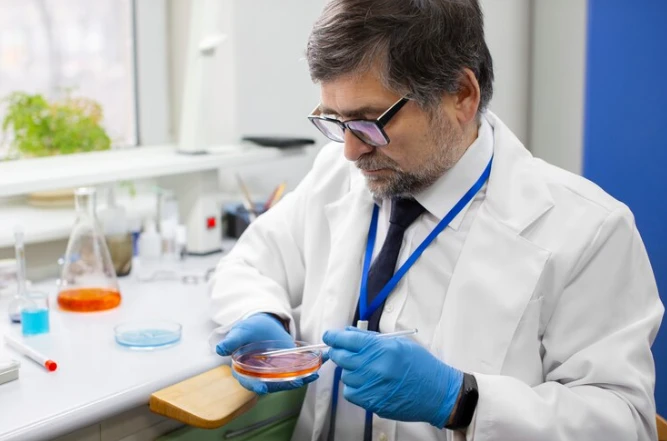

The process of drug development is complex, involving multiple stages from discovery through clinical trials before a new therapy can reach patients. One critical step in this process is the evaluation of a drug's Absorption, Distribution, Metabolism, and Excretion (ADME) properties. In vitro screening, along with medical devices testing, plays a pivotal role in improving the efficiency and success rate of drug development. By incorporating these advanced testing methods early in the drug development pipeline, researchers can better predict how a drug behaves in the human body, thereby reducing the risk of late-stage failures.
The Importance of ADME Screening
ADME properties determine the pharmacokinetics of a drug, which is how the drug is absorbed, distributed throughout the body, metabolized into different compounds, and excreted. Understanding these properties is crucial because they influence a drug's efficacy and safety. In vitro ADME screening uses cell-based assays and other laboratory techniques to simulate how a drug will interact with biological systems, providing early insights into its potential behavior in humans.
Enhancing Drug Development with In Vitro Screening
Early Identification of Potential Issues: In vitro ADME screening allows researchers to identify potential issues with a drug candidate early in the development process. By detecting poor absorption, rapid metabolism, or toxic metabolites at the initial stages, developers can modify the chemical structure of the compound to improve its properties before investing heavily in clinical trials.
Cost and Time Efficiency: Traditional in vivo studies are time-consuming and expensive. In vitro ADME screening, on the other hand, offers a more cost-effective and quicker alternative. This efficiency is particularly beneficial in the early phases of drug development services, where many compounds are screened, and only the most promising ones are moved forward.
Reducing Animal Testing: The use of in vitro ADME screening reduces the reliance on animal testing. By obtaining preliminary ADME data from cell-based assays, researchers can minimize the number of animal studies required, aligning with ethical standards and regulatory guidelines that advocate for the reduction of animal use in research.
Better Prediction of Human Responses: Advances in in vitro models, such as the use of human cell lines and organ-on-a-chip technologies, have improved the predictability of human responses. These models provide a more accurate simulation of human biological processes compared to traditional animal models, leading to better prediction of a drug’s behavior in humans.
Integration with Medical Devices Testing
The integration of in vitro ADME screening with medical devices testing further enhances drug development efficiency. Medical devices, such as bioanalytical instruments and lab-on-a-chip systems, offer precise and high-throughput capabilities for conducting ADME assays. These devices can automate and streamline the screening process, providing high-quality data in a shorter time frame. For example, high-throughput screening (HTS) devices can simultaneously evaluate multiple compounds against various ADME parameters, significantly accelerating the discovery phase.
Case Studies and Examples
Several pharmaceutical companies have successfully integrated in vitro ADME screening into their drug development pipelines. For instance, Pfizer uses a combination of in vitro assays and advanced bioanalytical techniques to screen their drug candidates. This approach has led to the early identification of promising compounds and the rapid elimination of those with unfavorable ADME profiles, ultimately speeding up their drug development process.
Another example is Roche, which employs human liver microsomes and hepatocytes in their in vitro metabolism studies. These models provide valuable insights into the metabolic stability and potential drug-drug interactions of new compounds, aiding in the design of safer and more effective drugs.
Future Directions in In Vitro ADME Screening
The future of in vitro ADME screening looks promising with the continuous advancement in technology and methodologies. Innovations such as 3D cell cultures, microphysiological systems, and computational modeling are set to revolutionize the field. These technologies offer more physiologically relevant models and predictive tools that can further enhance the accuracy and efficiency of ADME assessments.
Additionally, the integration of artificial intelligence (AI) and machine learning (ML) with in vitro ADME screening is expected to provide deeper insights and predictive capabilities. AI and ML can analyze large datasets generated from ADME assays, identifying patterns and correlations that may not be apparent through traditional analysis methods. This can lead to the discovery of novel drug candidates with optimal ADME properties.
Conclusion
In vitro ADME screening is a critical component of modern drug development, offering significant advantages in terms of cost, time, and ethical considerations. By integrating advanced medical devices and innovative technologies, researchers can streamline the drug discovery process, reduce the risk of late-stage failures, and bring new therapies to market more efficiently.
For those looking to incorporate in vitro ADME screening into their drug development efforts, partnering with specialized service providers like TheraIndx can be highly beneficial. TheraIndx offers comprehensive in vitro screening services, including ADME and drug interaction studies, utilizing state-of-the-art equipment and expertise to support your drug development needs. By leveraging their services, you can enhance the predictability and success rate of your drug candidates, ultimately accelerating the path to clinical trials and market approval.




























Sign in to leave a comment.