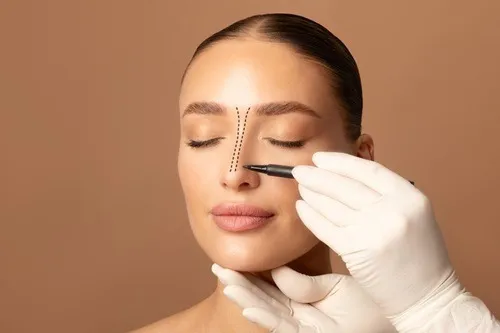

Rhinoplasty is one of the most refined facial cosmetic procedures designed to enhance both appearance and nasal function. It reshapes the nose in a way that creates better harmony with other facial features, improving overall balance and symmetry. The procedure focuses on subtle yet impactful modifications that can significantly change facial aesthetics without making the results look artificial. Many individuals seek this surgery to achieve a more defined and proportionate nose structure that complements their natural beauty.In modern aesthetic medicine, Rhinoplasty in Islamabad is widely performed using advanced surgical techniques that allow precise sculpting of nasal bones and cartilage. This precision-based approach ensures that patients achieve natural-looking results while maintaining the functional integrity of the nose. The goal is not only to enhance beauty but also to improve nasal breathing where required, making it both a cosmetic and functional solution.
Understanding Nose Contour and Facial Harmony
Nose contour refers to the shape, projection, and overall outline of the nose when viewed from different angles. It plays a crucial role in defining facial balance because the nose sits at the center of the face. Even minor irregularities in its structure can affect overall facial symmetry. Rhinoplasty works by correcting these irregularities and reshaping nasal components such as the bridge, tip, and nostrils.
Facial harmony is achieved when the nose aligns proportionately with other features like the eyes, lips, and jawline. Surgeons carefully analyze these relationships before performing surgery. By adjusting angles and proportions, rhinoplasty enhances contour definition in a way that looks natural and balanced rather than exaggerated.
How Rhinoplasty Reshapes the Nasal Bridge
One of the key elements in improving nose contour is the nasal bridge. A hump, depression, or uneven structure in this area can disrupt facial symmetry. During rhinoplasty, surgeons carefully reshape the bone and cartilage of the bridge to create a smoother and more refined profile.
In cases where the bridge is too flat, augmentation techniques may be used to build structure and definition. Conversely, if there is a prominent hump, it is carefully reduced to create a straighter or more gently curved profile. These adjustments significantly enhance side profile aesthetics, which is often a major concern for patients seeking rhinoplasty.
Refining the Nasal Tip for Better Definition
The nasal tip is one of the most important aesthetic focal points of the nose. A poorly defined, drooping, or bulbous tip can affect overall facial appearance. Rhinoplasty improves tip definition by reshaping the cartilage and refining its projection.
Surgeons may adjust the tip angle to create a more lifted or natural appearance depending on facial structure. Suturing techniques and cartilage reshaping are used to ensure long-lasting definition and symmetry. A well-defined nasal tip contributes greatly to a sharper and more elegant facial look.
Improving Nostril Shape and Proportion
Nostril size and shape also play a vital role in overall nose contour. Wide, uneven, or flared nostrils can make the nose appear disproportionate. Rhinoplasty allows surgeons to modify nostril width and symmetry through precise surgical adjustments.
By narrowing or reshaping the nostrils, the nose appears more balanced and refined. These changes are carefully planned so that breathing function is not compromised. The aim is to achieve subtle improvements that enhance overall facial harmony without making the surgical changes obvious.
Correcting Asymmetry for Natural Balance
Facial asymmetry is common, and the nose is no exception. Many patients have slight deviations in their nasal structure that become more noticeable over time. Rhinoplasty addresses these asymmetries by carefully realigning bone and cartilage structures.
Even small corrections can make a significant difference in appearance. When both sides of the nose are balanced, the entire face appears more proportionate and aesthetically pleasing. This improvement in symmetry is one of the key reasons patients seek rhinoplasty procedures.
Role of Advanced Surgical Techniques in Contour Definition
Modern rhinoplasty relies on advanced surgical methods that prioritize precision and minimal tissue disruption. Techniques such as open and closed rhinoplasty allow surgeons to access nasal structures in different ways depending on complexity.
These techniques enable better visualization and control, resulting in more accurate contour shaping. Additionally, the use of refined instruments ensures smoother transitions between nasal structures, reducing irregularities and improving long-term results. Recovery is also improved due to less trauma to surrounding tissues.
How Skin Thickness Affects Nose Contour Results
Skin thickness is an important factor in determining how defined the final nose contour will appear. Patients with thinner skin tend to show more precise structural changes, while those with thicker skin may experience softer definition.Surgeons take this into account during planning to ensure realistic expectations and optimal outcomes. Even in cases of thicker skin, strategic reshaping of the underlying structure can still produce significant aesthetic improvement. The final result always depends on a careful balance between surgical technique and natural tissue characteristics.
Psychological Impact of Improved Nose Definition
Enhancing nose contour through rhinoplasty often leads to a positive psychological impact. Many patients experience increased confidence and self-esteem after the procedure. Since the nose is a central facial feature, even small improvements can significantly influence how individuals perceive their appearance.This boost in confidence can improve social interactions and overall quality of life. Patients often feel more comfortable in photographs and public settings after achieving their desired nasal shape.
Recovery Process and Final Contour Formation
The recovery phase plays a crucial role in achieving the final nose contour. Initial swelling may temporarily mask results, but gradual healing reveals the refined structure over time. It can take several months for the final shape to fully stabilize.
Patients are advised to follow post-operative care instructions carefully to ensure smooth healing. Proper care helps maintain surgical precision and enhances long-term contour definition. The final outcome is a combination of surgical skill and the body’s natural healing process.
Conclusion
Rhinoplasty is a highly effective procedure for improving nose contour definition by reshaping the bridge, refining the tip, adjusting nostrils, and correcting asymmetry. It enhances facial harmony by creating balance between the nose and other facial features while maintaining natural appearance. With advanced techniques and careful planning, patients can achieve long-lasting and aesthetically pleasing results. Beyond physical transformation, rhinoplasty also contributes to improved confidence and self-image, making it one of the most impactful procedures in facial aesthetics.





























Sign in to leave a comment.