
The Book of Psalms stands as one of the most influential poetic collections in religious history. Found at the heart of the Old Testament, it has shaped worship, theology, and literary expression for thousands of years. Unlike narrative or legal texts, the Psalms speak primarily through poetry, imagery, and symbolism, offering readers an emotional and spiritual language to express faith, doubt, gratitude, and lament. Through its rich poetic techniques and symbolic depth, the Book of Psalms communicates complex spiritual truths in ways that resonate across cultures and generations.
The Poetic Nature of the Book of Psalms
The Book of Psalms is fundamentally a book of poetry, designed to be sung, recited, and contemplated rather than simply read as prose.
Hebrew Poetry and Its Unique Structure
Unlike modern Western poetry, Hebrew poetry does not rely on rhyme or meter. Instead, it uses parallelism, repetition, and balanced phrasing to convey meaning. Parallelism involves placing two or more lines side by side so that they complement, contrast, or expand upon one another.
For example, synonymous parallelism reinforces an idea by restating it in different words, while antithetic parallelism emphasizes contrast. This structure allows the Psalms to explore emotions and theological ideas from multiple angles, deepening their impact.
Rhythm and Musical Intention
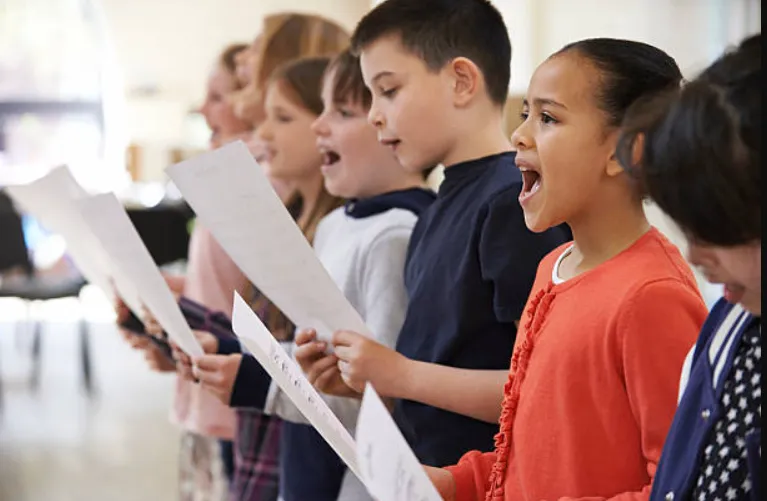
The Psalms were originally composed for musical accompaniment. Many include references to instruments, choirs, and specific musical directions. The rhythmic flow of the language supports memorization and communal worship, reinforcing the idea that poetry serves not only aesthetic purposes but also spiritual formation.
This musical quality reflects the ancient understanding that faith is expressed not just intellectually but emotionally and communally.
Symbolism as a Bridge Between the Human and the Divine
Symbolism in the Book of Psalms serves as a bridge between human experience and divine reality, allowing abstract spiritual truths to be understood through concrete images. Through metaphor and symbolic language, the Psalms make God’s presence and action accessible to the human imagination.
This symbolic richness is one of the reasons the Book of Psalms continues to resonate deeply with readers across different historical and cultural contexts.
Nature Imagery and Divine Presence
One of the most prominent symbolic tools in the Psalms is imagery drawn from the natural world.
God as Rock, Fortress, and Refuge
The Book of Psalms frequently describes God using symbols of stability and protection. God is called a rock, a fortress, a shield, and a stronghold. These images draw from the physical realities of ancient life, where rocky terrain and fortified structures represented safety and endurance.
By using such imagery, the Psalms communicate God’s reliability and faithfulness in ways that are emotionally reassuring and easily understood.
Water, Rivers, and Renewal
Water imagery appears repeatedly throughout the Psalms, often symbolizing life, blessing, and spiritual renewal. Flowing streams represent divine provision, while thirst and dryness symbolize spiritual longing or distress.
Psalm 1, for instance, compares the righteous person to a tree planted by streams of water, a symbol of stability, nourishment, and fruitfulness. This metaphor ties spiritual faithfulness directly to the rhythms of nature.
Emotional Expression Through Poetic Language
The Book of Psalms is remarkable for its honest portrayal of human emotion.
Lament as Sacred Poetry
Many Psalms are laments, expressing grief, fear, anger, or confusion. These poems use vivid imagery to articulate suffering, such as bones wasting away, tears soaking beds, or enemies surrounding like wild animals.
Such symbolic language validates emotional pain rather than suppressing it. The poetry allows suffering to be expressed in a way that is both personal and communal, teaching that lament is a legitimate form of faith.
Joy, Praise, and Exaltation
Just as the Psalms express sorrow, they also celebrate joy with equal intensity. Symbols of light, music, dancing, and abundance convey gratitude and praise.
Mountains skipping, seas roaring, and trees clapping their hands are examples of symbolic language that portrays all creation participating in worship. This poetic vision expands praise beyond humanity to encompass the entire cosmos.
Royal and Messianic Symbolism
The Book of Psalms also employs symbolism connected to kingship and divine rule.
The King as God’s Representative
Many Psalms were written in the context of Israel’s monarchy and use royal imagery to describe God’s authority. Earthly kings are portrayed as God’s appointed representatives, ruling under divine guidance.
This symbolism reinforces the belief that political power is accountable to divine justice and righteousness.
Messianic Expectations
Some Psalms use language that later traditions interpret as pointing toward a future anointed ruler. Symbolic phrases about eternal kingship, divine sonship, and universal rule contribute to messianic interpretations.
These symbolic layers allow the Psalms to function both within their original historical setting and within later theological frameworks.
Symbolism of Light and Darkness
Light and darkness are recurring symbolic opposites in the Book of Psalms.
Light as Guidance and Salvation
Light often represents God’s presence, truth, and salvation. When the Psalms speak of God as light, they suggest clarity, hope, and moral direction.
Walking in light symbolizes living in alignment with divine instruction, while illumination represents understanding and deliverance.
Darkness as Danger and Uncertainty
Conversely, darkness symbolizes fear, chaos, and separation from God’s presence. Yet even in darkness, the Psalms affirm that God remains present, transforming darkness into a setting for trust rather than despair.
This symbolic tension reflects the complexity of spiritual life, where faith persists even amid uncertainty.
Metaphors of the Human Body and Inner Life
The Book of Psalms frequently uses bodily imagery to express internal spiritual states.
Heart, Soul, and Bones
The heart in the Psalms represents not just emotion but the center of thought and will. The soul expresses deep longing and identity, while bones symbolize strength or vulnerability.
These metaphors connect spiritual experience to physical sensation, emphasizing that faith involves the whole person.
Breath and Life
Breath symbolizes life itself, given and sustained by God. Praising God with breath becomes a metaphor for living in continual gratitude and dependence.
This imagery underscores the intimate connection between human existence and divine sustenance.
Symbolic Time and Memory
The Psalms often move fluidly between past, present, and future.
Remembering God’s Deeds
Memory functions symbolically as a source of hope. By recalling past acts of deliverance, the Psalms encourage trust in future faithfulness.
This poetic use of memory transforms history into a living source of spiritual strength.
Anticipation and Hope
Future-oriented symbols, such as dawn after night or harvest after sowing, express hope and expectation. These images reassure readers that suffering is not final and that renewal is always possible.
Theological Depth Through Poetic Compression
One of the strengths of the Book of Psalms is its ability to convey profound theology in compact poetic form.
Complexity Without Systematization
Rather than presenting structured doctrine, the Psalms explore theology through experience and metaphor. This allows multiple perspectives on God, ranging from intimacy to transcendence.
Such poetic theology invites meditation rather than debate, fostering personal engagement.
Universality Through Imagery
Because symbols transcend specific cultures and eras, the Psalms remain accessible to diverse audiences. Images of nature, emotion, and human struggle create a shared language of faith.
This universality contributes to the Book of Psalms’ enduring influence in religious and literary traditions worldwide.
Conclusion
The Book of Psalms uses poetry and symbolism to express the full spectrum of human experience in relation to the divine. Through parallelism, metaphor, imagery, and emotional honesty, it transforms abstract theology into lived expression. Symbols drawn from nature, kingship, the body, and time allow spiritual truths to be felt as well as understood.
By engaging imagination alongside belief, the Book of Psalms continues to shape worship, inspire reflection, and offer comfort. Its poetic and symbolic language ensures that faith is not confined to doctrine alone but expressed through beauty, emotion, and enduring human connection.

























Sign in to leave a comment.