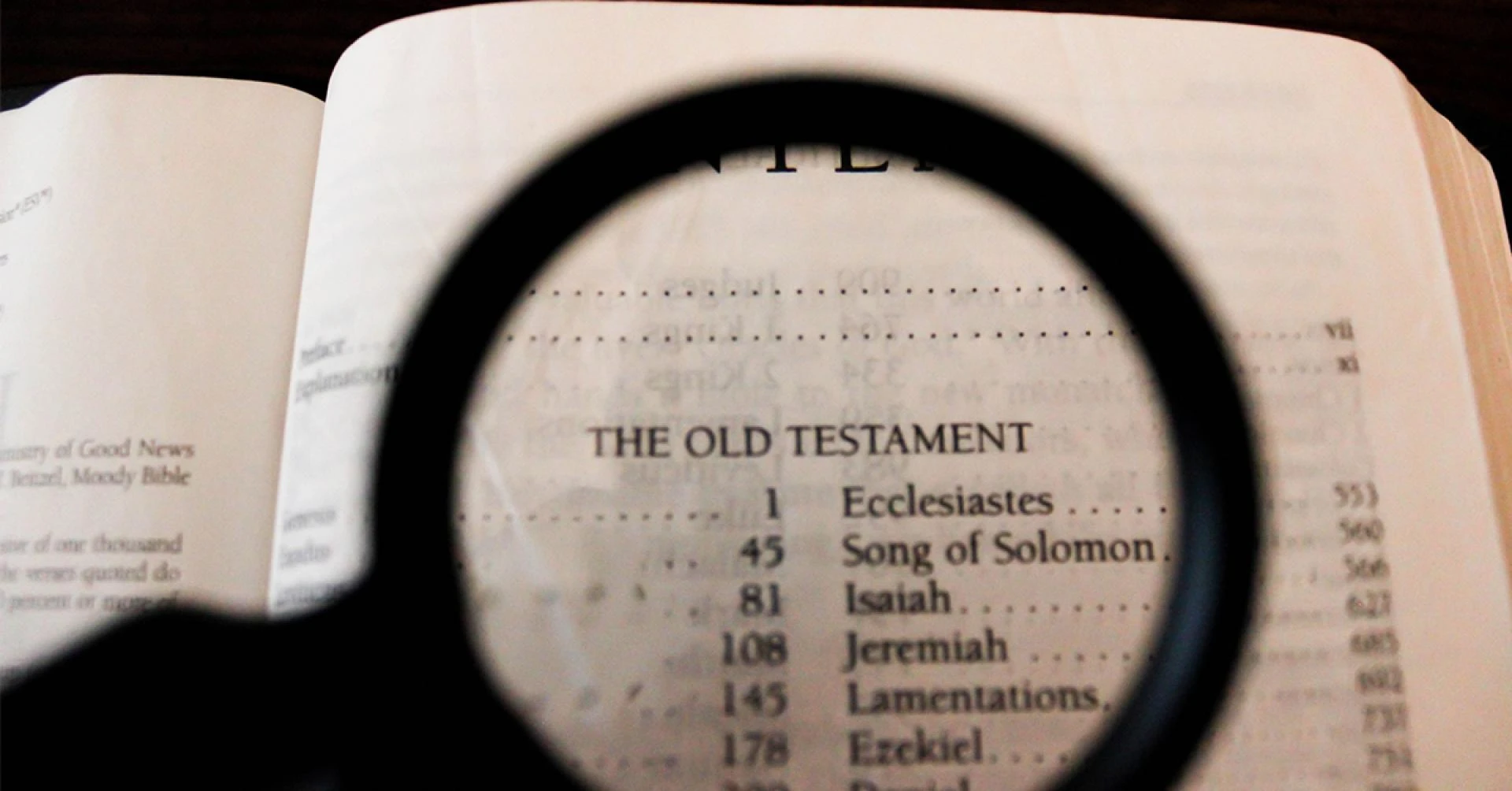

The collection known as the Old Testament is often approached as a sacred record of laws, history, and prophecy. Yet, beyond its surface narratives lies a rich tapestry of wisdom that continues to challenge assumptions and provoke reflection. The Old Testament Books are not merely historical documents; they are layered texts that explore the complexities of human experience and divine interaction.
Many readers expect straightforward moral teachings, but what emerges instead is a dynamic and sometimes paradoxical set of lessons. These insights touch on themes such as moral ambiguity, perseverance through suffering, the nature of leadership, and the transformative power of faith. By examining these themes closely, a deeper understanding of the enduring relevance of the Old Testament can be gained.
The Complexity of Human Nature in Old Testament Books
Flawed Figures as Central Characters
One of the most surprising aspects of the Old Testament Books is the portrayal of deeply flawed individuals as central figures in divine narratives. Figures such as kings, prophets, and patriarchs are often depicted with both strengths and weaknesses.
This portrayal challenges the expectation of idealized heroes. Instead of presenting perfect role models, the texts highlight the reality of human imperfection. These characters make mistakes, face consequences, and continue to grow. This nuanced depiction offers a more realistic understanding of moral development and personal transformation.
Moral Ambiguity and Ethical Reflection
The narratives within the Old Testament Books frequently present situations that do not have clear-cut moral answers. Conflicts, decisions, and outcomes often exist in shades of complexity rather than simple right or wrong.
This ambiguity encourages deeper ethical reflection. Readers are invited to consider context, intention, and consequence rather than relying on rigid judgments. Such an approach fosters a more mature and thoughtful engagement with moral questions.
Unexpected Lessons on Justice and Mercy
Justice Beyond Immediate Consequences
Justice in the Old Testament Books is often portrayed as a long-term process rather than an immediate outcome. Actions may not result in instant reward or punishment, but the overarching narrative suggests that justice unfolds over time.
This perspective challenges modern expectations of immediate accountability. It emphasizes patience and trust in a broader sense of order, where actions eventually align with consequences in ways that may not be immediately visible.
The Balance Between Law and Compassion
While the Old Testament is known for its legal codes, it also contains profound expressions of compassion and mercy. Laws are often accompanied by calls to care for the vulnerable, including the poor, the stranger, and the marginalized.
This balance reveals a surprising dimension of the Old Testament Books. They do not advocate for rigid adherence to rules alone but emphasize the importance of empathy and understanding. This interplay between law and compassion reflects a holistic approach to justice.
Lessons on Leadership and Responsibility
The Burden of Leadership
Leadership in the Old Testament Books is rarely depicted as glamorous or easy. Leaders are often shown grappling with immense responsibility, facing opposition, and dealing with personal struggles.
This portrayal offers a realistic view of leadership as a demanding and often isolating role. It underscores the importance of humility, accountability, and reliance on guidance beyond oneself.
Consequences of Power Misuse
The misuse of power is a recurring theme in the Old Testament Books. Leaders who act unjustly or selfishly often face significant consequences, both personally and collectively.
These narratives serve as cautionary tales, highlighting the ethical responsibilities that come with authority. They emphasize that power must be exercised with integrity and awareness of its impact on others.
The Role of Suffering and Perseverance
Suffering as a Path to Growth
Suffering is a prominent theme throughout the Old Testament Books, often depicted as an integral part of the human experience. Rather than being portrayed solely as punishment, suffering is sometimes shown as a means of growth and transformation.
This perspective offers a surprising lesson: adversity can lead to deeper understanding and resilience. It suggests that challenges, while difficult, can contribute to personal and spiritual development.
Endurance and Faith
The endurance of individuals in the face of hardship is a recurring motif in the Old Testament Books. Stories of perseverance highlight the importance of maintaining faith even in uncertain or difficult circumstances.
This emphasis on endurance reflects a broader message about the value of steadfastness. It encourages a perspective that sees beyond immediate difficulties to a larger sense of purpose.
The Power of Covenant and Relationship
Covenant as a Central Theme
The concept of covenant is central to the Old Testament Books, representing a relationship between the divine and humanity. This relationship is characterized by mutual commitment and responsibility.
The idea of covenant introduces a relational dimension to faith. It emphasizes connection, trust, and ongoing interaction rather than distant or abstract belief.
Renewal and Restoration
Covenants in the Old Testament Books are often renewed or reaffirmed, even after periods of failure or disobedience. This pattern highlights the possibility of restoration and new beginnings.
Such narratives offer a hopeful message, suggesting that relationships can be repaired and strengthened over time. This theme reinforces the importance of perseverance and commitment.
Wisdom Literature and Everyday Insights
Practical Guidance for Living
The wisdom literature within the Old Testament Books, including proverbs and reflections, provides practical insights into daily life. These texts address topics such as relationships, work, and personal conduct.
Their teachings often focus on balance, moderation, and thoughtful decision-making. This practical wisdom complements the broader narratives, offering guidance that is both accessible and applicable.
The Value of Reflection
Wisdom literature also emphasizes the importance of reflection and contemplation. It encourages individuals to consider their actions, motivations, and goals.
This focus on introspection aligns with the broader themes of the Old Testament Books, reinforcing the idea that understanding oneself is key to living wisely and ethically.
The Role of Prophetic Voices
Challenging Social Injustice
Prophets in the Old Testament Books often serve as voices of challenge and critique. They speak out against injustice, corruption, and complacency, calling for change and accountability.
These prophetic messages highlight the importance of social responsibility. They emphasize that faith is not only a personal matter but also involves engagement with broader societal issues.
Vision of Hope and Renewal
Despite their often critical tone, prophetic writings also offer visions of hope and renewal. They point toward the possibility of transformation and a more just and compassionate future.
This dual role of critique and hope reflects a dynamic understanding of change. It underscores the potential for growth and improvement, even in difficult circumstances.
The Enduring Relevance of Old Testament Books
Timeless Themes in a Modern Context
The themes explored in the Old Testament Books remain relevant in contemporary life. Issues such as justice, leadership, suffering, and relationships continue to resonate across cultures and generations.
These texts provide a framework for understanding complex human experiences, offering insights that transcend their historical context. Their enduring relevance lies in their ability to address universal questions and challenges.
Encouraging Deeper Engagement
The surprising lessons found in the Old Testament Books encourage a deeper engagement with the text. Rather than approaching it as a static collection of rules or stories, it can be seen as a dynamic source of wisdom.
This perspective invites ongoing exploration and reflection, allowing new insights to emerge over time. It highlights the richness and depth of the Old Testament as a foundational body of literature.
Conclusion
The Old Testament Books offer far more than traditional expectations might suggest. Through their complex characters, nuanced ethical teachings, and profound exploration of human and divine relationships, they provide a wealth of surprising lessons.
These insights challenge assumptions, encourage reflection, and inspire growth. They reveal a vision of life that is both realistic and hopeful, acknowledging the difficulties of human existence while pointing toward the possibility of transformation.
By engaging with these texts thoughtfully, a deeper appreciation for their wisdom and relevance can be achieved. The lessons they contain continue to resonate, offering guidance and inspiration for navigating the complexities of life.































Sign in to leave a comment.