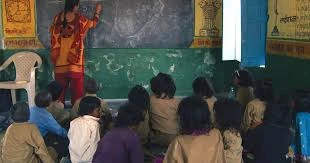

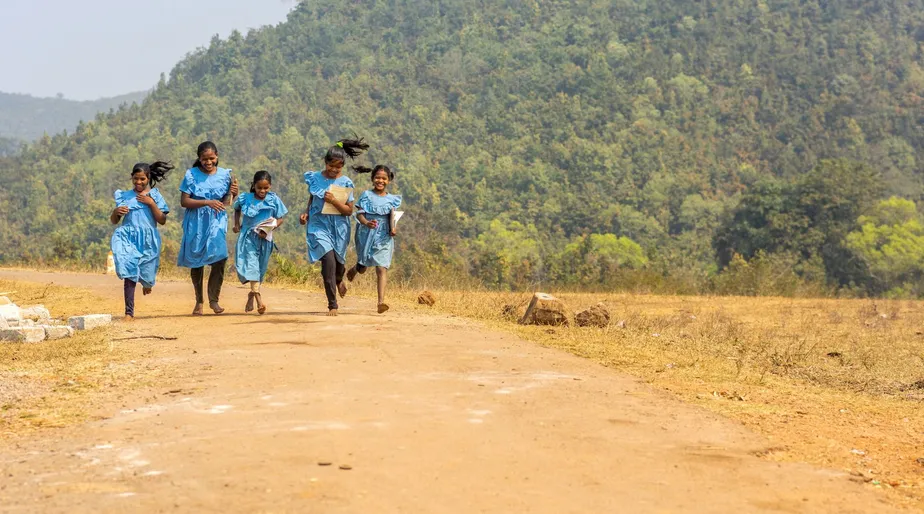
Gender inequality continues to be one of the most pressing social challenges in India. Despite progress in laws and policies, many girls still face barriers to education due to poverty, cultural norms, and lack of infrastructure. Education is the most powerful tool to break these barriers. By ensuring equal access to schooling, India can move closer to ending gender inequality and building a more inclusive society.
The Link Between Education and Gender Equality
Education empowers girls to make informed choices, delay marriage, and pursue careers. It improves health outcomes, reduces poverty, and strengthens communities. When girls are educated, they are more likely to participate in decision-making and challenge discriminatory practices. Education also benefits boys by teaching them values of equality and respect, creating a more balanced society.
Challenges Girls Face in Accessing Education
- Poverty: Families often prioritize boys’ education over girls’.
- Early Marriage: Many girls drop out of school due to child marriage.
- Safety Concerns: Lack of secure transport and sanitation facilities discourages parents from sending girls to school.
- Cultural Norms: Traditional beliefs sometimes undervalue girls’ education.
Role of NGOs in Promoting Equality Through Education
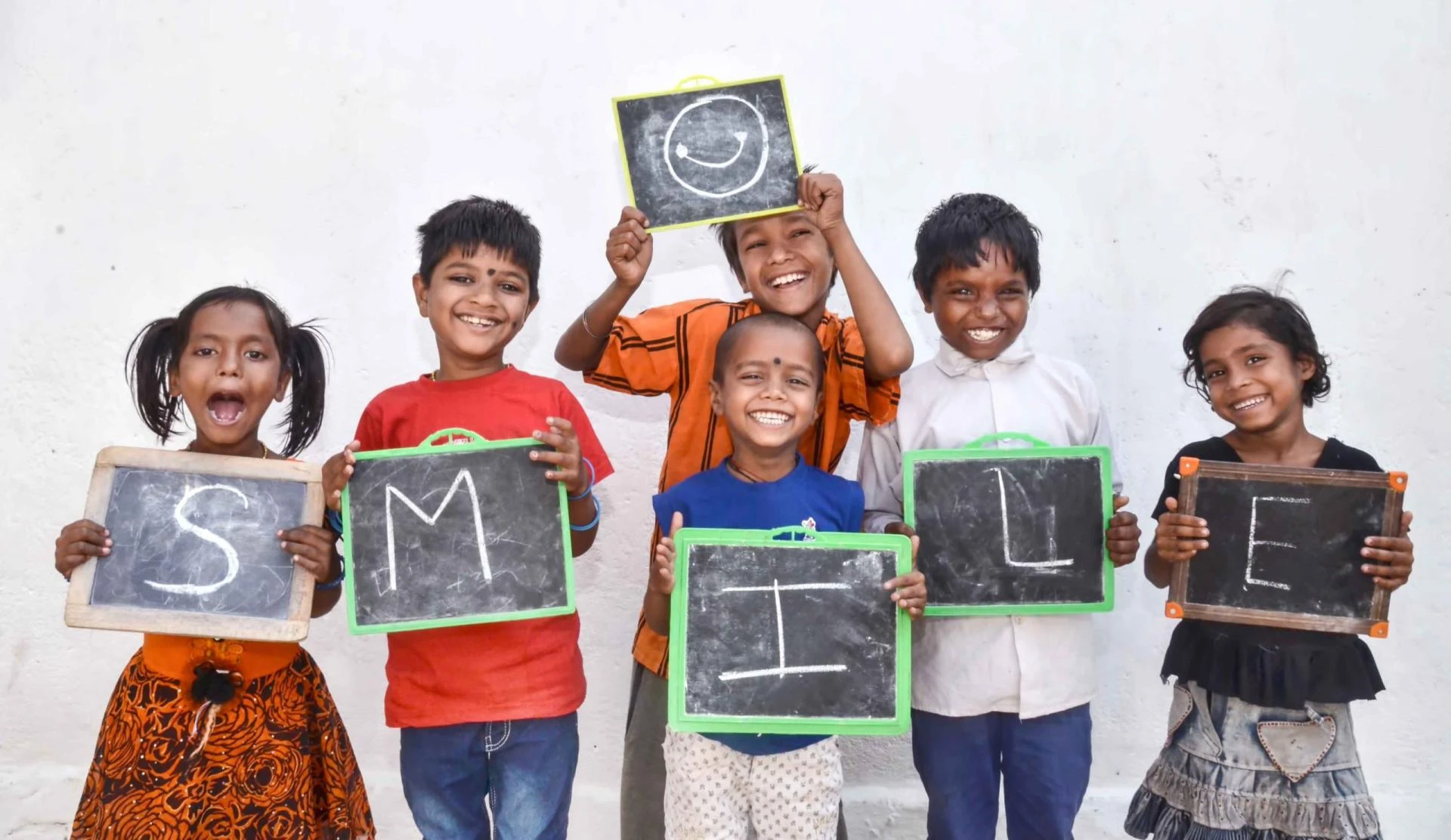
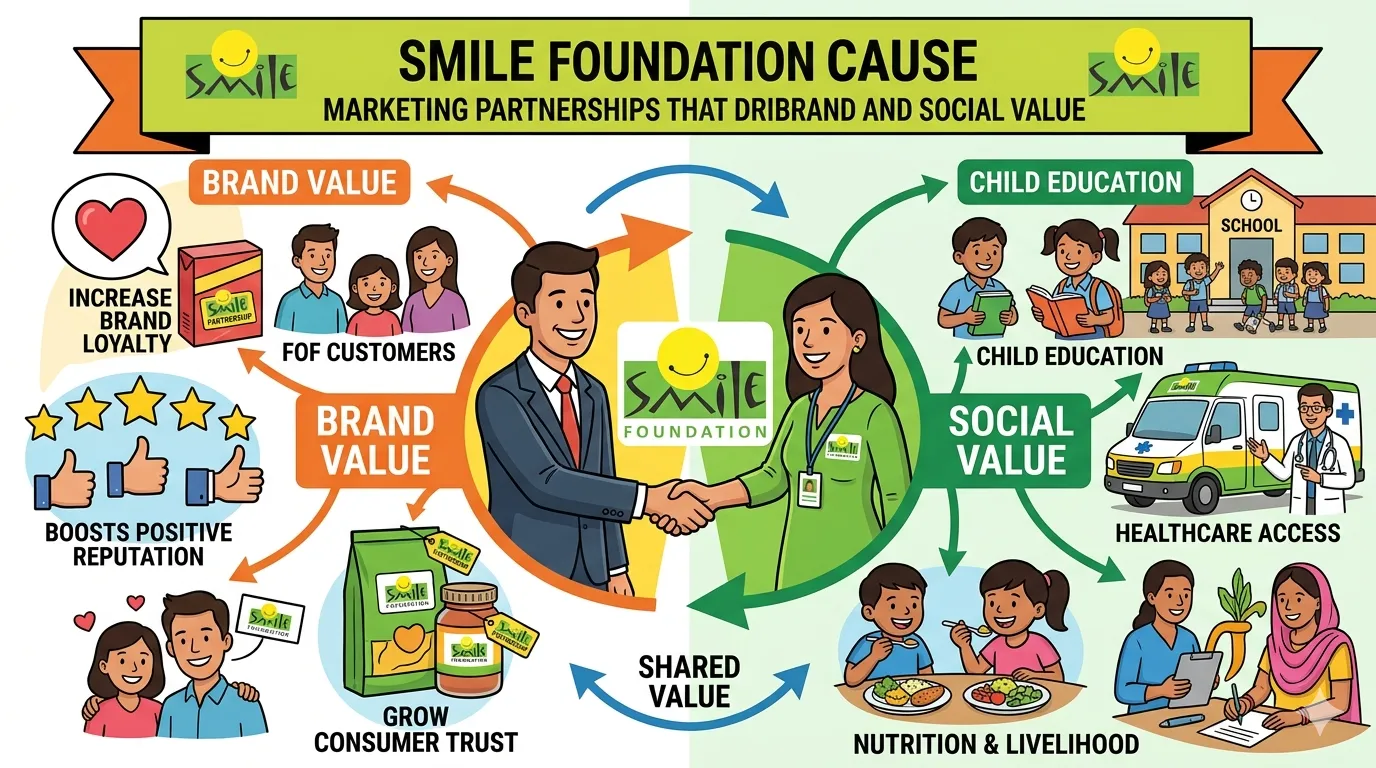
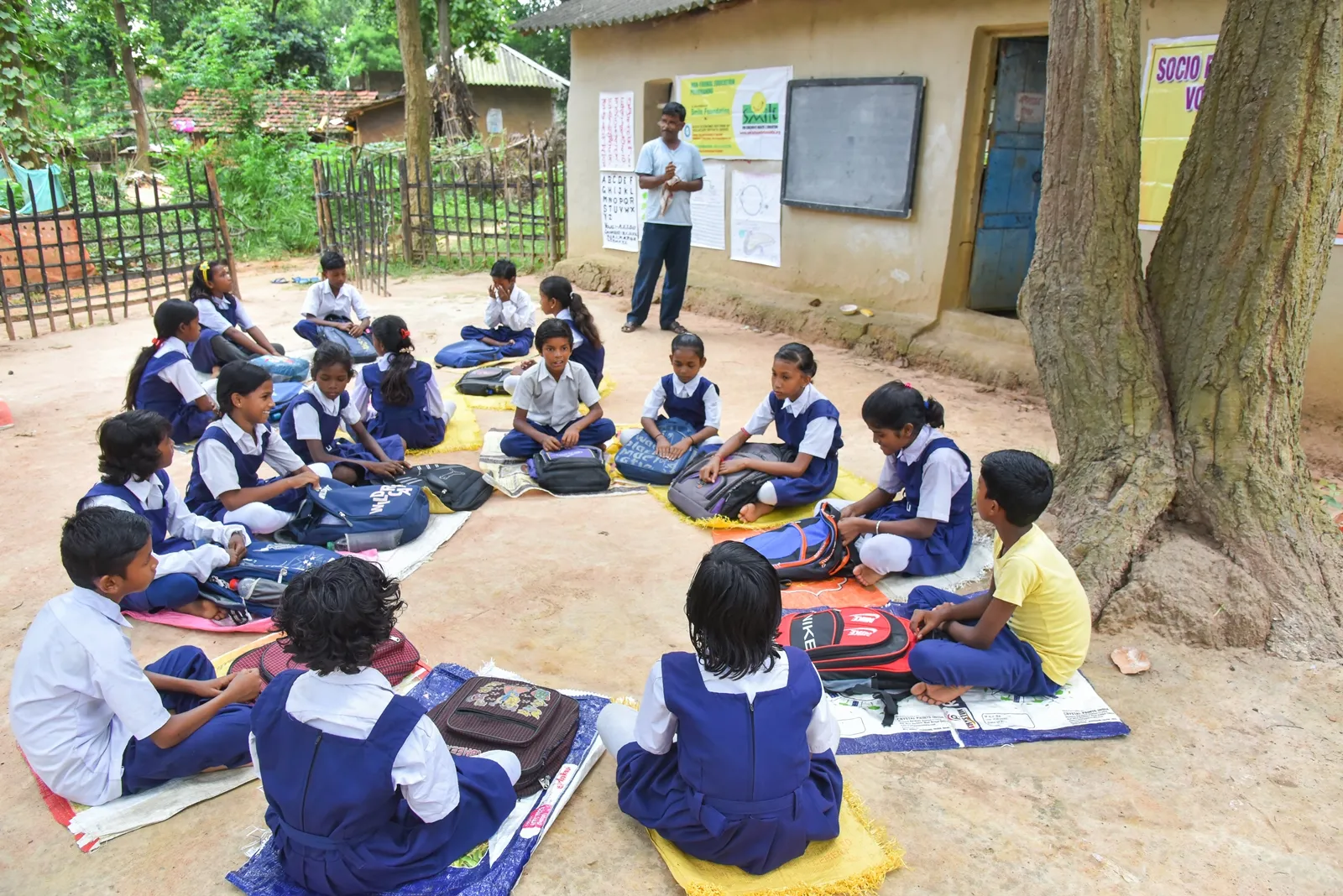
NGOs play a critical role in bridging the gap between policy and practice. Smile Foundation, for instance, runs Mission Education programs that focus on enrolling girls in schools, providing scholarships, and raising awareness among parents about the importance of education. They also integrate healthcare and nutrition support, ensuring that girls can attend school regularly and perform well. By working closely with communities, NGOs challenge stereotypes and create supportive environments for girls.
Success Stories Gender Inequality Education India
Across India, NGO-led initiatives have shown that when girls are given access to education, dropout rates decrease and aspirations rise. Girls trained in digital literacy, vocational skills, and leadership programs often become role models in their communities, inspiring others to pursue education.
Breaking the Cycle
Education is the key to breaking the cycle of inequality. An educated girl is more likely to educate her children, creating a ripple effect across generations. By investing in education, India can reduce gender gaps in employment, leadership, and health, ultimately strengthening the nation’s social and economic fabric.
Towards Equality
Ending gender inequality through education requires collective effort—government policies, community support, and NGO interventions working together. Supporting NGOs like Smile Foundation ensures that girls receive not just schooling but also healthcare, nutrition, and life skills. Education is not just about literacy; it is about empowerment, dignity, and equality. By prioritizing education for girls, India can move towards a future where gender inequality is a thing of the past.


























Sign in to leave a comment.