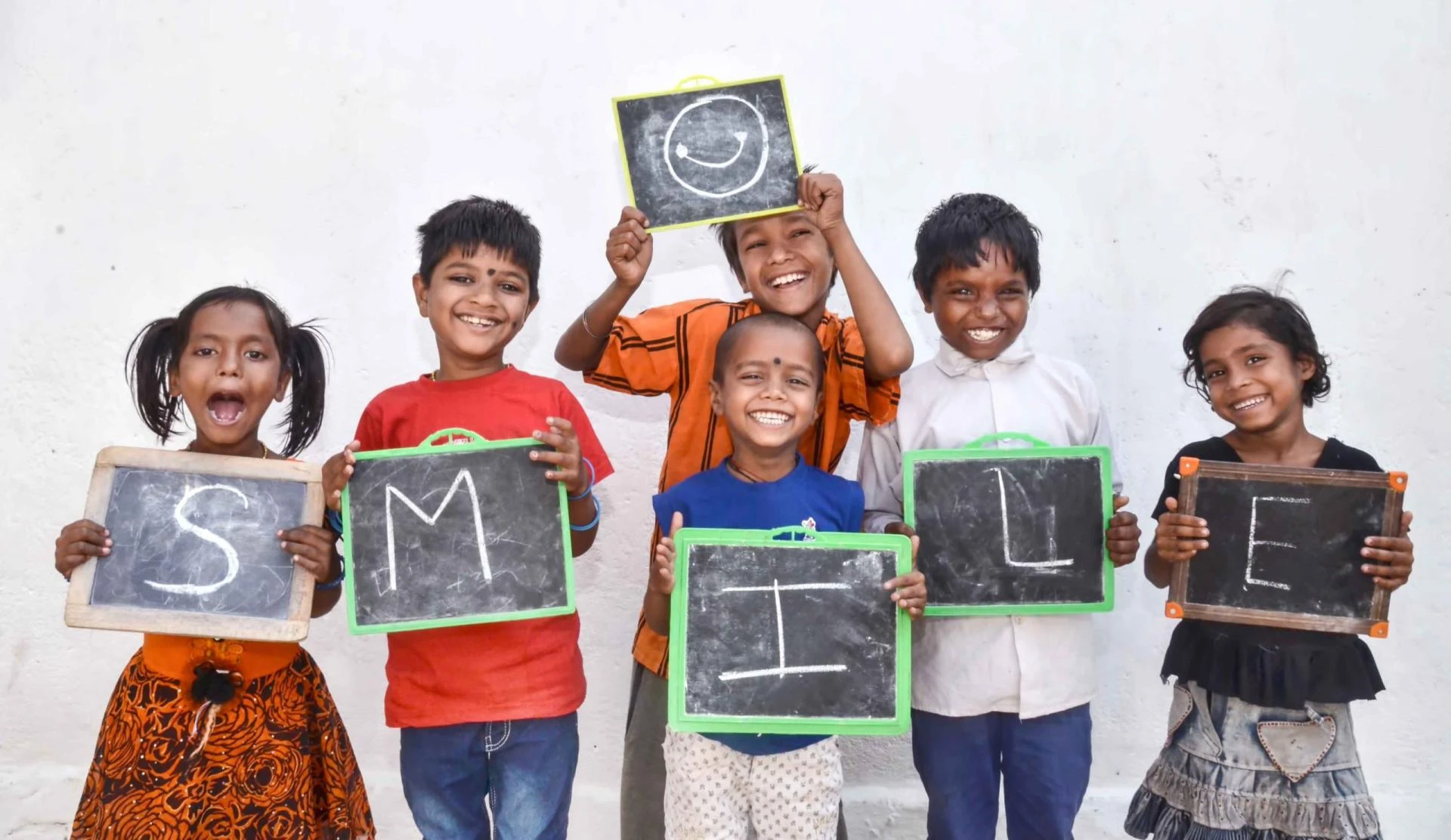

Delhi is home to hundreds of non-governmental organizations working across causes ranging from education and health to women's empowerment and child welfare. With so many options, finding the right NGO to support, volunteer with, or partner for CSR can feel genuinely overwhelming. This guide is for anyone who wants to make a purposeful choice and understand what separates a truly impactful NGO from one that simply exists on paper.
What Makes an NGO Trustworthy and Effective
Before you shortlist any organization, it helps to understand what credibility actually looks like in the NGO sector. A lot of organizations use the right language and present compelling visuals, but the real markers of a trustworthy NGO go deeper than that.
A credible NGO will have valid legal registrations, including registration under the Societies Registration Act or as a Section 8 company, along with 80G and 12A certifications from the Income Tax Department. These are not just formalities. They indicate that the organization operates within a regulated framework and that your donations qualify for tax benefits.
Beyond paperwork, look at how long the organization has been operating. Longevity in the development sector is meaningful. NGOs that have survived and grown over a decade or more have typically done so because their work delivers real results and communities trust them. Short-lived organizations with flashy campaigns but no track record deserve more scrutiny.
Finally, look at accountability. Does the NGO publish annual reports? Does it share audited financial statements? Does it communicate impact through verified data rather than vague feel-good statements? These are the questions worth asking before you commit your time or money.
Focus Areas That Matter Most in Delhi
Delhi presents a unique combination of urban poverty, migrant communities, and stark inequality sitting alongside significant wealth. The most effective NGOs working in Delhi tend to focus on causes that directly address these contrasts.
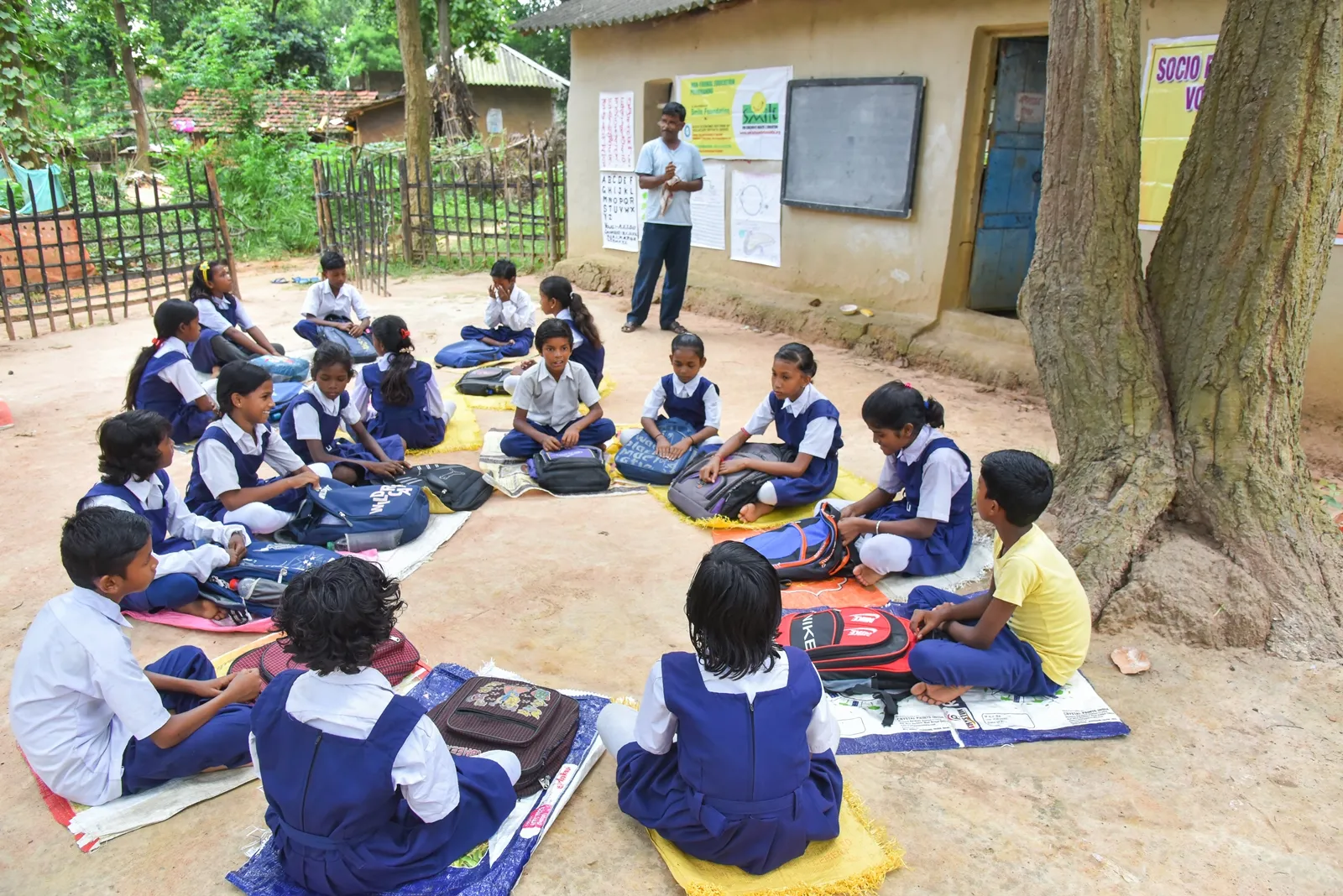
Education remains one of the most critical areas. Children in resettlement colonies, urban slums, and migrant worker communities often lack access to quality schooling. NGOs running learning centers, remedial programs, and scholarship initiatives fill a gap that neither government schools nor private institutions adequately address.
Healthcare access is another pressing need, particularly for communities without health insurance or the means to visit private hospitals. NGOs offering mobile health units, free diagnostics, and maternal care programs serve populations that would otherwise fall through every safety net.
Livelihood programs for women and youth are also gaining momentum. Skill training, microfinance support, and employment linkage programs give individuals the tools to build financial independence rather than remaining dependent on temporary relief.
The best NGO in Delhi tend to work across at least two or three of these areas in an integrated way, recognizing that poverty is not a single problem with a single solution.
How NGOs in Delhi Are Measured for Impact
Impact measurement is where a lot of NGOs struggle, and it is also where donors and partners can separate serious organizations from superficial ones. When evaluating an NGO's impact, ask for specific numbers.
How many beneficiaries were reached last year? What percentage of children enrolled in their education programs completed the academic year? What was the change in income for women who went through their livelihood training? These are outcome metrics, not just activity metrics. Any organization worth your support should be able to answer them without hesitation.
Third-party evaluations add another layer of credibility. NGOs that commission independent audits of their programs, whether by academic institutions, government agencies, or evaluation firms, demonstrate a willingness to be held accountable beyond their own reporting.
Donor recognition and government partnerships also signal credibility. When reputable companies fund an NGO through their CSR mandates, or when state and central government agencies collaborate with an organization, it is usually because due diligence has already been done.
Smile Foundation and Its Work in Delhi
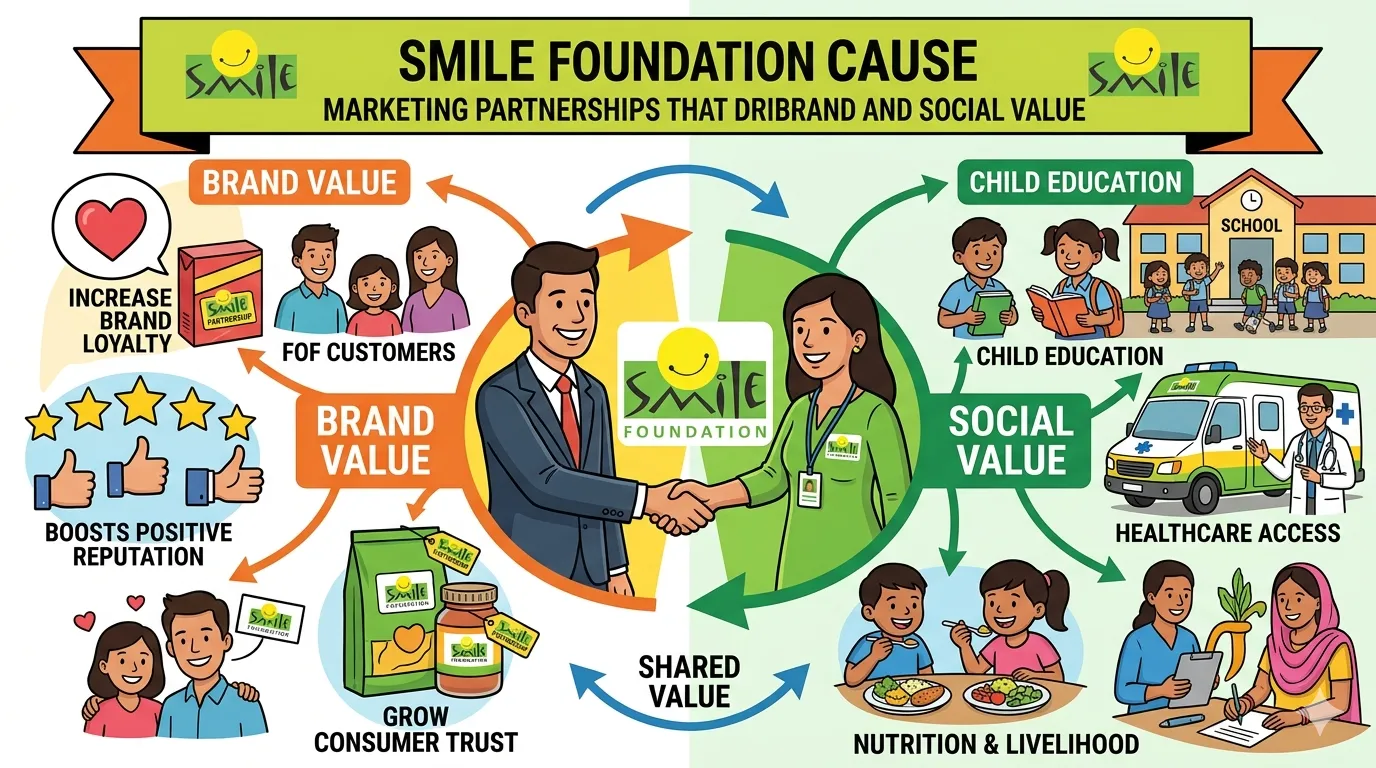
Among the organizations working across Delhi and the broader National Capital Region, Smile Foundation has built a visible and documented presence over more than two decades. Its programs span education, healthcare, and women's empowerment, with a particular focus on children and families from underserved communities. The organization works across multiple Indian states and has a strong on-ground implementation model backed by verifiable impact data and compliance with all major regulatory requirements.
For donors, corporate CSR partners, and volunteers looking for an established organization with a clear track record, it represents the kind of transparent, mission-driven work that makes choosing easier.
Volunteering With an NGO in Delhi: What to Expect
If donating money is not your primary interest and you want to give your time instead, Delhi's NGO ecosystem offers a wide range of volunteering opportunities. Teaching and tutoring are the most common, particularly in education-focused organizations running after-school programs or learning centers.
Skilled volunteers are increasingly in demand too. If you have a background in healthcare, law, finance, communications, or technology, many NGOs will welcome you in a capacity that uses your professional skills directly. This kind of pro bono support can be as valuable as financial contributions, sometimes more so.
Before you commit to volunteering, visit the NGO in person if possible. Attend an orientation, meet the field team, and understand the communities they serve. Volunteering works best when both sides, the organization and the volunteer, are genuinely aligned on what the engagement looks like.
Frequently Asked Questions About NGOs in Delhi
How do I verify if an NGO in Delhi is legitimate?
Start with the basics. Check whether the organization is registered under the Societies Registration Act or as a Section 8 company. Verify its 80G and 12A certifications on the Income Tax India portal. For organizations receiving foreign funding, FCRA registration can be checked through the Ministry of Home Affairs database. Annual reports and audited financial statements should be publicly available or shared on request.
Can I get a tax benefit for donating to an NGO in Delhi?
Yes, donations to NGOs holding a valid 80G certification are eligible for tax deductions under the Income Tax Act. The percentage of deduction varies depending on the type of organization and whether it falls under the 50 percent or 100 percent deduction category. Always collect an official receipt and confirm the organization's 80G status before donating.
What is the difference between an NGO and a charitable trust in India?
Both are non-profit entities, but they are registered under different legal frameworks. NGOs in India are typically registered as societies under the Societies Registration Act or as Section 8 companies under the Companies Act. Charitable trusts are registered under the Indian Trusts Act or relevant state trust acts. For practical purposes, both can receive donations and run charitable programs. The legal structure largely affects governance and how they are regulated.
How do I know if an NGO is actually using my donation effectively?
Ask for fund utilization reports and compare program expenditure against administrative costs. A healthy ratio typically sees at least 70 to 80 percent of funds going toward program implementation. Look for third-party evaluations, field visit opportunities, and direct testimonials from beneficiaries. Transparency in communication is one of the strongest signals of an organization that takes accountability seriously.
Is it better to donate to a large national NGO or a smaller local one in Delhi?
Both have genuine strengths. Large national organizations often have stronger compliance frameworks, broader reach, and more structured reporting. Smaller local organizations may have deeper community relationships and more targeted impact in specific geographies. The best choice depends on what matters most to you, whether that is scale, depth of impact, or geographic focus.
What to Do If You Want to Support a Cause But Do Not Know Where to Start
If you are new to the idea of supporting NGOs and feel unsure about the process, that is completely normal. Start by identifying the cause that matters most to you personally. Is it children's education? Women's safety? Healthcare for underserved communities? Starting from a cause rather than an organization makes the search more focused and the decision more meaningful.
Once you have a cause in mind, shortlist two or three organizations working in that space in Delhi. Request their annual reports and compliance documents. If possible, visit their programs or attend a community event they organize. Speak to their team and ask how they measure success.
You do not have to make a large financial commitment to begin. A modest recurring donation or a few hours of volunteering can be the start of a long and genuinely rewarding relationship with an organization whose work you believe in.
Take the Step That Feels Right for You
Delhi has no shortage of causes that need attention and organizations working hard to address them. What it does need is more people who are willing to look beyond the noise, do a little due diligence, and show up consistently, whether through donations, volunteering, or corporate partnerships.
If you have read this far, you clearly care about finding something real. Trust that instinct. Research your shortlist, ask the right questions, and make a choice you can stand behind. The communities being served by Delhi's best NGOs are counting on people like you to keep showing up.
Start today. Even a small step in the right direction is still a step forward.



























Sign in to leave a comment.