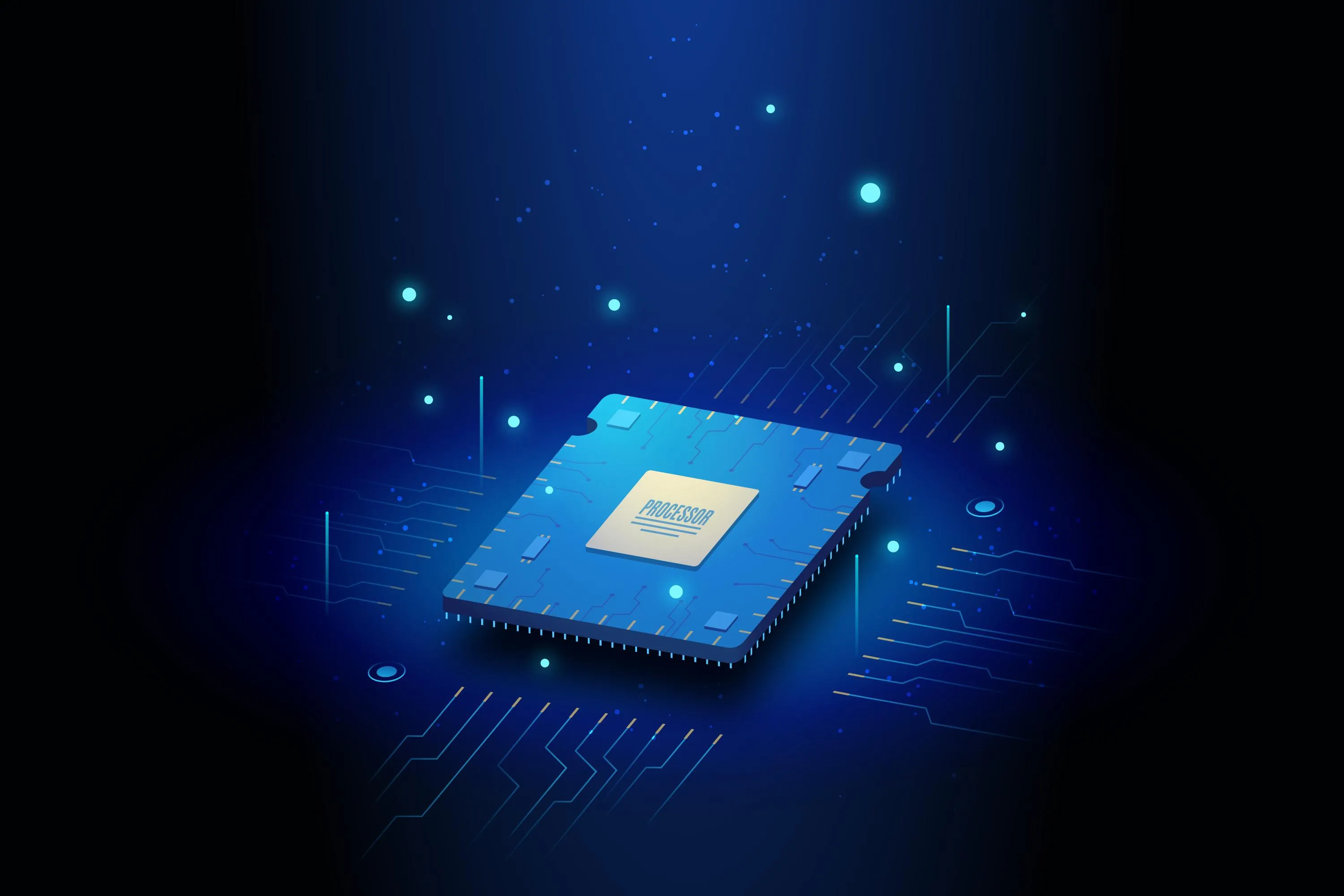

Technology is evolving rapidly, and smart devices have become a part of everyday life. From home appliances and medical equipment to automotive systems and industrial machines, modern products rely on intelligent systems to operate efficiently. At the heart of these systems is embedded software, a specialized type of software designed to control hardware functions and improve device performance.
Embedded software plays a critical role in enhancing device functionality, enabling automation, and ensuring smooth control of electronic systems. As businesses continue to develop smarter products, the demand for advanced embedded software solutions keeps growing.
What Is Embedded Software?
Embedded software is software programmed into hardware devices to perform specific functions. Unlike general-purpose software used on computers or smartphones, embedded software is built to run dedicated tasks within a device.
It works behind the scenes to manage sensors, processors, displays, communication modules, motors, and other hardware components. This allows devices to respond quickly, operate reliably, and deliver a seamless user experience.
Common examples of embedded software can be found in:
- Smart TVs
- Washing machines
- Medical monitors
- Automotive control systems
- Industrial automation equipment
- Security systems
- IoT devices
- Consumer electronics
Why Embedded Software Matters in Modern Devices
Without embedded software, many electronic products would lack intelligence, automation, and precision control. It acts as the bridge between hardware components and user commands.
Strong embedded software development helps manufacturers improve product quality, support innovation, and meet customer expectations for faster and smarter devices.
How Embedded Software Enhances Device Functionality
Embedded software adds advanced capabilities that improve how devices operate and interact with users.
1. Automates Device Operations
Embedded software allows devices to perform tasks automatically based on pre-programmed instructions or sensor inputs.
Examples include:
- Smart thermostats adjusting room temperature
- Automatic washing machine cycles
- Security cameras detecting motion
- Vehicles managing engine performance
Automation improves convenience, efficiency, and consistency.
2. Improves Performance and Speed
Devices need fast response times to function properly. Embedded software processes commands quickly, helping systems operate smoothly.
For example:
- Instant touchscreen responses
- Real-time braking systems in vehicles
- Quick data reading in medical devices
Fast and accurate control improves overall user satisfaction.
3. Enables Smart Connectivity
Many modern devices connect to networks, mobile apps, or cloud platforms. Embedded software manages these communication functions.
This supports features such as:
- Remote device control
- Real-time monitoring
- Software updates
- Smart home integration
- Data sharing across systems
Connectivity makes products more valuable and user-friendly.
4. Supports Energy Efficiency
Efficient devices are in high demand. Embedded software can optimize power usage by controlling sleep modes, active functions, and resource allocation.
This is especially useful in:
- Battery-powered devices
- Wearables
- IoT sensors
- Portable electronics
Better power management extends battery life and reduces energy costs.
How Embedded Software Improves Device Control
Precise control is essential for devices that manage sensitive or critical operations.
1. Real-Time Decision Making
Embedded systems can process data instantly and react immediately.
Examples include:
- Airbag deployment systems
- Industrial robotics
- Medical monitoring alerts
- Smart traffic systems
Real-time performance ensures safety and reliability.
2. Accurate Hardware Management
Embedded software controls motors, displays, sensors, and processors with precision. This helps devices perform consistently under different conditions.
3. User-Friendly Interfaces
Many devices depend on embedded software to power screens, buttons, voice controls, and app interactions.
This creates a smooth and intuitive experience for users.
Industries That Depend on Embedded Software
Many industries rely on embedded systems to improve products and operations, including:
- Automotive
- Healthcare
- Consumer electronics
- Manufacturing
- Telecommunications
- Aerospace
- Energy and utilities
- Smart home technology
As these sectors grow, embedded software becomes even more important.
Why Businesses Need Expert Embedded Software Development
Creating reliable embedded systems requires technical expertise, testing, and hardware-software integration. Businesses often work with experienced engineering partners to reduce risks and speed up development.
Companies like Fidus help organizations build advanced embedded software solutions that improve product functionality, control, and market readiness.
Benefits of Investing in Embedded Software
Businesses that invest in quality embedded software can achieve:
- Better product performance
- Faster innovation cycles
- Improved customer satisfaction
- Lower maintenance issues
- Stronger competitive advantage
- Smarter connected devices
- Long-term scalability
Final Thoughts
Embedded software is the intelligence behind modern electronic devices. It enhances functionality, improves control, and enables the smart experiences users expect today.
From automation and connectivity to speed and reliability, embedded software is essential for businesses creating next-generation products. By investing in expert development and smart system design, companies can build innovative devices that perform better, last longer, and succeed in competitive markets.























Sign in to leave a comment.