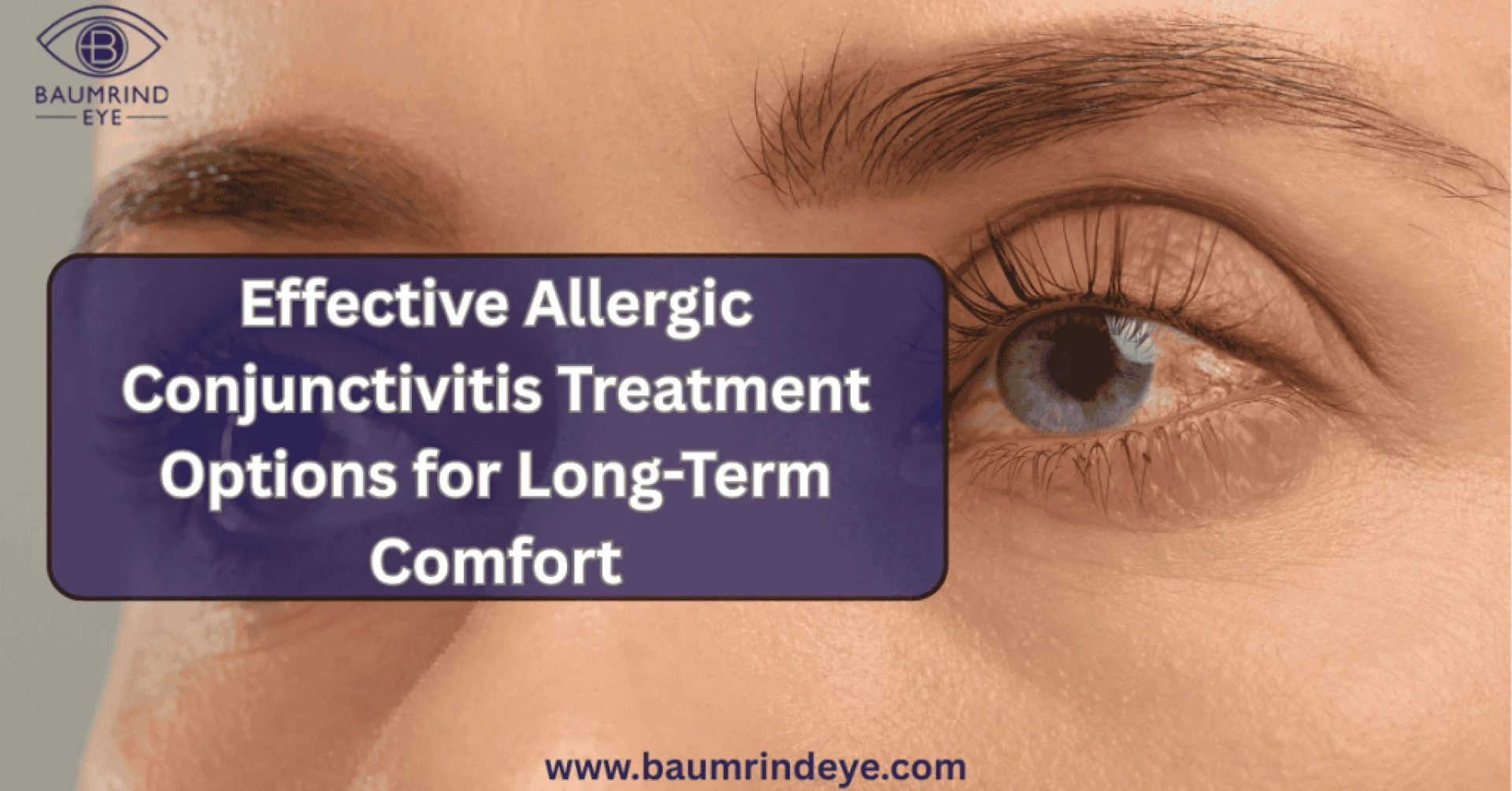

Conjunctivitis, commonly referred to as “pink eye,” is a frequent cause of eye redness, irritation, and discharge. However, not all conjunctivitis cases are the same. Identifying whether symptoms are caused by allergic conjunctivitis or infectious conjunctivitis is essential for proper treatment and recovery.
Because these conditions require different management strategies, an accurate diagnosis by an experienced eye doctor is critical.
What Is Conjunctivitis?
Conjunctivitis occurs when the conjunctiva — the clear tissue covering the white part of the eye — becomes inflamed. This inflammation may result from allergens, bacteria, viruses, or environmental irritants.
The two most common types include:
- Allergic conjunctivitis – triggered by environmental allergens
- Infectious conjunctivitis – caused by viral or bacterial infection
While symptoms may overlap, subtle differences help guide diagnosis and treatment.
Signs of Allergic Conjunctivitis
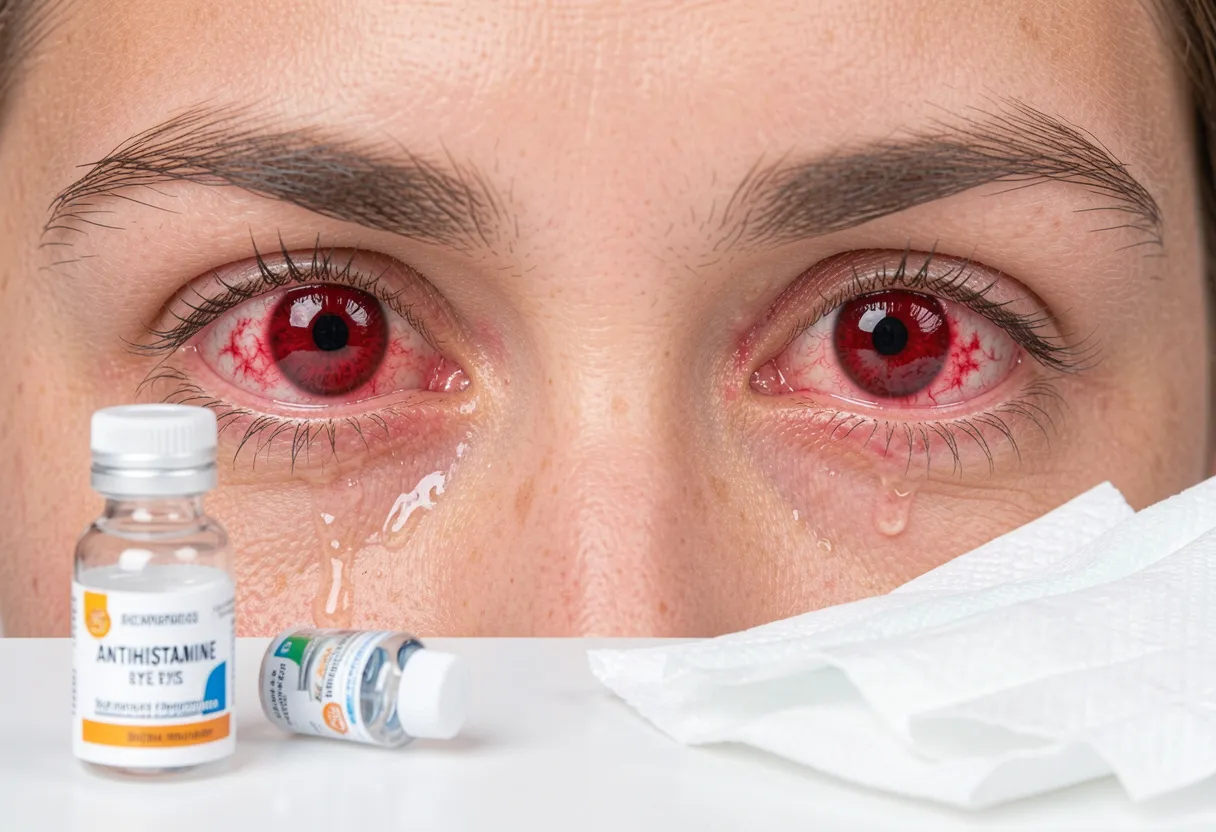
Allergic conjunctivitis develops when the immune system reacts to allergens such as pollen, pet dander, dust, or mold spores. It often affects both eyes simultaneously.
Typical symptoms include:
- Intense eye itching
- Watery or clear discharge
- Redness in both eyes
- Puffy or swollen eyelids
- Burning sensation
This condition is not contagious and frequently occurs during allergy seasons or after allergen exposure.
Signs of Infectious Conjunctivitis
Infectious conjunctivitis can be viral or bacterial and is usually contagious.
Viral Conjunctivitis
- Watery discharge
- Redness that may begin in one eye
- Light sensitivity
- Recent cold or respiratory infection
Bacterial Conjunctivitis
- Thick yellow or green discharge
- Eyelid crusting, especially upon waking
- Eye irritation and swelling
- Possible spread from one eye to the other
Prompt evaluation helps prevent transmission and complications.
How an Eye Doctor Determines the Cause
A comprehensive eye examination is the most reliable way to differentiate allergic from infectious conjunctivitis. During the visit, an eye doctor may:
- Assess symptom history and onset
- Evaluate discharge type and consistency
- Examine the conjunctiva using specialized magnification
- Check for associated allergy or infection signs
In some cases, additional testing may be recommended to confirm the diagnosis.
Treatment Based on Diagnosis
Managing Allergic Conjunctivitis
Treatment focuses on reducing inflammation and controlling allergic reactions through:
- Antihistamine or anti-inflammatory eye drops
- Artificial tears for comfort
- Allergen avoidance strategies
- Cold compress therapy
Managing Infectious Conjunctivitis
Treatment varies depending on whether the infection is viral or bacterial:
- Antibiotic eye drops for bacterial cases
- Supportive care for viral infections
- Strict hygiene to prevent spread
- Temporary discontinuation of contact lenses
Using the wrong medication can delay healing, which is why professional diagnosis is essential.
When to Schedule an Eye Exam
Seek immediate medical attention if you experience:
- Severe eye pain
- Sudden vision changes
- Significant swelling
- Persistent symptoms
- Sensitivity to light
Early diagnosis ensures faster recovery and reduces the risk of complications.
Expert Evaluation for Red Eye Symptoms
Red or irritated eyes should never be ignored. Whether symptoms stem from allergies or infection, a comprehensive eye exam provides clarity and effective treatment.
Learn more about allergic and infectious conjunctivitis here at Ben Baumrind Eye.























Sign in to leave a comment.