
A low hum at highway speed often feels harmless at first. Many drivers assume it is road noise or aging tires. In reality, that sound is usually an early warning from a failing wheel hub. Modern wheel hubs rarely fail suddenly. They communicate problems long before a breakdown happens. Ignoring those signals can turn a simple repair into a complex safety issue.
Why Wheel Hub Noise Starts Early
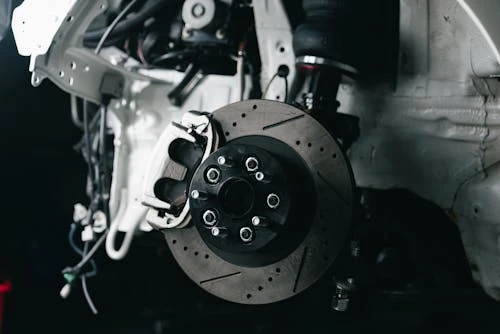
Wheel hubs today combine bearings, seals, and sensors into one unit. As miles accumulate, lubrication breaks down and heat builds up inside the hub. Metal surfaces begin to wear unevenly. That wear creates friction, and friction creates sound. The noise usually starts quietly and grows with speed.
Common early sounds include:
- A steady humming that increases above 40 mph
- A growling noise that changes during lane changes
- A low drone that disappears on smooth roads
According to the National Highway Traffic Safety Administration, bearing-related failures are a contributing factor in thousands of roadside incidents each year. Early detection through automotive diagnostics reduces breakdown risks significantly.
How Noise Changes With Speed and Load
Wheel hub noise behaves differently from tire noise. That difference helps trained technicians identify the source. When the vehicle shifts weight during a turn, the sound often changes. Turning left may make the noise louder. Turning right may make it fade.
This happens because the load transfers to the damaged bearing. Tires rarely behave this way. That is why proper automotive diagnostics matter. Guesswork often leads to unnecessary tire replacement services. Accurate testing protects both safety and budget.
Vibration Is Another Early Warning
Sound is not the only signal. Failing wheel hubs often create subtle vibrations. Drivers feel it through the steering wheel or seat. At first, it feels like rough pavement. Over time, it becomes constant.
These vibrations come from uneven bearing surfaces. They worsen as the heat increases. In some vehicles, vibration also confuses electronic stability systems. That can trigger warning lights without an obvious reason. A trusted local garage can identify these issues early.
The Hidden Risk to ABS and Speed Sensors
Modern wheel hubs house critical sensors. These sensors monitor wheel speed for ABS and traction control. As the bearing degrades, sensor readings become inconsistent. Warning lights may flicker or stay on.
If the hub fails, sensors can be damaged. Replacing sensors adds cost and complexity. Several studies report that unresolved wheel bearing issues often lead to secondary electronic faults. Early repair avoids that chain reaction. That is why proactive car maintenance matters.

Why Delaying Repair Raises Safety Concerns
Some drivers tolerate noise for months. They assume it is only an annoyance. That assumption can be risky. As wear progresses, heat increases rapidly. Extreme heat can seize the bearing.
In rare cases, wheel lockup occurs. Loss of control becomes possible at speed. That risk increases on long drives and hot days. Affordable auto repair completed early prevents these scenarios. Waiting rarely saves money.
How Professionals Diagnose Wheel Hub Issues
A reliable shop does more than listen for noise. They lift the vehicle and check wheel play. They rotate each wheel by hand. They use chassis ears and scan tools when needed.
A proper diagnosis includes:
- Road testing at different speeds
- Load testing during turns
- Visual inspection for seal damage
- Electronic checks for sensor irregularities
This approach ensures the correct hub is replaced. Accurate automotive diagnostics reduce repeat repairs. That level of care defines reliable automotive services.
Why Replacement Timing Matters
Replacing a hub early protects other components. Tires wear evenly again. Suspension parts avoid unnecessary stress. Sensors remain intact.
Delaying replacement allows damage to spread. It can affect axles, brakes, and electronic systems. According to industry service data, early bearing replacement costs significantly less than repairs following failure. Preventive action supports long-term vehicle reliability. That is smart auto ownership.
Choosing the Right Repair Partner
Not every shop handles hub diagnostics the same way. Experience matters with modern integrated assemblies. A knowledgeable local garage understands sensor systems and torque specifications. They follow manufacturer procedures precisely.
Quality parts and correct installation prevent repeat noise. That attention to detail separates short-term fixes from lasting solutions. Reliable automotive services focus on safety, not shortcuts.
When to Schedule an Inspection
Drivers should schedule an inspection if they notice:
- New humming or growling noises
- A vibration that changes with speed
- ABS or traction control warnings
- Uneven tire wear with no clear cause
Early evaluation protects both the vehicle and the passengers. Affordable auto repair is most effective before failure progresses. Listening to the vehicle often prevents roadside emergencies.
When unexplained noise or vibration appears, professional insight matters. Platinum Wrench Auto Repair offers thorough automotive diagnostics backed by experience and precision. Their team focuses on accurate identification, not unnecessary replacements. By addressing wheel hub concerns early, they help drivers avoid costly secondary damage.
For those seeking reliable automotive services from a trusted local garage in Pinellas Park, Platinum Wrench Auto Repair provides clear answers and dependable solutions. Scheduling an inspection now supports safer driving and smarter car maintenance decisions.





























Sign in to leave a comment.