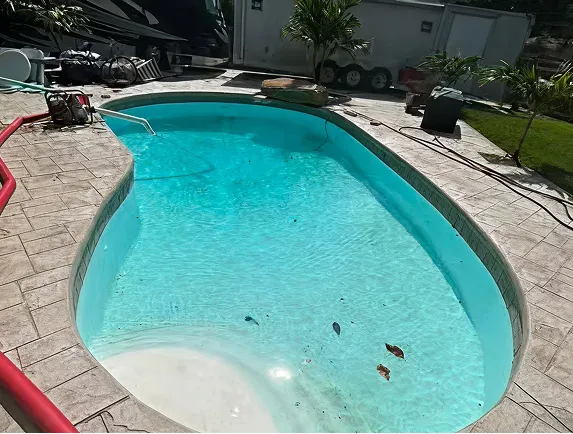

A swimming pool is more than just a luxury feature. It is a space where families relax, entertain guests, and create lasting memories. Over time, even the most durable pools begin to show signs of aging. If your pool surface looks dull, rough, or damaged, it may be time to consider fiberglass pool resurfacing. This process not only improves the appearance of your pool but also extends its lifespan and enhances safety.
When homeowners look for long-term solutions, they often choose professional fiberglass pool resurfacing to restore their pool to like-new condition. This service ensures that cracks, fading, and surface damage are properly fixed using advanced materials and techniques, giving your pool a smooth and attractive finish.
What is Fiberglass Pool Resurfacing
Fiberglass pool resurfacing is the process of repairing and renewing the top gelcoat layer of a fiberglass pool. Over time, this layer can wear out due to constant exposure to sunlight, chemicals, and environmental factors. Resurfacing involves removing the old, damaged surface and applying a new protective coating.
This process helps restore the pool’s structure and improves its overall appearance. It also creates a smooth and comfortable surface for swimmers.
Why Fiberglass Pools Need Resurfacing
Fiberglass pools are known for their durability, but they are not completely maintenance-free. Over the years, several issues can develop:
- Surface fading and discoloration
- Cracks or chips in the gelcoat
- Rough texture causing discomfort
- Stains from chemicals or algae buildup
Exposure to UV rays and pool chemicals can weaken the surface and cause it to lose its shine.
Resurfacing becomes necessary to prevent further damage and maintain the pool’s functionality.
Signs Your Pool Needs Resurfacing
Many pool owners ignore early warning signs, which can lead to expensive repairs later. Here are some clear indicators that your pool needs resurfacing:
- Visible cracks or blisters
- Chalky or faded appearance
- Rough surface that irritates skin
- Frequent water leaks
- Stubborn stains that do not clean easily
If you notice any of these problems, taking action early can save time and money.
The Fiberglass Pool Resurfacing Process
Resurfacing a fiberglass pool involves several steps. It is a technical process that requires proper tools and expertise.
1. Draining the Pool
The pool is completely drained to expose the surface.
2. Surface Preparation
Old coatings are removed using methods like sandblasting or grinding to create a clean base.
3. Repairing Damage
Cracks, chips, and weak areas are repaired to ensure a solid structure.
4. Applying New Coating
A new gelcoat or fiberglass layer is applied evenly across the pool surface.
5. Finishing and Curing
The surface is polished and allowed to cure before refilling the pool.
Because this process involves chemicals and precision work, it is always recommended to hire professionals.
Benefits of Fiberglass Pool Resurfacing
Resurfacing offers several advantages that make it a worthwhile investment:
Improved Appearance
A newly resurfaced pool looks clean, shiny, and modern. It can completely transform your outdoor space.
Increased Durability
Fiberglass coatings are strong and flexible, which helps them resist cracking and damage over time.
Better Comfort
A smooth surface ensures a more enjoyable swimming experience without irritation.
Cost Savings
Addressing issues early prevents major structural problems and reduces long-term repair costs.
Longer Lifespan
Resurfacing can extend the life of your pool by many years.
How Often Should You Resurface a Fiberglass Pool
Fiberglass pools do not need resurfacing as frequently as concrete pools. With proper maintenance, they can last for decades without major work. However, resurfacing may still be required after years of use or if the gelcoat becomes damaged.
Regular cleaning and balanced water chemistry can help delay the need for resurfacing.
DIY vs Professional Resurfacing
Some homeowners consider doing resurfacing themselves, but this is not recommended. Pool resurfacing requires specialized skills, tools, and materials. Even small mistakes can lead to leaks or uneven surfaces.
Hiring professionals ensures:
- Proper surface preparation
- High-quality materials
- Long-lasting results
- Safety during the process
This is why choosing experts for the job is always a smart decision.
Tips to Maintain Your Pool After Resurfacing
Once your pool is resurfaced, proper maintenance is essential to keep it in top condition:
- Maintain balanced water chemistry
- Clean the pool regularly
- Avoid using harsh chemicals
- Inspect the surface for early signs of damage
Taking care of your pool will help you get the most value from your resurfacing investment.
Conclusion
A well-maintained pool adds value to your property and enhances your outdoor lifestyle. Over time, wear and tear are natural, but they do not have to ruin your pool. With the right approach, fiberglass pool resurfacing can restore its beauty, strength, and comfort.
If your pool is showing signs of damage or aging, it is the perfect time to consider fiberglass pool restoration as a long-term solution. Choosing a trusted service provider like Sims Pool Upgrades LLC ensures quality work, professional results, and a pool that looks and feels brand new for years to come.























Sign in to leave a comment.